INTERNATIONAL — February 26, 2026
Afghan Embassies Closing in Japan, Australia and Canada Amid Legitimacy Vacuum
Several Afghan embassies, including those in Japan, Australia, and upcoming in Canada, are closing amid a post-2021 legitimacy vacuum and diplomatic isolation. The situation stems from lack of recognized government representation under international law, contrasting with prior historical precedents.
The Ehtebar Desk — originates with Hasht-e Subh — 2 min read
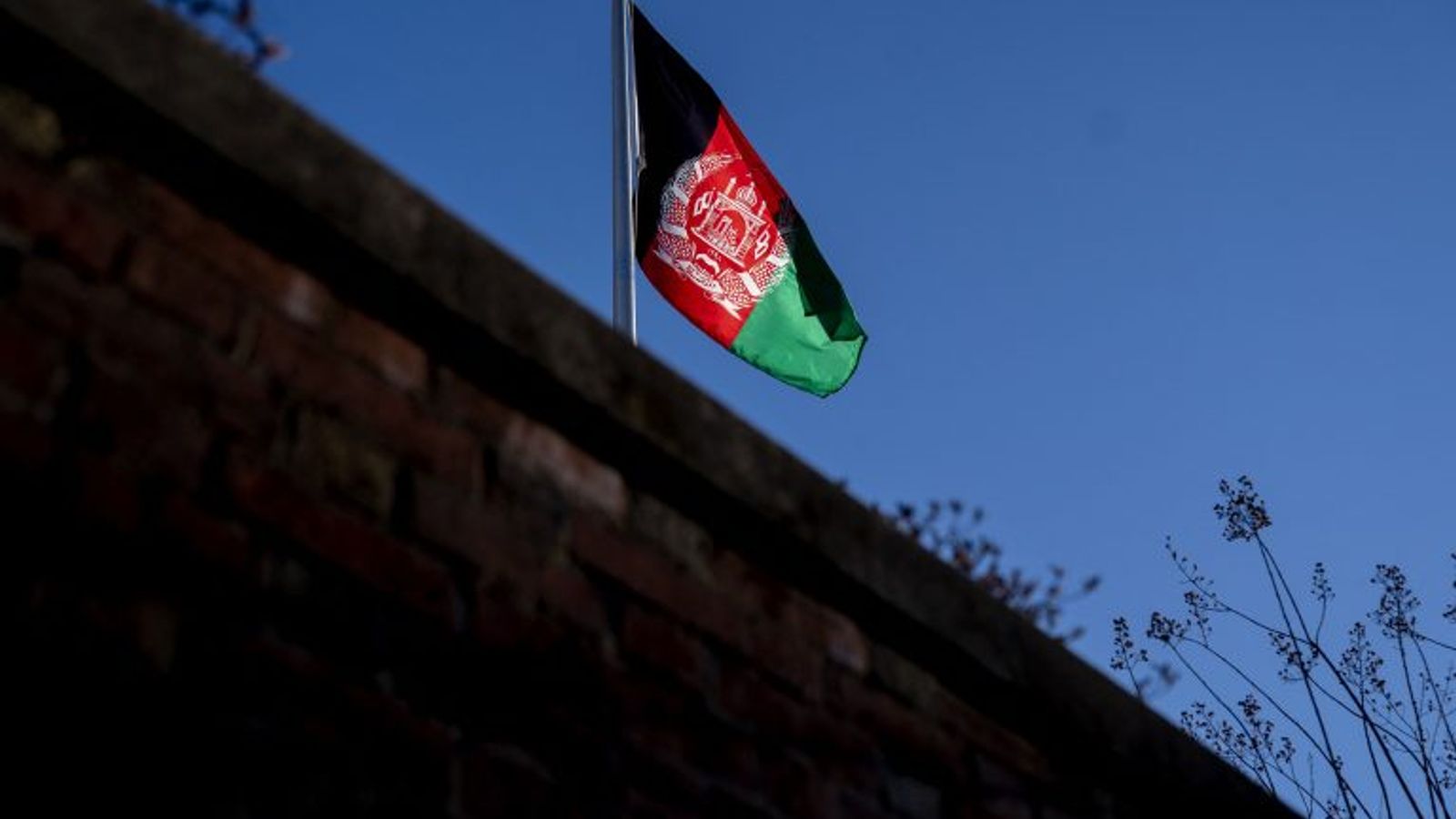
Following the fall of the Islamic Republic of Afghanistan in August 2021, the country's political and consular representations abroad have faced a lack of leadership and a legitimacy vacuum. A significant number of these missions now cooperate with the Taliban or have gradually closed. Recently, Japan closed Afghanistan's embassy on its soil. The Afghan embassy in Australia announced it will close by the end of June 2026 based on an agreement with the Australian government. Afghan embassies and consulates in Canada are also expected to close within the next few months. Previously, Britain and Norway had closed Afghan embassies in their countries, though Norway's reopened after some time with a Taliban representative.
This situation reflects a period of diplomatic rupture and isolation unprecedented in contemporary Afghan diplomatic history. According to international custom and the 1961 and 1963 Vienna Conventions on Diplomatic and Consular Relations, heads and staff of diplomatic and consular missions represent the sending state's government. The chain of representation involves the state, its government, and diplomats abroad.
Unconventional government changes, such as through war or coup, raise issues of recognizing the new government. Previous governments may continue as governments-in-exile, as in Yemen since 2015 and Myanmar since 2021. Other states decide recognition based on political interests, with the UN's nine-member Credentials Committee playing a key role.
Afghanistan has faced two such breaks: 1996-2000, when the Islamic State under Burhanuddin Rabbani retained UN and most diplomatic recognition despite Taliban control of Kabul; and since August 2021, with no alternative structure recognized as legitimate. Only Russia has recognized the Taliban. Many regional countries have handed representations to Taliban diplomats or required compliance from Republican-era diplomats. Western countries have not transferred representations but limited activities to consular services. Afghanistan's UN seat has been deferred for five years by the Credentials Committee and remains with a pre-2021 diplomat. The country lost its voting rights two years ago due to unpaid membership dues.
Read the original reporting at Hasht-e Subh →
Reliability assessment
Single source with concrete details on specific closures (Japan recent, Australia June 2026, Canada soon) but vague attribution ('according to information') and analytical nature; no named officials or direct confirmations.
The source language mixes facts with framing or advocacy wording. 'دوره غمانگیز گسست و انزوا' (tragic period of rupture and isolation) uses emotional 'ghamanngiz' (tragic/sorrowful); 'کشتی بیناخدای دیپلماسی' (rudderless ship of diplomacy) employs dramatic metaphor implying chaos and incompetence.
Across the newsrooms
Filed by
Hasht-e Subh
Originating
Filed under
International — Afghan diplomacy, embassies closure, Taliban, UN Credentials Committee, Vienna Conventions
Reader supported
Keep Ehtebar running
Every published story uses paid tools to translate reporting, compare sources, extract claims, and produce a clearer read on Afghanistan. Reader support helps keep that work independent.
€5
helps cover daily verification runs
€15
supports a week of source comparison
€50
keeps independent analysis moving