
SOCIETY — June 19, 2026
Afghan Journalists in Pakistan and Iran Face Unprecedented Legal and Psychological Challenges
Released on 29 Jawza ahead of World Refugee Day, the statement urges host countries and international bodies to ease visa extensions and deliver practical financial and professional support rather than limiting action to reports.
The Ehtebar Desk — originates with Afghanistan International — 2 min read
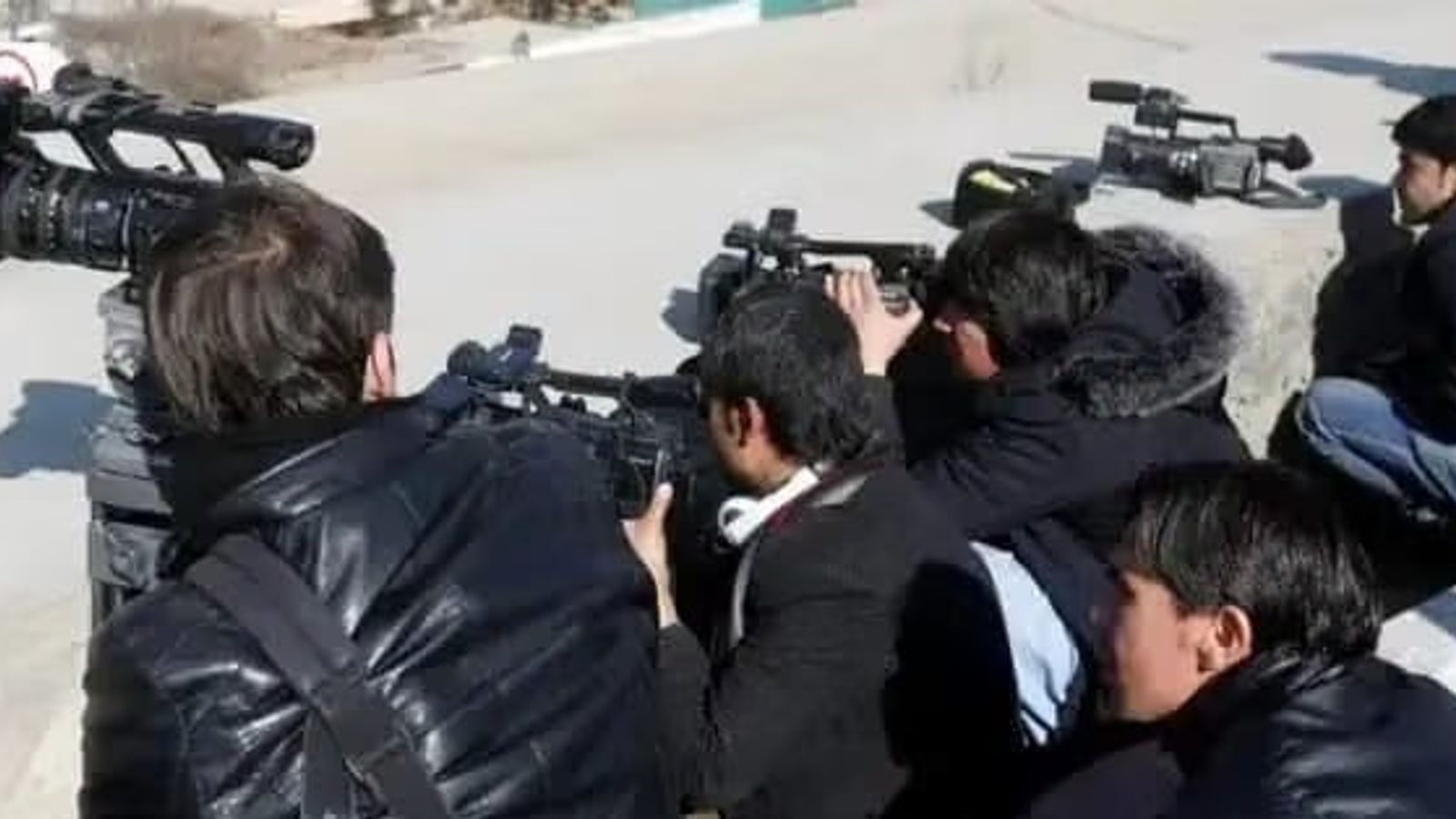
The Afghanistan Media Support Organization has issued a warning regarding the difficulties experienced by Afghan journalists who are currently based in Pakistan and Iran.
The organization released its statement on 29 Jawza, drawing attention to the problems these journalists encounter as World Refugee Day approaches.
Among the challenges listed are the expiration of their visas, the constant fear of being forcibly deported, the absence of rights to engage in work, and the lack of timely action by international institutions on their cases.
Amso views these circumstances as unprecedented in their legal and psychological impact.
The group believes that the ongoing issues represent a threat to independent media, which it considers one of the key achievements of Afghanistan over the course of the past two decades.
In response, Amso has called upon the countries hosting these journalists to adhere to international human rights standards.
This includes making it easier for journalists to extend their visas and ensuring that no forced deportations take place.
The organization has also urged international organizations to move past simply reporting on the situation.
Instead, it recommends they offer concrete forms of support such as financial aid and professional assistance.
Furthermore, Amso advocates for the transfer of these journalists to safer countries where they can continue their work without fear.
The statement concludes by describing the uncertain situation of Afghan journalists as a deep wound affecting the global struggle for freedom of expression.
Read the original reporting at Afghanistan International →
Reliability assessment
Single source provides direct, on-record attribution to Amso's official statement with specific, checkable details on dates, locations, challenges, and recommendations.
The source language mixes facts with framing or advocacy wording. Afghanistan International: "threat to one of the most important achievements of Afghanistan", "deep wound on the body of the global struggle for freedom of expression" — these phrases use strong metaphorical and alarmist language to frame the situation as an existential crisis rather than neutral reporting.
Across the newsrooms
Filed by
Afghanistan International
Originating
Framed
Framed
Filed under
Society — Afghanistan Media Support Organization, Afghan journalists, Pakistan, Iran, refugees
Reader supported
Keep Ehtebar running
Every published story uses paid tools to translate reporting, compare sources, extract claims, and produce a clearer read on Afghanistan. Reader support helps keep that work independent.
€5
helps cover daily verification runs
€15
supports a week of source comparison
€50
keeps independent analysis moving
More in Society
Health Officials and Experts Discuss Rise in Black Jaundice Cases in Afghanistan
— Reliable
Discussion on Agricultural Products and Health Services in Samangan Province
— Reliable
WHO Report Cites Taliban Restrictions and Funding Shortfalls as Threats to Health Services in Afghanistan
— Reliable
Afghan officials report returns of families from Pakistan and Iran alongside releases from Pakistani prisons
— Reliable