
ECONOMY — May 1, 2026
Afghan Workers Cite Economic Hardship and Safety Concerns on International Workers' Day
On International Workers’ Day, Afghan laborers report struggling with low daily wages, high unemployment, and unsafe working conditions, while the Ministry of Labor and Social Affairs emphasizes its commitment to international labor standards and ongoing training programs.
The Ehtebar Desk — originates with ToloNews — 2 min read
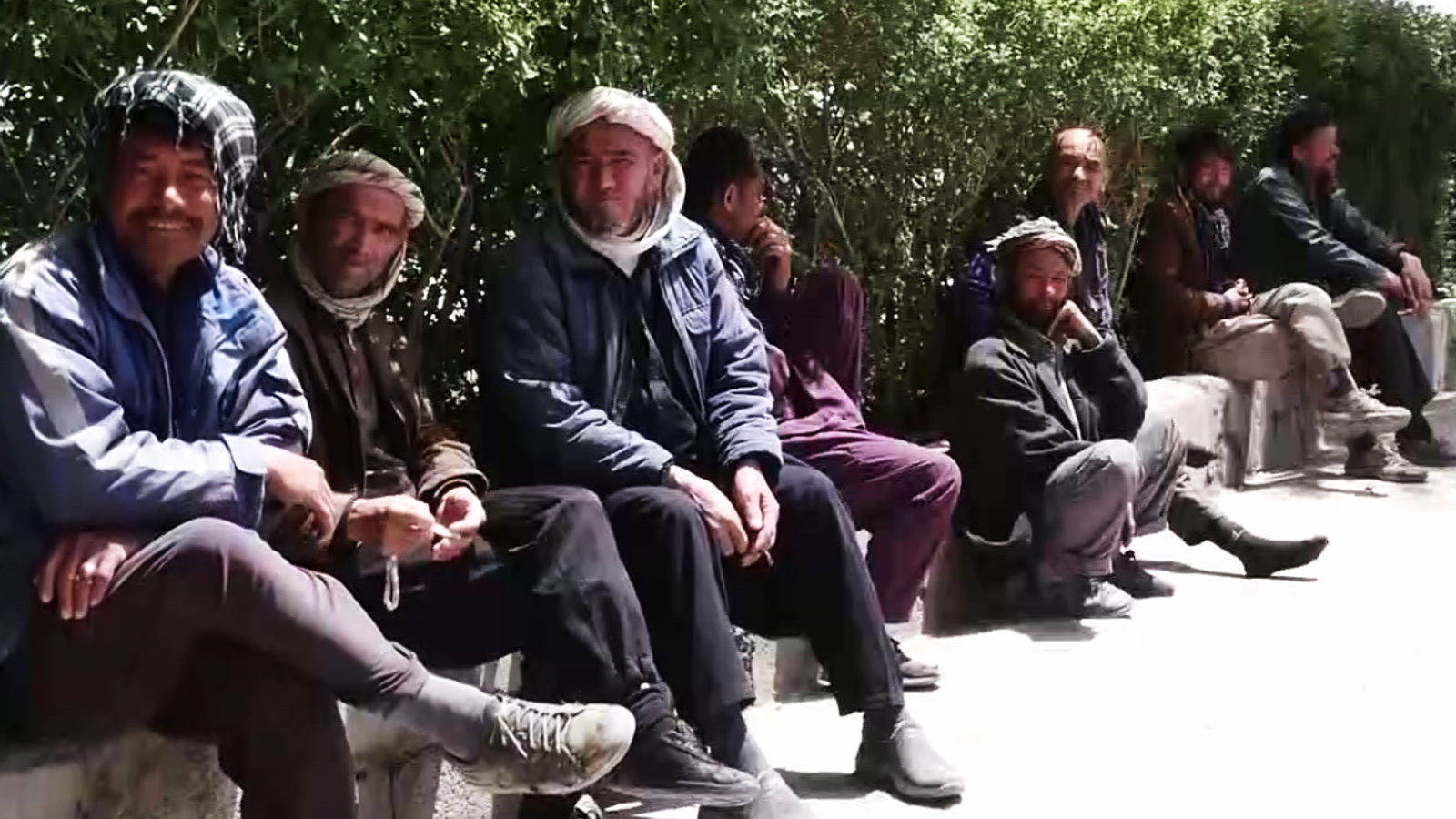
May 1 marks International Workers’ Day, a date recognized by the International Labour Organization to highlight labor conditions worldwide. In Afghanistan, daily wage earners report facing significant economic strain, citing low pay, high unemployment, and inadequate workplace protections.
Several laborers, including Nik Mohammad, Naser, and Ajmal, stated that daily earnings typically range between 300 and 350 Afghanis. They noted this amount falls short of covering essential household expenses, pointing out that a single sack of flour costs between 1,500 and 1,600 Afghanis. Beyond low wages, workers described widespread job scarcity, extended working hours, and a lack of safety enforcement. They alleged that employers frequently disregard occupational safety standards and refuse to assume responsibility for workplace injuries.
In response to these concerns, Samiullah Ebrahimi, spokesperson for the Ministry of Labor and Social Affairs, said the ministry is committed to upholding workers’ rights in accordance with international labor standards. He added that the government continues to implement vocational training initiatives and public awareness campaigns aimed at improving labor conditions and professional skills across the country.
The contrast between workers’ daily realities and official statements underscores the ongoing challenges facing Afghanistan’s labor force amid broader economic pressures. As International Workers’ Day passes, laborers continue to call for improved wage structures, job creation, and enforceable safety regulations to ensure sustainable livelihoods.
Read the original reporting at ToloNews →
Reliability assessment
Single-source report qualifies as reliable under verification guidelines due to direct, on-record attribution from named individuals (workers Nik Mohammad, Naser, Ajmal, and Ministry spokesperson Samiullah Ebrahimi) alongside concrete, checkable details (specific daily wages and commodity prices). The core claims are presented as verifiable statements ('X said Y'), meeting the standard for reliable attribution regardless of broader economic verification.
The source language reads straight.
Independent web corroboration
An independent web search turned up no separate corroborating reports. Treat the account as single-sourced until more outlets pick it up.
Across the newsrooms
Filed by
ToloNews
Originating
Reported straight
Reported straight
Filed under
Economy — International Workers' Day, Labor Rights, Ministry of Labor and Social Affairs, Wages, Afghan Economy
Reader supported
Keep Ehtebar running
Every published story uses paid tools to translate reporting, compare sources, extract claims, and produce a clearer read on Afghanistan. Reader support helps keep that work independent.
€5
helps cover daily verification runs
€15
supports a week of source comparison
€50
keeps independent analysis moving
More in Economy
Economic Commission Approves 37 Domestic Standards and 12 Testing Methods
— Reliable

Taliban Governor Says Around 700 Mines Under Extraction in Panjshir
— Reliable

Daily Production at Baghlan's Ghori Cement Factory Increases to 700 Tons
— Reliable

Two Irrigation and Flood-Prevention Projects Completed in Zabul
— Reliable