
ECONOMY — April 30, 2026
Russia to Remain in OPEC+ Following UAE Withdrawal, Officials Say
Russia confirmed it will remain in OPEC+ after the UAE announced its withdrawal, with officials warning the move could disrupt production coordination and increase market volatility. Moscow emphasized its commitment to stabilizing global oil markets and maintaining energy dialogue with Abu Dhabi.
The Ehtebar Desk — originates with Khaama Press — 2 min read
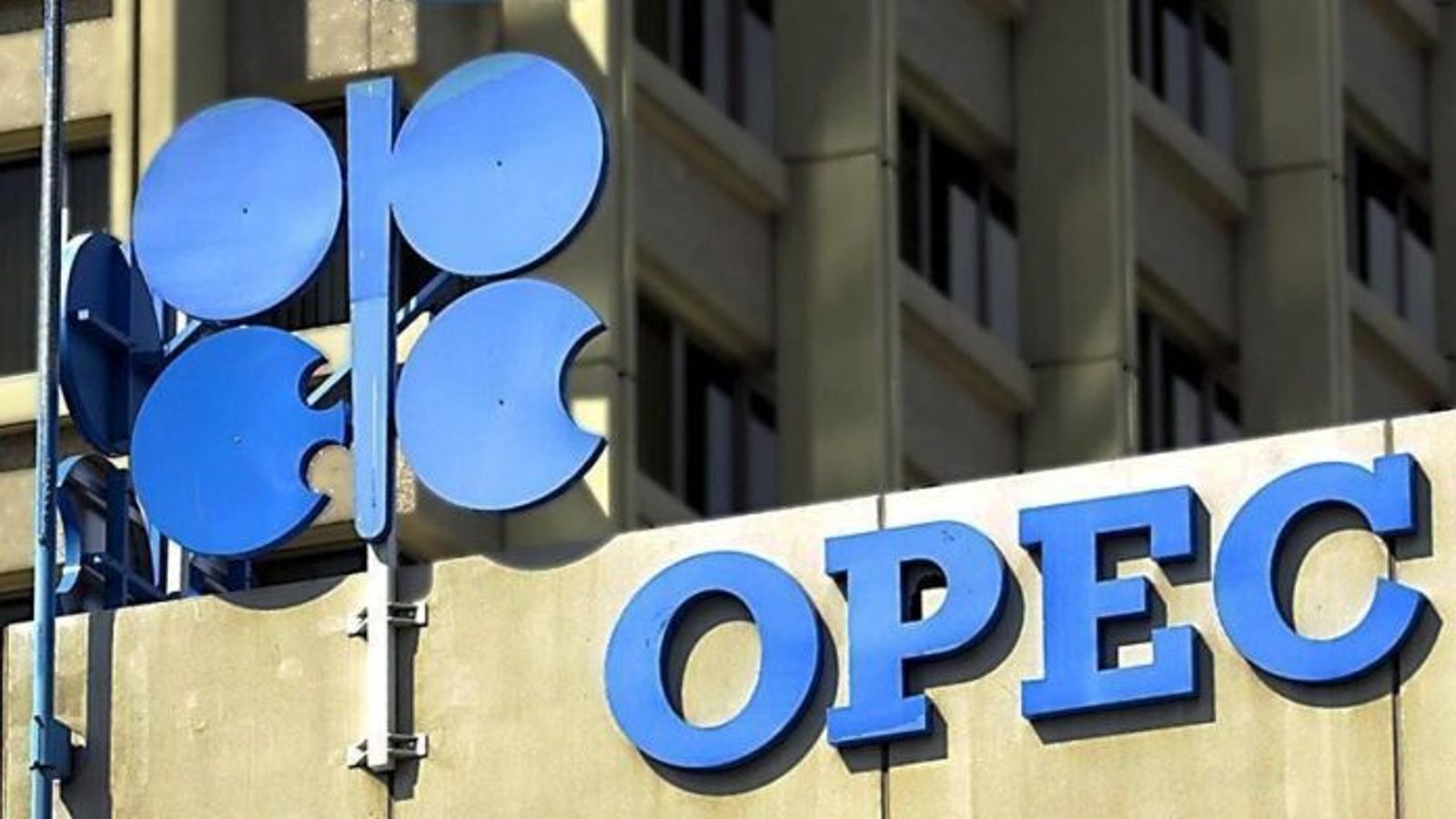
Russia has confirmed it will maintain its membership in the OPEC+ alliance following the United Arab Emirates’ recent announcement to withdraw from the group. Russian officials emphasized that the coalition remains essential for stabilizing global oil markets and expressed hope that bilateral energy cooperation with the UAE will continue despite the departure.
Kremlin spokesperson Dmitry Peskov stated that Moscow was not notified in advance of the UAE’s decision to leave the organization. Despite the lack of prior consultation, Peskov noted that Russia anticipates ongoing energy dialogue with Abu Dhabi and expects both nations to maintain constructive engagement on petroleum matters.
Finance Minister Anton Siluanov warned that the UAE’s exit could disrupt existing production coordination among member states. He cautioned that reduced cooperation might lead to unregulated output increases, which could place downward pressure on global oil prices. Siluanov highlighted the importance of maintaining disciplined production levels to prevent market volatility and ensure long-term stability for energy exporters.
The OPEC+ framework, which brings together members of the Organization of the Petroleum Exporting Countries and allied producers, has historically relied on coordinated output adjustments to balance supply and demand. Russian authorities reiterated their commitment to the alliance’s existing agreements and indicated that Moscow will continue participating in scheduled meetings and policy discussions. Officials also noted that while the UAE’s departure alters the group’s composition, it does not diminish Russia’s focus on collaborative market management.
Energy analysts have noted that shifts in membership can influence production quotas and pricing strategies, though the immediate impact on global supply remains under review. Russian representatives stressed that the country’s energy strategy will continue to prioritize market stability and sustained cooperation with international partners.
Read the original reporting at Khaama Press →
Reliability assessment
Single source provides direct, on-record attribution to named Russian officials (Kremlin spokesperson Dmitry Peskov and Finance Minister Anton Siluanov) regarding Russia's stance on OPEC+ and the UAE's withdrawal. Per verification guidelines, on-record statements by named public figures are concrete, attributable, and reliable regardless of topic sensitivity.
The source language reads straight.
Across the newsrooms
Filed by
Khaama Press
Originating
Reported straight
Reported straight
Filed under
Economy — OPEC+, Russia, UAE, Oil Markets, Global Energy
Reader supported
Keep Ehtebar running
Every published story uses paid tools to translate reporting, compare sources, extract claims, and produce a clearer read on Afghanistan. Reader support helps keep that work independent.
€5
helps cover daily verification runs
€15
supports a week of source comparison
€50
keeps independent analysis moving
More in Economy
Economic Commission Approves 37 Domestic Standards and 12 Testing Methods
— Reliable

Taliban Governor Says Around 700 Mines Under Extraction in Panjshir
— Reliable

Daily Production at Baghlan's Ghori Cement Factory Increases to 700 Tons
— Reliable

Two Irrigation and Flood-Prevention Projects Completed in Zabul
— Reliable