
ECONOMY — April 21, 2026
Afghanistan Secures Membership in International Industrial Exhibition Following Trilateral Trade Talks
Afghanistan has secured membership in the International Industrial Exhibition following trilateral trade talks with Uzbekistan and Kyrgyzstan. The meeting resulted in the establishment of a joint working group to streamline transit and boost Afghan exports to Central Asia.
The Ehtebar Desk — originates with Pajhwok — corroborated by Ariana News and Hurriyat — 2 min read
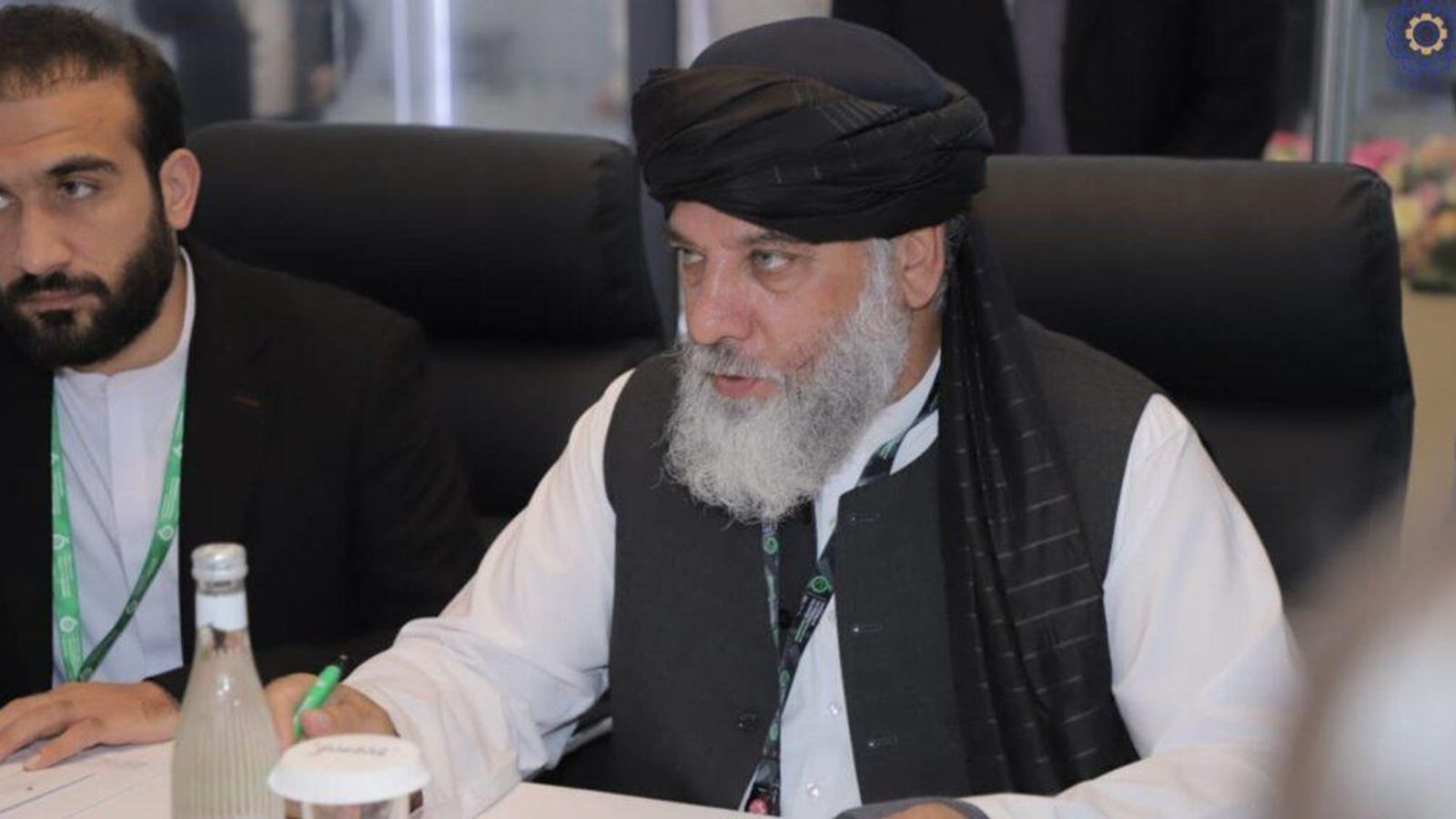
Trade and economy officials from Afghanistan, Uzbekistan, and Kyrgyzstan held a trilateral meeting on the sidelines of the International Industrial Exhibition to discuss regional transit and trade facilitation. According to a statement from the Afghan Ministry of Commerce and Industry, the discussions focused on streamlining procedures for Afghan exports to Central Asian markets and strengthening commercial ties between the three nations.
The meeting was attended by Nooruddin Azizi, representing Afghanistan, alongside Uzbek trade official Laziz Kudratov and Kyrgyz Deputy Trade Minister Askandar Isengeldiyevich Asylkulov. During the talks, the delegations reviewed existing transit routes and identified measures to reduce logistical barriers for Afghan industrial goods entering regional markets.
Officials confirmed that an agreement was reached to formalize Afghanistan’s membership in the International Industrial Exhibition. The arrangement will enable Afghan companies to participate in future editions of the event and showcase their products to international buyers. To ensure the implementation of these commitments, the three sides agreed to establish a joint working group tasked with overseeing transit coordination, trade facilitation, and export promotion.
The Ministry of Commerce and Industry stated that the joint working group will convene regularly to monitor progress and address operational challenges related to cross-border commerce. The agreement marks a step toward expanding Afghanistan’s economic engagement with neighboring transit corridors and integrating its industrial sector into broader regional trade networks.
Read the original reporting at Pajhwok →
Reliability assessment
The core event is corroborated by three independent outlets reporting on an official, on-record statement from the Afghan Ministry of Commerce and Industry. The trilateral meeting, exhibition membership, and establishment of a joint working group are directly attributed to government communications and named officials, with no substantive contradictions across sources.
The source language reads straight.
Across the newsrooms
Where reports agree
- Both sources confirm a trilateral meeting between Afghan, Uzbek, and Kyrgyz trade/economy officials.
- Both state the meeting occurred on the sidelines of the International Industrial Exhibition.
- Both report the agenda focused on trade/transit facilitation and Afghan exports.
- Both confirm an agreement was reached regarding Afghanistan's membership/participation in the exhibition.
- Both attribute the information to an official statement from the Afghan Ministry of Commerce and Industry.
Where reports differ
- No direct contradictions exist. Pajhwok provides additional details (named officials, joint working group, exhibition history) that Hurriyat omits, but these are complementary rather than conflicting.
Filed by 3 outlets
Pajhwok
Originating
Reported straight
Reported straight
Ariana News
Reported straight
Reported straight
Hurriyat
Reported straight
Reported straight
Filed under
Economy — Afghanistan, Uzbekistan, Kyrgyzstan, Ministry of Commerce and Industry, International Industrial Exhibition
Reader supported
Keep Ehtebar running
Every published story uses paid tools to translate reporting, compare sources, extract claims, and produce a clearer read on Afghanistan. Reader support helps keep that work independent.
€5
helps cover daily verification runs
€15
supports a week of source comparison
€50
keeps independent analysis moving
More in Economy
Economic Commission Approves 37 Domestic Standards and 12 Testing Methods
— Reliable

Taliban Governor Says Around 700 Mines Under Extraction in Panjshir
— Reliable
Daily Production at Baghlan's Ghori Cement Factory Increases to 700 Tons
— Reliable

Two Irrigation and Flood-Prevention Projects Completed in Zabul
— Reliable