
ECONOMY — April 13, 2026
Afghanistan's Agriculture Minister Meets Uzbek Delegation to Boost Cooperation
Afghanistan's Minister of Agriculture, Irrigation and Livestock Maulvi Ataullah Omari met in Kabul with a delegation led by the governor of Uzbekistan's Andijan province to emphasize expanded cooperation on commercial relations, grape exports, agricultural equipment, transit and quarantine issues. The meeting follows recent Uzbek delegations' visits to strengthen bilateral economic ties.
The Ehtebar Desk — originates with Omid Radio — corroborated by Pajhwok — 2 min read
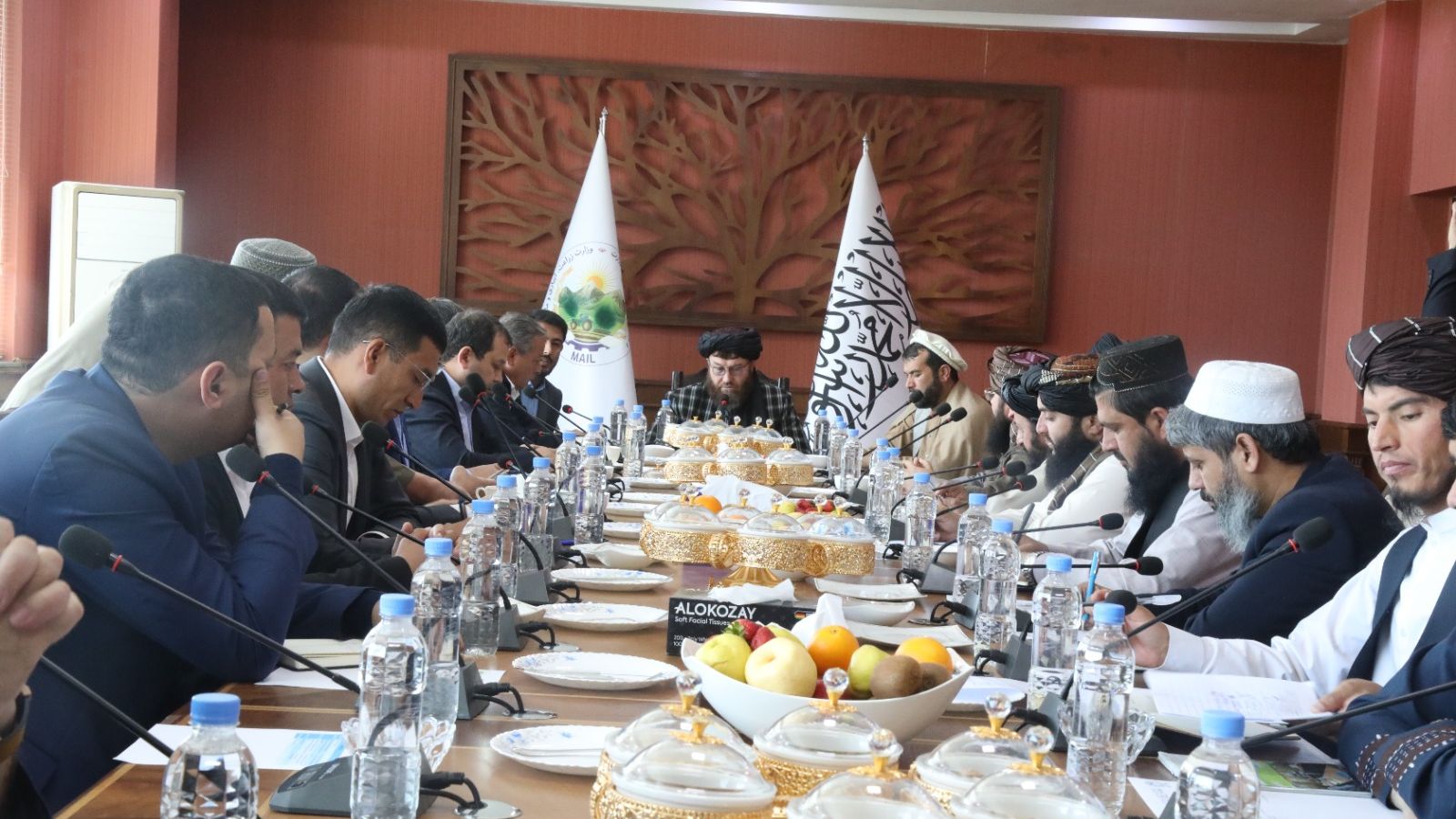
KABUL — Afghanistan's Minister of Agriculture, Irrigation and Livestock, Maulvi Ataullah Omari, met in Kabul with a high-level delegation led by the governor of Uzbekistan's Andijan province.
The meeting placed emphasis on expanding cooperation between Afghanistan and Uzbekistan, particularly in commercial relations and joint agricultural initiatives. Discussions centered on key areas including grape exports, agricultural equipment, transit facilities and quarantine issues.
Omari highlighted the importance of strengthening bilateral ties through these collaborative efforts, according to statements from the Ministry of Agriculture.
The engagement comes amid a series of recent visits by Uzbek government and private sector delegations to Kabul. These exchanges have aimed at bolstering economic and commercial relations between the two countries.
Such interactions reflect ongoing efforts to enhance trade and agricultural partnerships, building on shared interests in regional connectivity and market access.
Read the original reporting at Omid Radio →
Reliability assessment
Single source provides direct, on-record attribution from the Ministry of Agriculture with named official (Maulvi Ataullah Omari), specific location (Kabul), and concrete details (delegation led by Andijan governor, specific topics discussed).
The source language reads straight.
Across the newsrooms
Where reports agree
- Minister Maulvi Ataullah Omari met with Uzbek delegation in Kabul
- Emphasis on agricultural and commercial cooperation between Afghanistan and Uzbekistan
- Discussions covered grape exports, agricultural equipment, transit, and quarantine
Filed by 2 outlets
Omid Radio
Originating
Reported straight
Reported straight
Pajhwok
Reported straight
Reported straight
Filed under
Economy — Maulvi Ataullah Omari, Uzbekistan, Andijan province, Kabul, agricultural cooperation
Reader supported
Keep Ehtebar running
Every published story uses paid tools to translate reporting, compare sources, extract claims, and produce a clearer read on Afghanistan. Reader support helps keep that work independent.
€5
helps cover daily verification runs
€15
supports a week of source comparison
€50
keeps independent analysis moving
More in Economy
Economic Commission Approves 37 Domestic Standards and 12 Testing Methods
— Reliable

Taliban Governor Says Around 700 Mines Under Extraction in Panjshir
— Reliable
Daily Production at Baghlan's Ghori Cement Factory Increases to 700 Tons
— Reliable

Two Irrigation and Flood-Prevention Projects Completed in Zabul
— Reliable