
POLITICS — March 25, 2026
Analysis Attributes Recent Attacks on Afghan Civilians to Pakistan's Economic, Regional Motives
A Bakhtar News analysis links recent Pakistani attacks on Afghan civilian targets to efforts to reverse the Islamic Emirate's economic self-sufficiency and secure regional projects. It highlights Pakistan's dependence on Afghan markets, transit routes and resources amid broader geopolitical tensions.
The Ehtebar Desk — originates with Bakhtar News — 2 min read
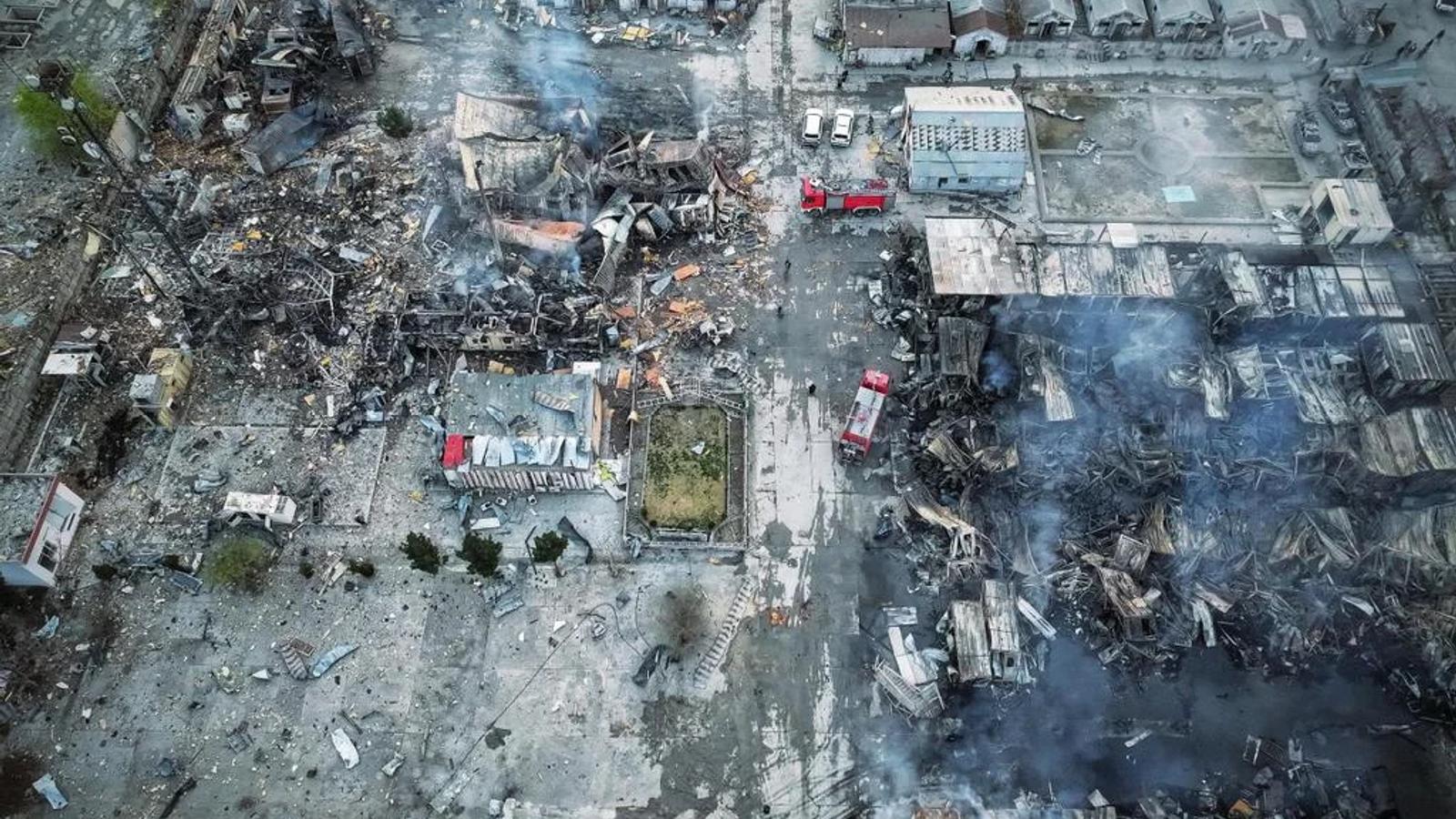
A Bakhtar News Agency observer has analyzed recent attacks on civilian targets in Afghanistan, describing them as reflecting complex economic, regional and geopolitical objectives rather than mere military actions.
The observer points to Pakistan's historical economic dependence on Afghanistan, noting that the Afghan market has long been a key destination for Pakistani manufactured goods and the primary route for exports to Central Asian countries. Afghanistan has also supplied resources such as coal vital to Pakistani industries. With relations strained, Pakistani factories face recession and rising production costs, according to the analysis.
Analysts cited in the piece suggest these tensions aim to restore Afghanistan's previous dependency, where Kabul would accept one-sided trade conditions. However, under the sovereignty of the Islamic Emirate of Afghanistan, the country has pursued self-sufficiency, diversified markets and expanded regional ties in recent years.
Another dimension involves major regional projects, including the transfer of gas, electricity and energy from Central Asia through Afghanistan, which are deemed essential for Pakistan. Instability could pressure decision-making on these initiatives, the observer argues.
Geopolitically, Afghanistan's strategic position draws interest from great powers. The analysis posits that movements toward stability and independence prompt efforts to create insecurity, potentially as pretexts for foreign military presence. Pakistan, facing domestic economic and political pressures, may use a 'foreign enemy' narrative to divert public opinion, though this risks deepening crises.
Field realities indicate Afghans remain highly sensitive to their independence and sovereignty after decades of war and intervention.
Read the original reporting at Bakhtar News →
Reliability assessment
Originally unverified due to single-source opinion piece with vague references to unspecified 'attacks' and 'fire' lacking concrete details. Web results corroborate core event of recent Pakistani attacks on Afghan civilian targets (e.g., airstrike causing fires and deaths in Kabul per NYT on 2026-03-17; health facilities hit in ongoing Feb-Mar 2026 fighting per Crisis Group), confirming factual basis for the analysis in the same timeframe.
The source language tilts sensational, leaning on hyperbole or charged phrasing. Bakhtar News: "Hidden goals behind the fire" (clickbait title implying conspiracy); "deeply concerning" and "hidden, complex, and multi-layered objectives" (hyperbolic speculation presented as fact); "unjustifiable from a moral and human perspective" (heavy emotional manipulation framing attacks as sinister plots).
Independent web corroboration
A separate web search returned 8 matching reports. A selection:
Pakistan said it had targeted military infrastructure.Credit...Wakil Kohsar/Agence France-Presse — Getty Images · Other buildings adjacent to the large structure, each containing 20 to 30 bunk beds, also caught fire. Afghanistan has long been the world’s leading source of illegally produced opium, but a ban by the authorities led to a sharp decline in opium production in 2023.
- Afghanistan and Pakistan Trade Fire as Conflict Takes a Dangerous Turn | International Crisis Groupcrisisgroup.org
According to the World Health Organisation, the Omid camp is the sixth Afghan health facility to have been affected in the round of fighting that began in February. Video footage taken at the site in the bombing’s immediate aftermath seems to show secondary explosions, lending credence to Pakistan’s claims that it was targeting an ammunition depot and a drone storage facility.
Across the newsrooms
Filed by
Bakhtar News
Originating
Sensationalized
Sensationalized
Filed under
Politics — Afghanistan-Pakistan relations, economic dependence, regional projects, geopolitics, Islamic Emirate
Reader supported
Keep Ehtebar running
Every published story uses paid tools to translate reporting, compare sources, extract claims, and produce a clearer read on Afghanistan. Reader support helps keep that work independent.
€5
helps cover daily verification runs
€15
supports a week of source comparison
€50
keeps independent analysis moving
More in Politics

Islamic Emirate Leader Orders 21 New Appointments Across Government Posts
— Reliable

Discussion Held on Presenting Achievements of Government Program in Media
— Reliable

Supreme Court of the Islamic Emirate of Afghanistan Outlines Judicial Reforms and Achievements
— Unverified
Ministry of Information and Culture of the Islamic Emirate of Afghanistan Announces Annual Activities and Achievements
— Reliable