
POLITICS — February 21, 2026
Analysis of Mohammad Haneef Atmar's Stance Through Mohammad Omar Daoudzai's Account
Mohammad Haneef Atmar's recent political activities, including new coalitions opposing the Taliban, are reexamined through Mohammad Omar Daoudzai's book, which claims Atmar's past rift with Ashraf Ghani was genuine amid broken electoral pacts.
The Ehtebar Desk — originates with Hasht-e Subh — 2 min read
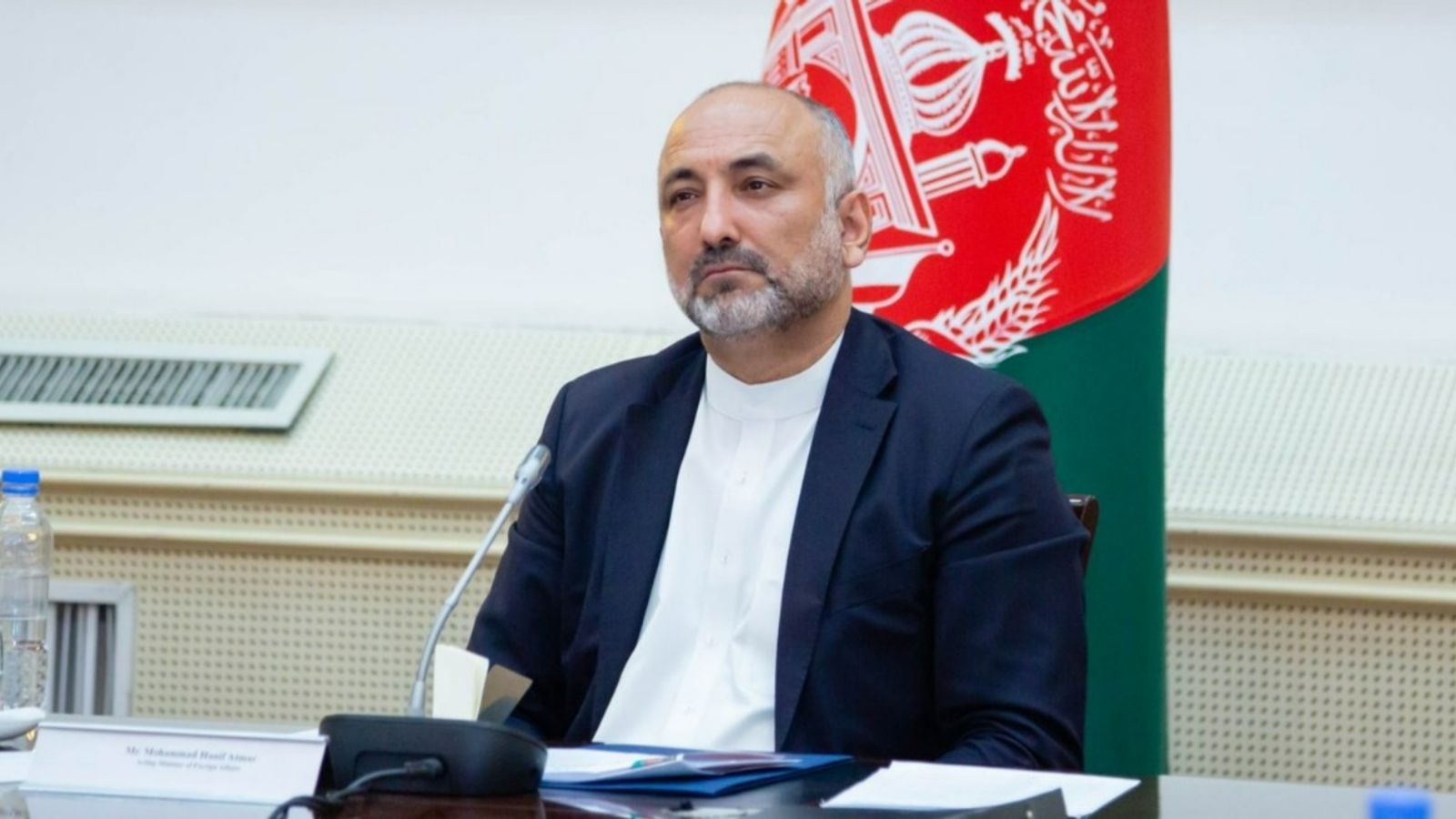
Over the past nearly five years, Mohammad Haneef Atmar has been one of the more active Pashtun leaders. He formed the National Movement for Peace and Justice, which recently announced a split. Atmar's position toward the Taliban has been described as oppositional rather than outright antagonistic, as he has avoided calls for armed struggle against them and repeatedly emphasized implementation of the Doha agreement.
Recently, Atmar established the National Consensus coalition, which includes mostly non-Pashtun political forces and has drawn criticism, particularly from some Tajik politicians, party leaders, and social media users. Critics argue that Atmar differs little from the Taliban and seeks only to negotiate with them on behalf of Tajik leaders.
This suspicion stems from Atmar's 2019 independent presidential ticket, 'Peace and Moderation,' which briefly attracted some Tajik and Hazara leaders. It was perceived by some as a ploy by then-President Ashraf Ghani to divide Tajik leaders and weaken their voter base. Atmar's subsequent appointment as foreign minister in Ghani's second government further fueled distrust.
However, Mohammad Omar Daoudzai, a senior official under both Hamid Karzai and Ashraf Ghani, in his book 'Uncensored: The Fall of Afghanistan,' presents a different narrative. Daoudzai claims Atmar's split from Ghani was genuine, not staged. According to Daoudzai, Ghani and Atmar had a pre-2014 pact: Ghani would run in 2014, Atmar in 2019. Ghani reneged by running again in 2019, leading to Atmar's resignation from the National Security Council.
Daoudzai recounts a story from Fazl Mahmoud Fazli, Ghani's chief of staff. During a 2019 meeting, Fazli shared that Atmar had confided dissatisfaction with Ghani's temperament, leadership of security forces, peace process, and political consensus-building. Atmar also noted international friends intended to block Ghani's reelection. Fazli recorded the conversation and sent it to Hamdullah Mohib, then U.S. ambassador. Mohib played it for Ghani, who reacted angrily, instructing Mohib to replace Atmar as national security adviser.
Daoudzai's account portrays the Atmar-Ghani rift as driven by clashing personal interests, contrasting prevailing narratives of Atmar acting on Ghani's orders to fragment opposition.
Read the original reporting at Hasht-e Subh →
Reliability assessment
Single source provides direct attribution from Daoudzai's book, citing named individuals (Fazli, Mohib, Ghani) with concrete details on historical political events; not a volatile ground event.
The source language mixes facts with framing or advocacy wording. 'آله دست غنی' (Ghani's tool) implies manipulation without evidence; 'انتقامگیری از غنی' (revenge against Ghani) frames motives emotionally; 'زمین تا آسمان فرق است' (worlds apart) uses hyperbole to contrast narratives, blending analysis with speculative judgment.
Across the newsrooms
Filed by
Hasht-e Subh
Originating
Filed under
Politics — Mohammad Haneef Atmar, Mohammad Omar Daoudzai, Ashraf Ghani, Taliban, National Consensus
Reader supported
Keep Ehtebar running
Every published story uses paid tools to translate reporting, compare sources, extract claims, and produce a clearer read on Afghanistan. Reader support helps keep that work independent.
€5
helps cover daily verification runs
€15
supports a week of source comparison
€50
keeps independent analysis moving
More in Politics

Islamic Emirate Leader Orders 21 New Appointments Across Government Posts
— Reliable
Discussion Held on Presenting Achievements of Government Program in Media
— Reliable
Supreme Court of the Islamic Emirate of Afghanistan Outlines Judicial Reforms and Achievements
— Unverified
Ministry of Information and Culture of the Islamic Emirate of Afghanistan Announces Annual Activities and Achievements
— Reliable