
POLITICS — February 21, 2026
Analysis: Why Protests Against Taliban Have Failed to Overthrow Their Rule
Hasht-e Subh analysis argues that protests against Taliban rule persist but fail due to lack of organization, coherent ideology, and leadership, despite evident crises in the regime.
The Ehtebar Desk — originates with Hasht-e Subh — 2 min read
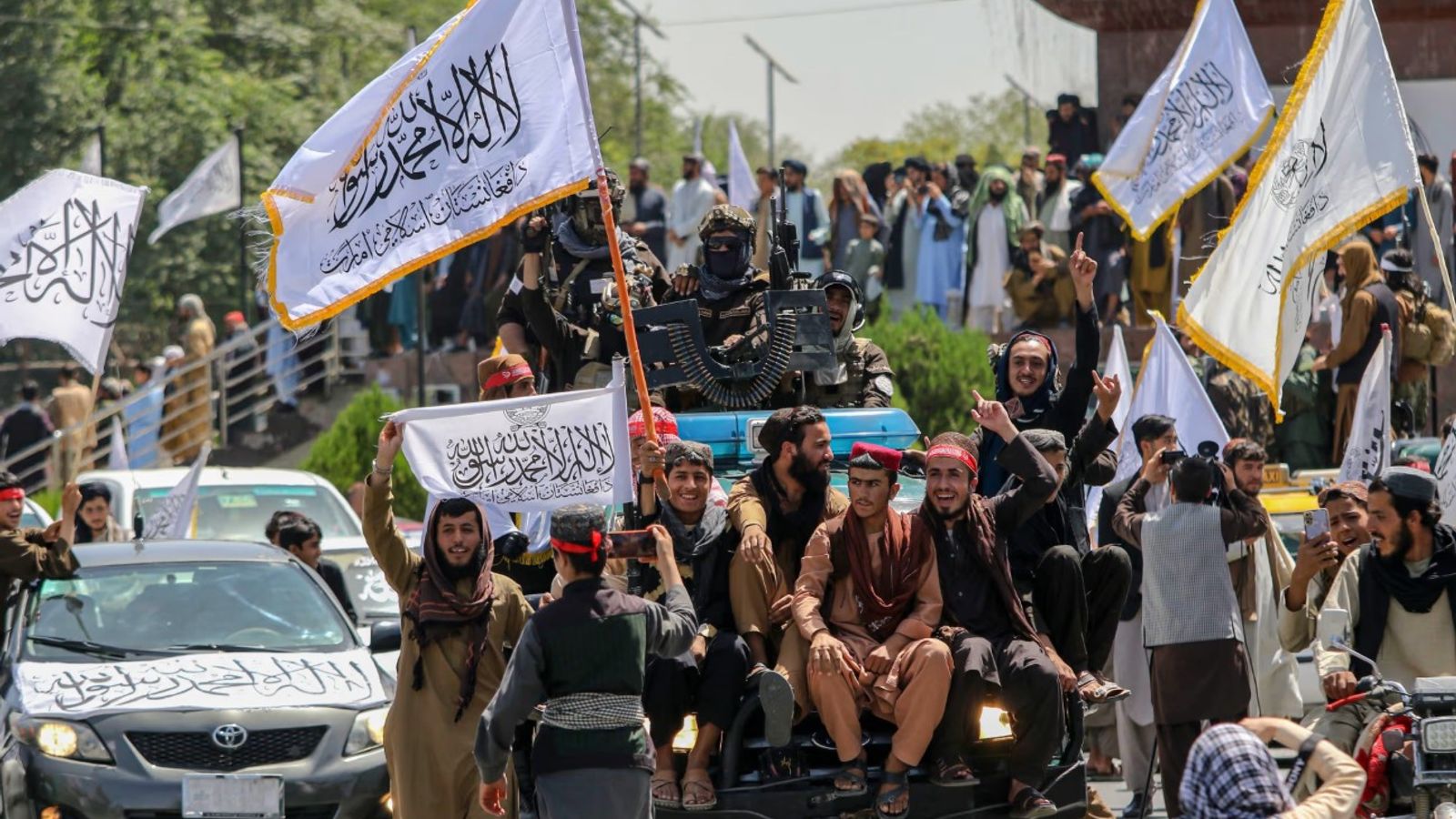
Since the fall of Kabul to the Taliban, protests by citizens and elites inside and outside Afghanistan have continued, focusing on securing basic rights, restoring freedoms, eliminating discrimination, establishing an acceptable political system, and implementing religion appropriately in the country. Protesters, including citizens and political elites, view the Taliban system as lacking necessary capacity and advocate for a modern, inclusive political order acceptable to all citizens.
Despite ongoing protests, particularly widespread abroad, no tangible results have emerged. The Taliban maintain control over Afghanistan's political, economic, and social affairs, while many citizens face poverty, deprivation of rights, discrimination, political upheaval, and a deteriorating future. Over the past four and a half years, critical energy from citizens inside the country and protests by elites abroad has been wasted, failing to produce positive change toward an effective, inclusive political system, due to poor management of these efforts.
The article references Iranian sociologist and political scientist Hossein Bashiriyeh's book 'From Crisis to Collapse: An Exploration of the Durability or Vulnerability of Political Systems.' Bashiriyeh argues that regimes do not collapse solely from public dissatisfaction or governmental weakness. Collapse results from simultaneous crises at elite levels—institutions, elites, political figures—and mobilization at grassroots levels among citizens and organizations.
Structural crises include legitimacy crisis (disconnect between claimed authority and social acceptance), efficiency crisis (failure to provide security, economic stability, basic services), and internal rifts within the ruling apparatus. In Afghanistan, signs of such crises exist in the Taliban system, including limited international recognition, deep economic challenges, governance constraints, and structural isolation. However, these alone do not suffice for collapse.
Widespread dissatisfaction is a necessary but insufficient condition for revolution. It requires organization to channel discontent, a coherent ideology for vision and alternative order, and capable leadership. In current Afghanistan, while dissatisfaction is evident domestically and in the diaspora, these elements remain absent or fragmented. Exile protesters suffer organizational disarray, lack of common discourse on future political order, and no agreed leadership, keeping protest energy symbolic and media-based rather than institutionally transformative.
Read the original reporting at Hasht-e Subh →
Reliability assessment
Single-source opinion/analysis piece with no independent corroboration of claims; relies on theoretical framework and general observations without concrete, checkable details on events or attributions.
The source language mixes facts with framing or advocacy wording. 'هژمونی ظالمانه طالبان' ('oppressive hegemony of the Taliban') and 'نظام قبیلهای' ('tribal system') use emotionally loaded terms implying injustice and primitiveness; 'انرژی اعتراضی ... هدر میرود' ('protest energy ... being wasted') frames dissent with advocacy for better management.
Across the newsrooms
Filed by
Hasht-e Subh
Originating
Filed under
Politics — Taliban, protests, political analysis, regime stability, Afghan diaspora
Reader supported
Keep Ehtebar running
Every published story uses paid tools to translate reporting, compare sources, extract claims, and produce a clearer read on Afghanistan. Reader support helps keep that work independent.
€5
helps cover daily verification runs
€15
supports a week of source comparison
€50
keeps independent analysis moving
More in Politics

Islamic Emirate Leader Orders 21 New Appointments Across Government Posts
— Reliable

Discussion Held on Presenting Achievements of Government Program in Media
— Reliable

Supreme Court of the Islamic Emirate of Afghanistan Outlines Judicial Reforms and Achievements
— Unverified

Ministry of Information and Culture of the Islamic Emirate of Afghanistan Announces Annual Activities and Achievements
— Reliable