INTERNATIONAL — June 19, 2026
Analysts Divided on Impact of Possible US-Iran Agreement on Afghanistan
Three former Afghan diplomats argue that any reduction in tensions between the two countries would likely lead to greater scrutiny of the Taliban's record on human rights and counter-terrorism.
The Ehtebar Desk — originates with Afghanistan International — 2 min read
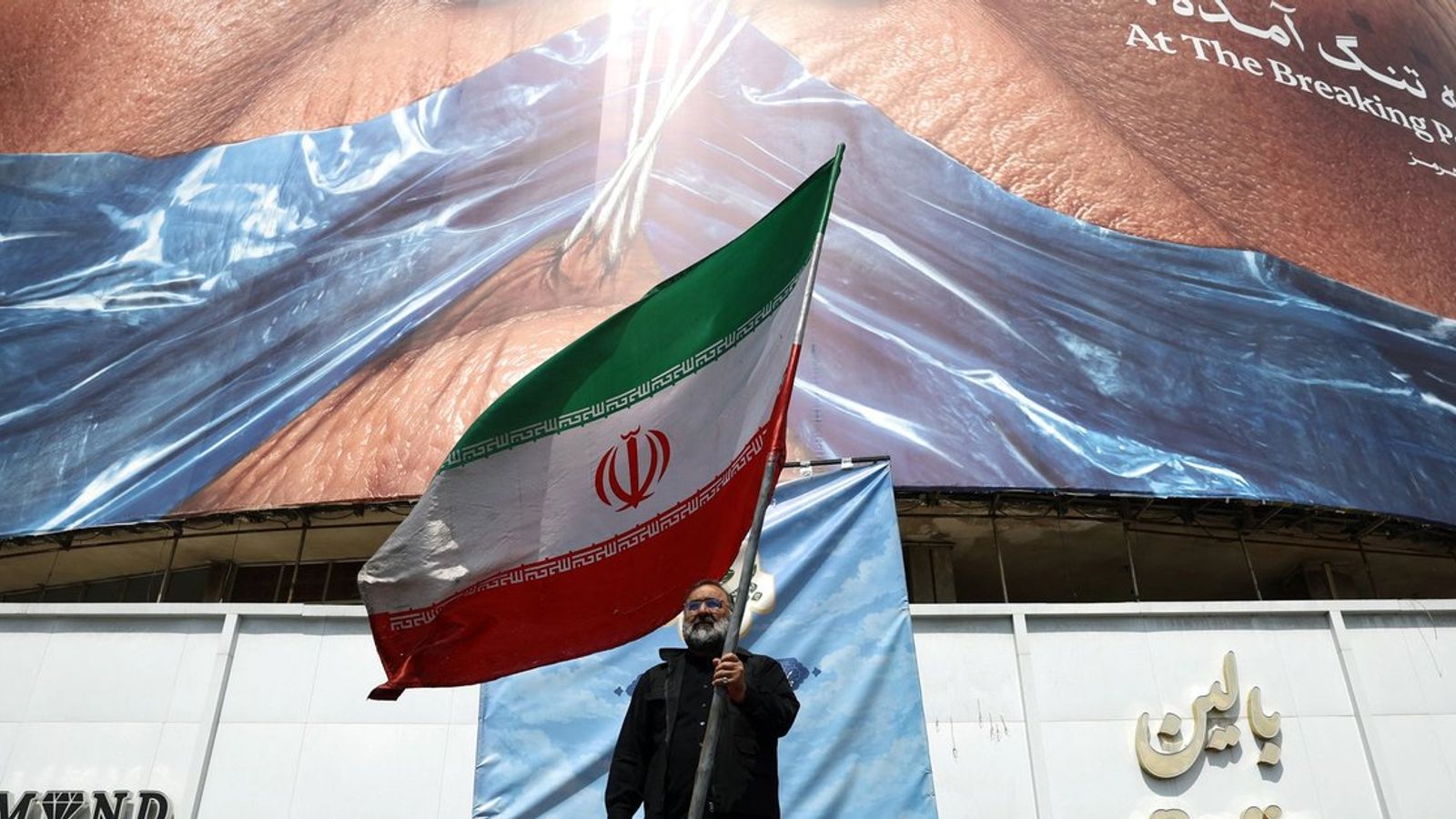
Analysts are divided on the possible outcomes of a prospective agreement between the United States and Iran for Afghanistan. While some see prospects for economic gains through improved regional stability, others contend that the development would draw fresh international attention to the country and its rulers.
The Taliban have managed to maintain a degree of political insulation in recent years by taking advantage of competing global priorities. Conflicts in Ukraine and Gaza, along with ongoing frictions involving Iran, have allowed the group to avoid sustained external demands on key issues.
Metin Amin, Mahmoud Saikal, and Noor Rahman Akhlaqi, who previously served as Afghan diplomats and officials, have expressed the view that lower tensions between Washington and Tehran would reduce the Taliban's safe margin. They anticipate increased examination from both Western and regional actors regarding human rights conditions, counter-terrorism measures, and the formation of an inclusive government.
In parallel, the UN Security Council has adopted new wording in official documents at the suggestion of the United States, the United Kingdom, and France. The term "relevant authorities" has replaced "de facto authorities" in references to the Taliban.
Such changes may indicate an evolving international posture that could place additional constraints on the Taliban's operations if a US-Iran understanding is reached.
Read the original reporting at Afghanistan International →
Reliability assessment
Single source provides direct, on-record quotes from three named former officials (Metin Amin, Mahmoud Saikal, Noor Rahman Akhlaqi) with concrete attributions; the core content consists of attributed opinions rather than unverified events.
The source language mixes facts with framing or advocacy wording. Afghanistan International: "end of the Taliban's safe margin", "limit the Taliban's political safe margin", "more pressure from Western countries and some regional actors" – these phrases frame the agreement as a potential threat to the Taliban with negative implications, mixing analysis with evaluative language about their legitimacy and performance.
Across the newsrooms
Filed by
Afghanistan International
Originating
Framed
Framed
Filed under
International — US-Iran agreement, Taliban, Afghanistan, geopolitics, international pressure
Reader supported
Keep Ehtebar running
Every published story uses paid tools to translate reporting, compare sources, extract claims, and produce a clearer read on Afghanistan. Reader support helps keep that work independent.
€5
helps cover daily verification runs
€15
supports a week of source comparison
€50
keeps independent analysis moving