
POLITICS — February 15, 2026
Breaking the Spell of Division: Rebuilding Hazara Identity and Empowerment
A Hasht-e Subh commentary urges Afghanistan's Hazaras to overcome historical trauma and victim narratives, advocating for rebuilt identity, empowerment through organization, and broader alliances for equal citizenship against structural discrimination.
The Ehtebar Desk — originates with Hasht-e Subh — 2 min read
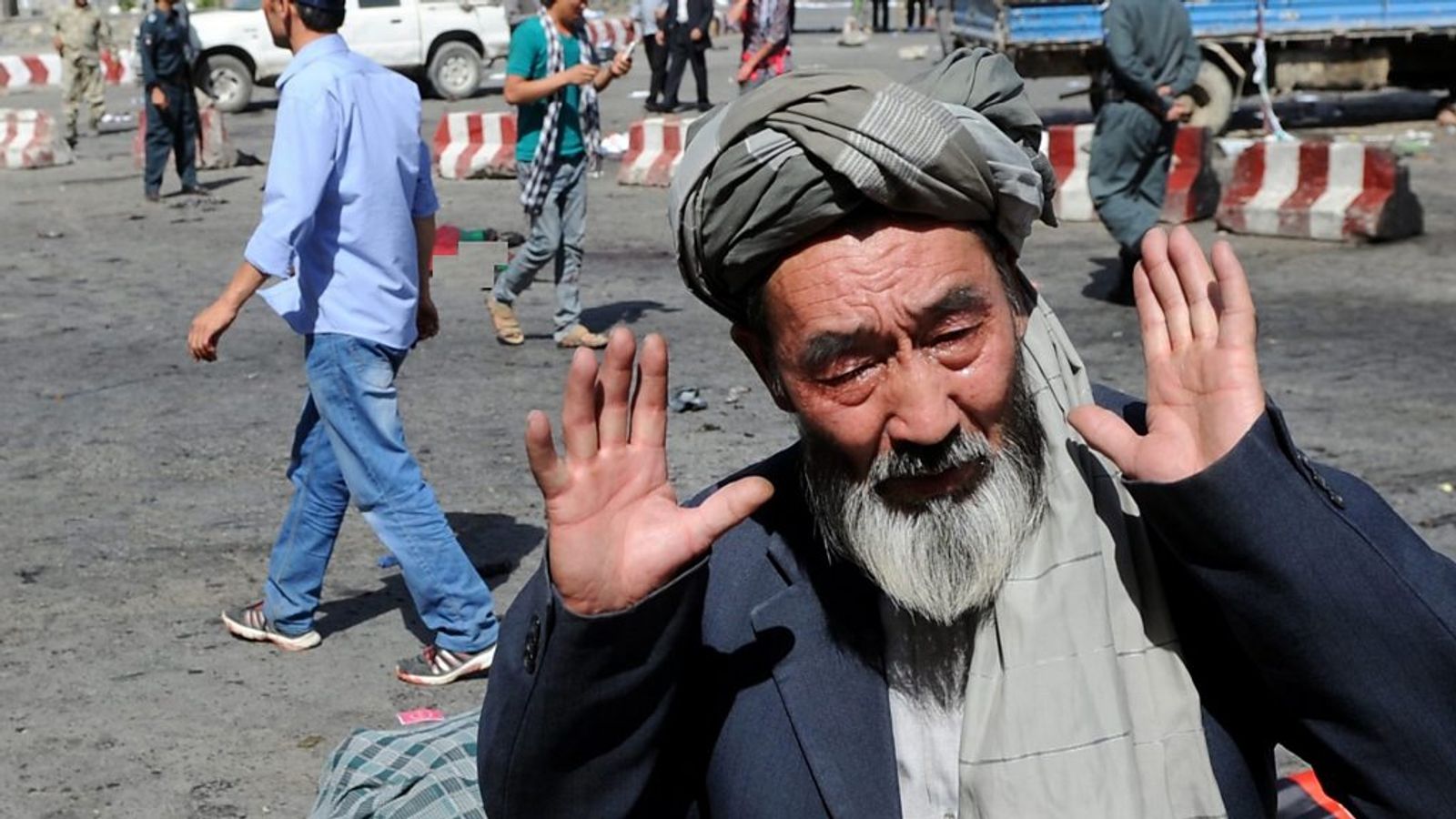
The history of the Hazara people in Afghanistan is marked by suffering, including political exclusion, structural discrimination, and periodic violence, though the article emphasizes that this stems from power structures and armed groups rather than any ethnic essence. It argues for moving beyond a 'victim identity' to one of rights-bearing agency, highlighting how historical traumas like forced displacements, land seizures, and religious humiliation under late 19th-century repressions, as well as later events such as the Afshar massacre, 1998 Mazar-i-Sharif killings, 2001 Bamiyan and Yakaulang massacres, and recent targeted attacks on civilian, educational, and religious gatherings, have instilled collective trauma and learned helplessness.
The piece contends that while narratives of suffering have garnered international sympathy, overemphasizing victimhood risks hindering organization, unity, and power-building. It warns that selective focus on symbolic events like Afshar could be exploited by extremists, including the Taliban, and division profiteers on social media to deepen ethnic rifts and block broader alliances against monopolistic power and violence. Instead, it calls for internal critique, shifting energy from external attention-seeking to domestic organization, active national political participation, and civil society strengthening.
Framing the Hazara issue as one of equal citizenship in Afghanistan, the commentary advocates transitioning from 'ethnic group against ethnic group' narratives to 'unjust structures against citizens,' fostering wider unity. It notes that wherever resistance—civil, cultural, political, or armed—has emerged, collective confidence has grown, though the text cuts off mid-sentence on this point.
Read the original reporting at Hasht-e Subh →
Reliability assessment
Single-source opinion/analysis piece with strongly biased pro-Hazara framing and historical claims presented interpretively; no new verifiable events, direct attributions, or corroboration from independent sources.
Across the newsrooms
Filed by
Hasht-e Subh
Originating
Filed under
Politics — Hazaras, Afshar massacre, ethnic identity, discrimination, Afghanistan
Reader supported
Keep Ehtebar running
Every published story uses paid tools to translate reporting, compare sources, extract claims, and produce a clearer read on Afghanistan. Reader support helps keep that work independent.
€5
helps cover daily verification runs
€15
supports a week of source comparison
€50
keeps independent analysis moving
More in Politics

Islamic Emirate Leader Orders 21 New Appointments Across Government Posts
— Reliable
Discussion Held on Presenting Achievements of Government Program in Media
— Reliable
Supreme Court of the Islamic Emirate of Afghanistan Outlines Judicial Reforms and Achievements
— Unverified
Ministry of Information and Culture of the Islamic Emirate of Afghanistan Announces Annual Activities and Achievements
— Reliable