
POLITICS — March 14, 2026
Durand Line Not Sole Cause of Afghanistan-Pakistan Tensions
Relations between Afghanistan and Pakistan involve more than the disputed Durand Line, encompassing security concerns, geopolitical rivalries with India, transit routes and economic ties, according to an analysis.
The Ehtebar Desk — originates with Hasht-e Subh — 2 min read
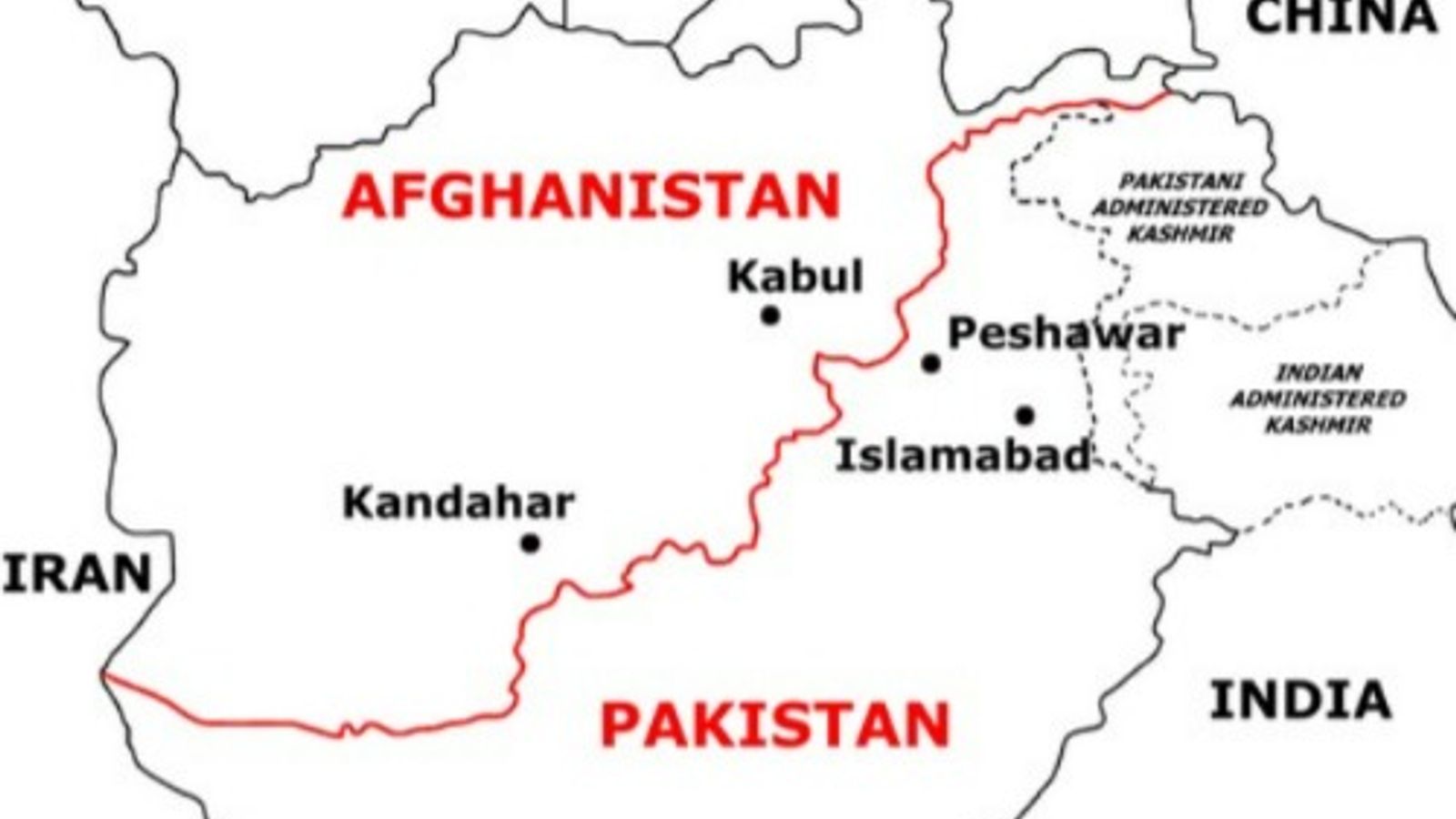
Relations between Afghanistan and Pakistan have been marked by distrust and tension since Pakistan's establishment in 1947. While many analyses identify the Durand Line as the primary factor, a review of historical and geopolitical dynamics reveals a broader set of issues, including historical, security, geopolitical and economic elements.
The Durand Line originated in the late 19th century amid the 'Great Game' rivalry between the British Empire and Tsarist Russia. In 1893, an agreement was signed between Afghan Amir Abdur Rahman Khan and Mortimer Durand, representative of British India, delineating an administrative border between Afghanistan and British India. After Pakistan's independence in 1947, it adopted the line as its international border with Afghanistan. Afghan governments have consistently viewed it as a product of colonial pressures and refused to recognize it officially, making it a persistent point of contention.
However, tensions extend beyond the border issue. Pakistan's security concerns, stemming from its rivalry with India since independence, have positioned Afghanistan as strategically vital. Pakistani strategists, particularly since the 1980s, have regarded Afghanistan through the lens of 'strategic depth,' seeking a friendly government in Kabul to counter potential encirclement by India. Islamabad has remained sensitive to Indian influence in Afghanistan and sought to play a significant role in its political and security developments.
Afghanistan has served as a proxy arena for Pakistan-India competition. In the 1990s, when the Taliban rose to power, Pakistan was a key supporter and recognized the group, while India maintained close ties with anti-Taliban forces, particularly the Northern Alliance. Post-2001, the country became a field of political and economic rivalry between the two powers.
Afghanistan's geopolitical position at the crossroads of South Asia, Central Asia and the Middle East enhances its importance to Pakistan, offering access to Central Asian markets, energy transit routes and regional connectivity projects. Economically, Afghanistan represents a major market for Pakistani goods, with significant imports meeting consumer needs. Afghanistan's natural resources and agricultural potential also hold future regional significance.
In summary, while the Durand Line is a key factor, Pakistan's security considerations, regional rivalries especially with India, Afghanistan's geopolitical role and economic interests all contribute to the ongoing tensions.
Read the original reporting at Hasht-e Subh →
Reliability assessment
Single-source analysis piece providing historical and geopolitical context without on-record attribution, named officials, or concrete checkable details on current events.
The source language reads straight.
Across the newsrooms
Filed by
Hasht-e Subh
Originating
Filed under
Politics — Afghanistan, Pakistan, Durand Line, Strategic Depth, India
Reader supported
Keep Ehtebar running
Every published story uses paid tools to translate reporting, compare sources, extract claims, and produce a clearer read on Afghanistan. Reader support helps keep that work independent.
€5
helps cover daily verification runs
€15
supports a week of source comparison
€50
keeps independent analysis moving
More in Politics

Islamic Emirate Leader Orders 21 New Appointments Across Government Posts
— Reliable

Discussion Held on Presenting Achievements of Government Program in Media
— Reliable

Supreme Court of the Islamic Emirate of Afghanistan Outlines Judicial Reforms and Achievements
— Unverified

Ministry of Information and Culture of the Islamic Emirate of Afghanistan Announces Annual Activities and Achievements
— Reliable