
POLITICS — February 17, 2026
EU Special Representative Gilles Bertrand Criticizes Taliban's Penal Code as Institutionalizing Social Inequality
EU Special Representative Gilles Bertrand criticized the Taliban's new penal code as a tool to institutionalize social inequality, normalize domestic violence, and entrench hierarchies favoring religious scholars over women and others. He highlighted Afghanistan's dire economic and humanitarian crisis, stressing that recognition requires Taliban reforms on rights and inclusivity.
The Ehtebar Desk — originates with Hasht-e Subh — 2 min read
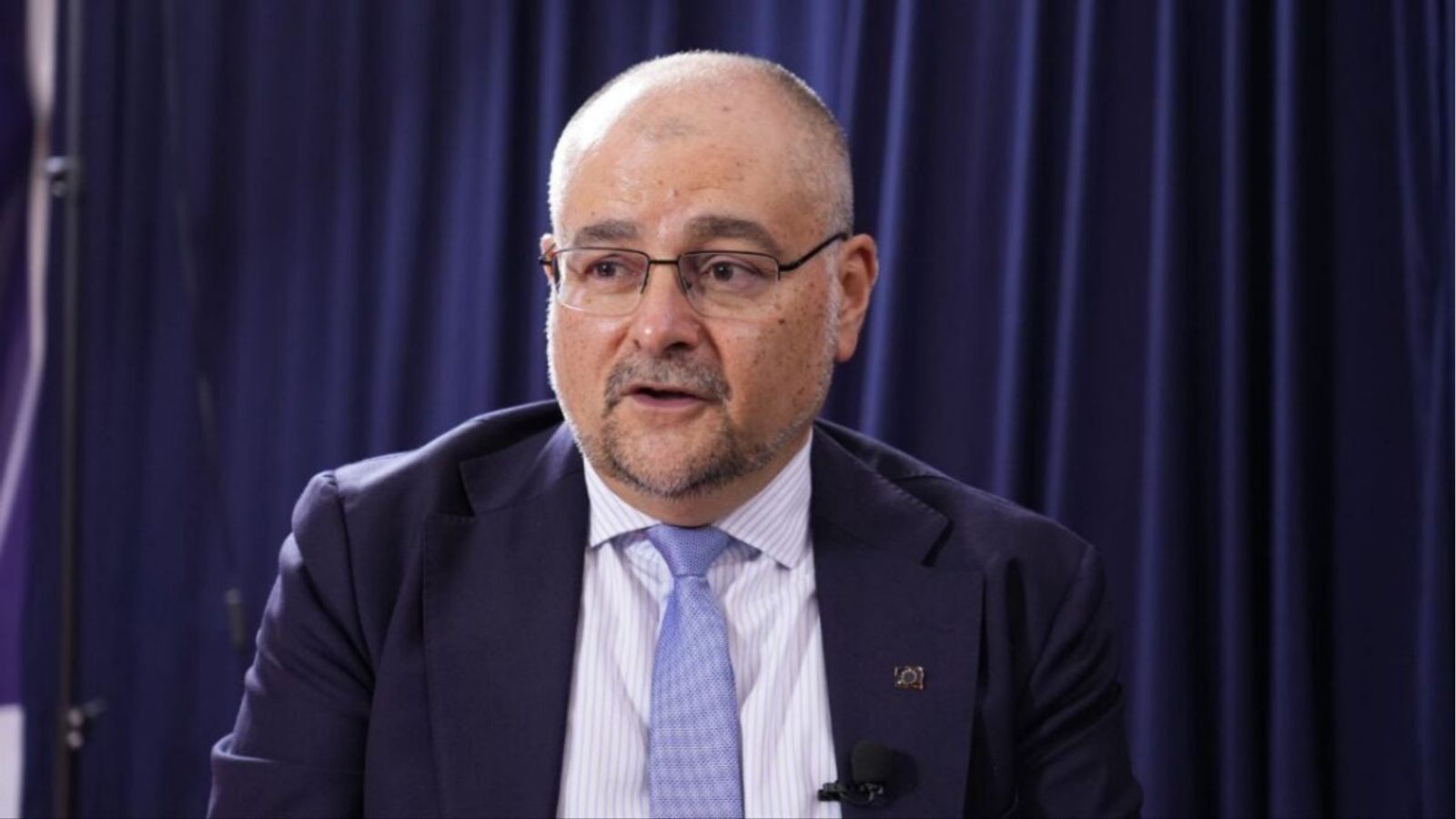
Gilles Bertrand, the European Union's Special Representative for Afghanistan, described Afghanistan's situation in an interview with Hasht-e Subh as marked by a collapsed economy, heavy reliance on humanitarian aid, and unprecedented violations of women's rights. He noted that millions of Afghans remain dependent on aid for survival, with living conditions for women worse than ever and climate threats now posing an imminent risk of further displacement. Bertrand emphasized that while not all issues stem solely from the Taliban, the ruling authorities bear primary responsibility.
Bertrand assessed the Taliban's 'Penal Code Framework for Courts,' promulgated on January 4 by the Taliban leader, as a complex document that codifies existing practices while institutionalizing social inequality. He stated that it categorizes citizens into four levels, placing religious scholars at the top with minimal accountability and women among those with 'limited legal capacity' at the bottom. According to Bertrand, the code normalizes domestic violence, deems non-Hanafi Muslims as 'incorrect' believers, ignores organized and financial crimes, and focuses on social control mechanisms. It grants broad powers to courts, which critics say could be easily abused.
The EU views these laws as a step toward long-term institutionalized suppression, creating space for power abuse by Taliban leaders and clerics, Bertrand said. He affirmed that EU support targets the Afghan people, not the Taliban, and that international recognition requires changes in human rights practices and formation of an inclusive government. The EU intends to maintain sanctions and pursue international accountability mechanisms.
Bertrand, who lived and worked in Kabul over 20 years ago, expressed sorrow over lost time and another generation at risk.
Read the original reporting at Hasht-e Subh →
Reliability assessment
Direct, on-record interview with named high-level EU official (Gilles Bertrand) providing concrete details on the penal code and Afghanistan's situation; not a volatile ground event.
Across the newsrooms
Filed by
Hasht-e Subh
Originating
Filed under
Politics — Taliban, EU, Gilles Bertrand, penal code, women's rights
Reader supported
Keep Ehtebar running
Every published story uses paid tools to translate reporting, compare sources, extract claims, and produce a clearer read on Afghanistan. Reader support helps keep that work independent.
€5
helps cover daily verification runs
€15
supports a week of source comparison
€50
keeps independent analysis moving
More in Politics

Islamic Emirate Leader Orders 21 New Appointments Across Government Posts
— Reliable
Discussion Held on Presenting Achievements of Government Program in Media
— Reliable
Supreme Court of the Islamic Emirate of Afghanistan Outlines Judicial Reforms and Achievements
— Unverified
Ministry of Information and Culture of the Islamic Emirate of Afghanistan Announces Annual Activities and Achievements
— Reliable