
POLITICS — February 17, 2026
EU Special Representative: Taliban Penal Code Institutionalizes Social Inequality
EU Special Representative Gilles Bertrand criticized the Taliban penal code for institutionalizing social inequality, normalizing family violence, and discriminating against women and non-Hanafi Muslims. He stressed that EU aid supports Afghans, not the Taliban, amid concerns over the country's dire economic and rights situation.
The Ehtebar Desk — originates with Amu TV — 2 min read
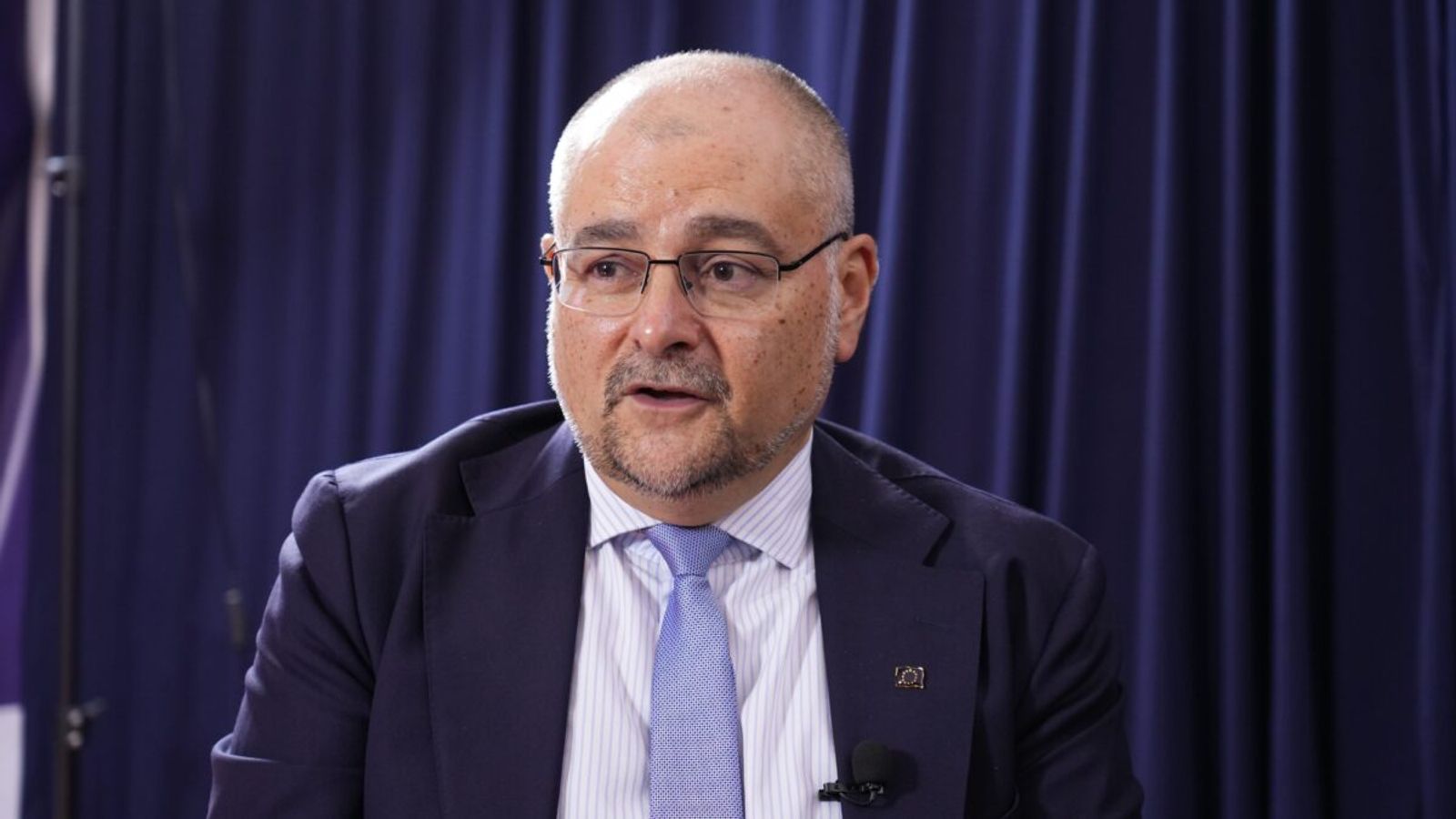
Gilles Bertrand, the European Union's special representative for Afghanistan, stated in an interview with 8am newspaper that the Taliban penal code is an effort to institutionalize social inequality and concentrate power. He said it normalizes family violence and discrimination against followers of non-Hanafi sects.
Bertrand emphasized that EU humanitarian aid is provided solely for the Afghan people and does not constitute support for the Taliban. He described Afghanistan's political, economic, and human rights situation as "worrying," citing a collapsed economy, heavy reliance on aid, and unprecedented violations of women's rights.
The EU representative argued that the penal code transforms the ruling ideology into enforceable law, exacerbating social inequality by dividing citizens into four levels: religious scholars at the top, who are largely unaccountable, and women and those with "limited legal capacity" at the bottom. He noted that it focuses on social control while ignoring organized and financial crimes, and its broad powers for Taliban courts could enable abuses, arbitrary punishments, public executions, and suppression of opponents.
Bertrand highlighted the unprecedented and unjustifiable restrictions on women's and girls' rights, which prevent female teachers, nurses, and other essential professionals from working.
Amu TV's review of the penal code's third chapter found provisions suppressing dissent and reinforcing patriarchy, such as 20 lashes and six months' imprisonment for insulting Taliban officials, and 39 lashes plus five years for harboring opponents. It imposes two years' prison for leaving the Hanafi faith. Legal experts warned that punishments for women are harsher, including perpetual imprisonment with 10 lashes every three days for female apostasy. Under Article 32, a husband faces only 15 days in prison for beating his wife if it causes visible wounds, bruises, or fractures.
Human rights activists warned that the Taliban seek to seriously suppress justice and citizens' rights. The penal code, comprising one introduction, three parts, ten chapters, and 119 articles, was approved by the Taliban leader and is set to be published in the official gazette soon.
Read the original reporting at Amu TV →
Reliability assessment
Direct, on-record quotes from named EU official Gilles Bertrand in a published interview, combined with concrete, checkable details from the Taliban penal code (specific articles, punishments). Single source but meets criteria for direct attribution and verifiable document analysis; not an unverified ground event.
Across the newsrooms
Filed by
Amu TV
Originating
Filed under
Politics — Taliban, EU, penal code, women's rights, human rights
Reader supported
Keep Ehtebar running
Every published story uses paid tools to translate reporting, compare sources, extract claims, and produce a clearer read on Afghanistan. Reader support helps keep that work independent.
€5
helps cover daily verification runs
€15
supports a week of source comparison
€50
keeps independent analysis moving
More in Politics

Islamic Emirate Leader Orders 21 New Appointments Across Government Posts
— Reliable
Discussion Held on Presenting Achievements of Government Program in Media
— Reliable
Supreme Court of the Islamic Emirate of Afghanistan Outlines Judicial Reforms and Achievements
— Unverified
Ministry of Information and Culture of the Islamic Emirate of Afghanistan Announces Annual Activities and Achievements
— Reliable