
ECONOMY — April 16, 2026
Fuel Imports from Russia and Belarus to Afghanistan and Central Asia Increase by More Than 50 Percent
Imports of petroleum products from Russia and Belarus to Afghanistan and Central Asia by rail surged more than 50 percent in the first quarter of 2026 to 3.347 million metric tons. The increase stems from Russia diverting its energy exports from Europe due to EU sanctions and reduced Middle East supplies amid the war in Iran.
The Ehtebar Desk — originates with Pajhwok — 2 min read
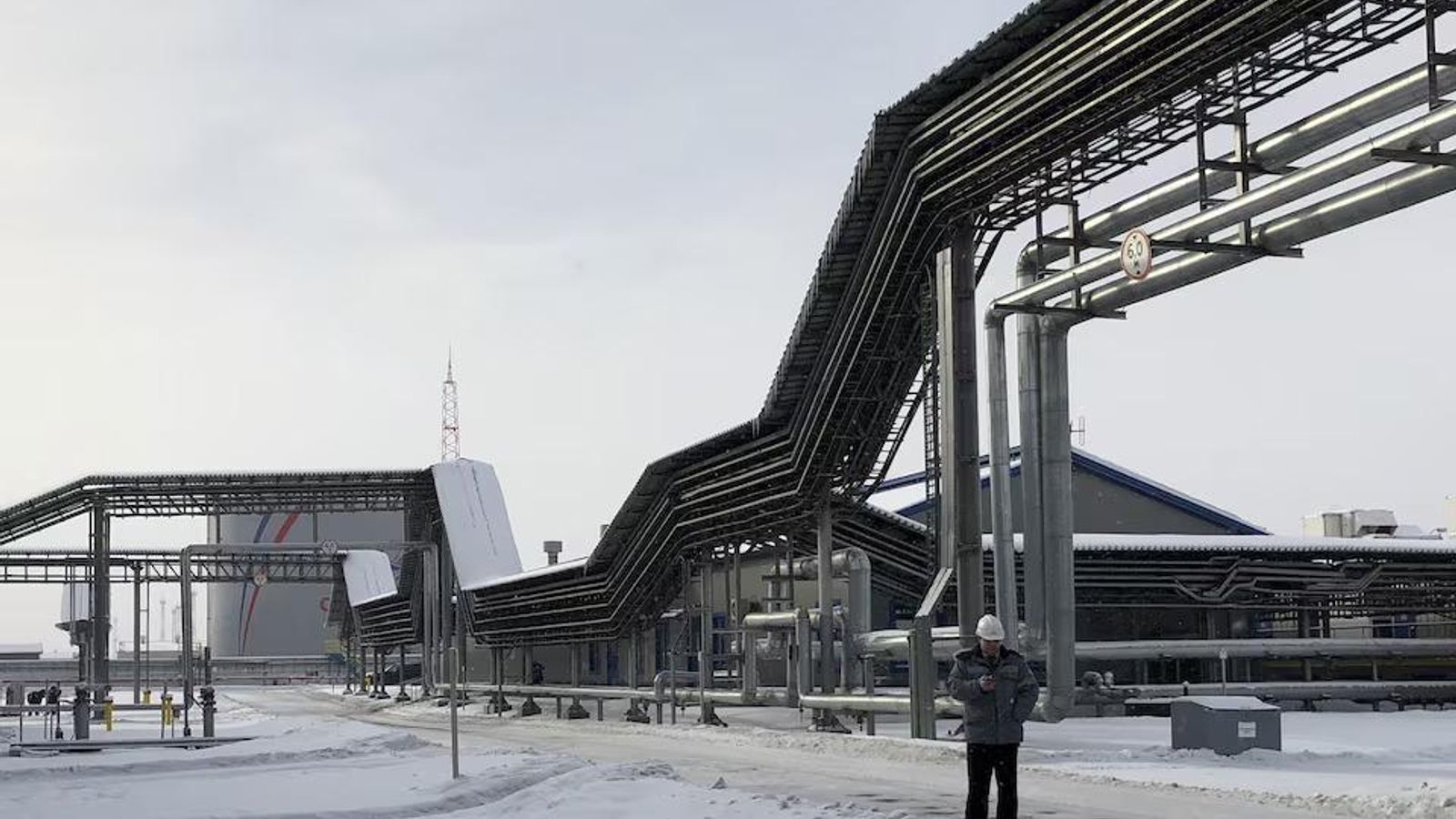
Imports of fuel from Russia and Belarus into Afghanistan and Central Asia have grown significantly through railway transportation in the early part of 2026.
Data indicates that the volume of petroleum product imports to the region via rail rose by more than 50 percent during the first three months of the year. The total shipments for the January to March period reached 3.347 million metric tons.
This growth in fuel imports is linked to changes in Russia's export strategies. The country has been redirecting its energy resources away from the European continent. This move follows the sanctions placed by the European Union on Russian petroleum products in February 2023. With these sanctions in place, Afghanistan and Central Asia have taken on a greater role as a key market for Russian fuel exports.
The situation has been further influenced by disruptions in the Middle East. The war in Iran has resulted in lower oil supplies from that region, leading to higher imports from Russia and Belarus to meet regional needs.
Meanwhile, a temporary ban on gasoline exports has been enacted by Russia. The ban is to remain until the end of July. Despite the ban, exemptions have been granted to many Central Asian countries that hold intergovernmental agreements for fuel supply with Russia.
These developments highlight the shifting patterns in global energy trade and their impact on Afghanistan and the broader Central Asian region.
Read the original reporting at Pajhwok →
Reliability assessment
Single source (Pajhwok) with strong attribution to a Reuters report containing concrete, checkable details including a precise volume of 3.347 million metric tons, a specific percentage increase, named sanctions date, and exemption conditions. Per guidelines, single-source stories with direct attribution and specific details qualify as reliable; no conflicting sources present.
The source language reads straight.
Independent web corroboration
A separate web search returned 8 matching reports. A selection:
- Central Asia, Afghanistan crank up Russian fuel imports as MidEast supplies dry up | Reutersreuters.com
MOSCOW, April 15 (Reuters) - Central Asia and Afghanistan increased fuel imports from Russia and Belarus by rail by more than 50% in the first quarter as Moscow diverts energy flows from Europe and the Iran war curbs deliveries from the ...
Citing trade sources, the report said fuel shipments to Afghanistan and the wider Central Asian region rose by more than 50% in the first quarter of the year, mainly via rail routes.
- Central Asia, Afghanistan crank up Russian fuel imports as MidEast supplies dry up | Ariana News | Afghanistan Newsariananews.af
Central Asia and Afghanistan increased fuel imports from Russia and Belarus by rail by more than 50% in the first quarter as Moscow diverts energy flows from Europe and the Iran war curbs deliveries from the Middle East, traders said on Wednesday.
Across the newsrooms
Filed by
Pajhwok
Originating
Reported straight
Reported straight
Filed under
Economy — Russia, Belarus, Fuel Imports, Afghanistan, Central Asia
Reader supported
Keep Ehtebar running
Every published story uses paid tools to translate reporting, compare sources, extract claims, and produce a clearer read on Afghanistan. Reader support helps keep that work independent.
€5
helps cover daily verification runs
€15
supports a week of source comparison
€50
keeps independent analysis moving
More in Economy

Economic Commission Approves 37 Domestic Standards and 12 Testing Methods
— Reliable

Taliban Governor Says Around 700 Mines Under Extraction in Panjshir
— Reliable
Daily Production at Baghlan's Ghori Cement Factory Increases to 700 Tons
— Reliable

Two Irrigation and Flood-Prevention Projects Completed in Zabul
— Reliable