
ECONOMY — March 16, 2026
Fuel Prices Decrease Slightly in Afghanistan Amid Global Increases Due to Middle East Conflicts
Fuel prices in Afghanistan have dipped slightly for diesel, petrol, and LPG after an initial increase, bucking a global rise driven by Middle East conflicts. Economic experts and officials attribute the decrease to low import taxes and Central Asian sourcing, while drivers seek more reductions.
The Ehtebar Desk — originates with ToloNews — 2 min read
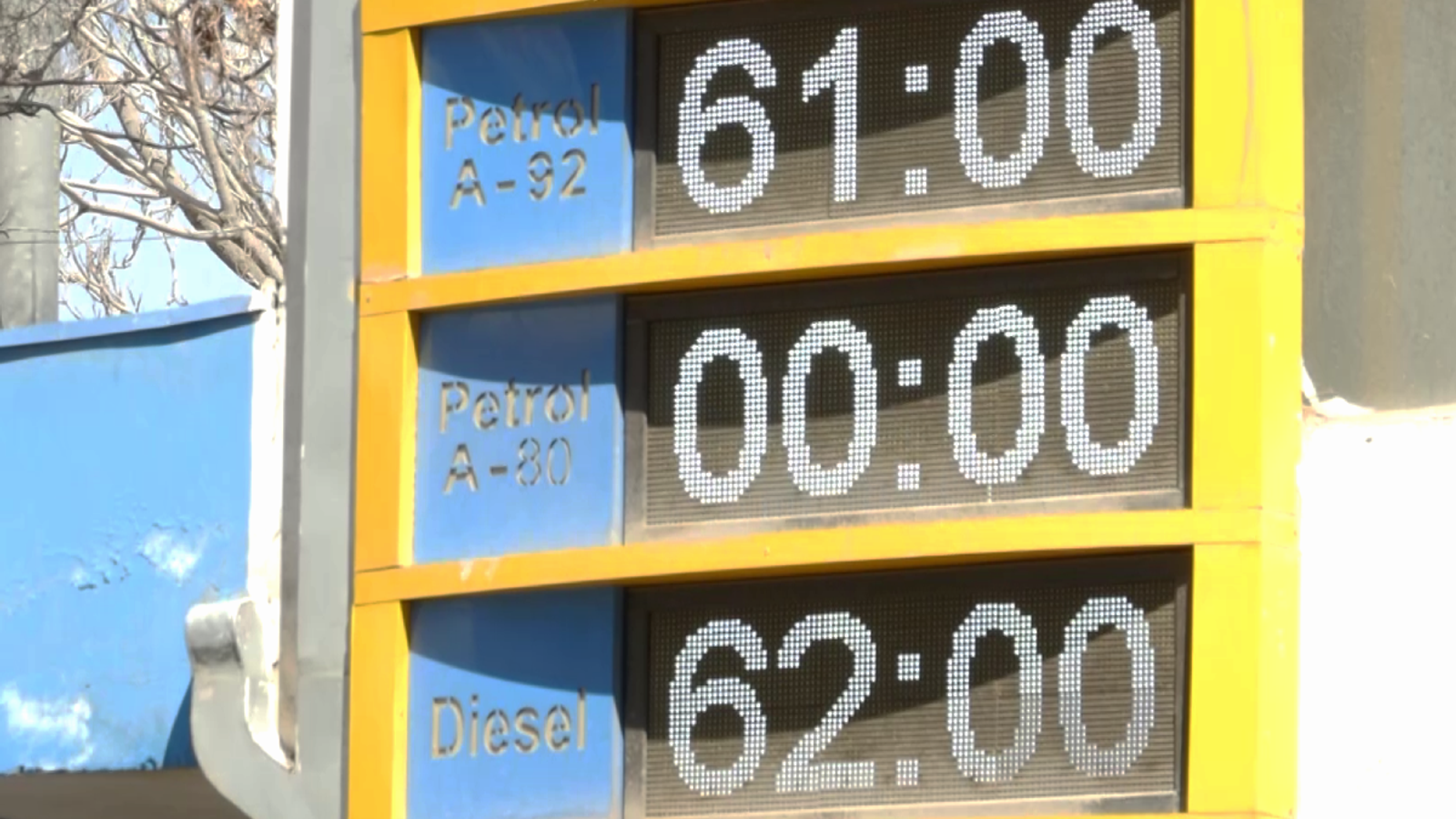
Fuel prices in Afghanistan have slightly decreased after an initial surge, even as global prices rise due to conflicts in the Middle East.
Diesel oil prices fell from 66 Afghanis to 62 Afghanis per liter, petrol from 66 Afghanis to 61 Afghanis per liter, and LPG from 55 Afghanis to 50 Afghanis per kilogram. The decreases amount to about 5 Afghanis across the fuels following an earlier rise of up to 10 Afghanis.
Economic expert Sair Qureshi attributed the drop to low import taxes on fuel and sourcing primarily from neighboring Central Asian countries. "The reason the price of fuel has decreased in Afghanistan is that there is less tax on fuel imports in the country, and prices are mostly determined by the market and traders," Qureshi said. "On the other hand, Afghanistan imports more fuel from neighboring Central Asian countries."
Drivers in Kabul welcomed the reductions but called for further cuts to ease economic pressures. Amin, a driver, said: "Although the fuel rate is controlled, we cannot work enough to cover both vehicle expenses and family needs." Ahmad Milad, another driver, added: "If the gas price is, for example, 60 Afghanis, it saves us up to 250 Afghanis, and if it is 50 Afghanis, it saves us 300 to 350 Afghanis, and we also pay taxes to the government, and this high price is difficult for us."
Fuel companies cited regional developments for the initial price spike and pledged continued market stabilization. Mohammad Nabi Bahar, spokesman for the General Directorate of Fuel Companies, said: "Prices are controlled in various markets across the country, and efforts continue to take control of the market, prevent hoarding, and supply fuel and gas in the country's markets as much as possible."
Global fuel price fluctuations persist, with Afghan citizens hoping for further domestic declines as market stability improves.
Read the original reporting at ToloNews →
Reliability assessment
Single reputable source (ToloNews) reports core event with concrete, checkable price details (specific figures for diesel/petrol/LPG) and direct on-record quotes from named economic expert Sair Qureshi and official spokesman Mohammad Nabi Bahar; not high-stakes/volatile topic.
The source language reads straight.
Across the newsrooms
Filed by
ToloNews
Originating
Reported straight
Reported straight
Filed under
Economy — fuel prices, Afghanistan, Kabul, Middle East, Central Asia
Reader supported
Keep Ehtebar running
Every published story uses paid tools to translate reporting, compare sources, extract claims, and produce a clearer read on Afghanistan. Reader support helps keep that work independent.
€5
helps cover daily verification runs
€15
supports a week of source comparison
€50
keeps independent analysis moving
More in Economy
Economic Commission Approves 37 Domestic Standards and 12 Testing Methods
— Reliable

Taliban Governor Says Around 700 Mines Under Extraction in Panjshir
— Reliable
Daily Production at Baghlan's Ghori Cement Factory Increases to 700 Tons
— Reliable

Two Irrigation and Flood-Prevention Projects Completed in Zabul
— Reliable