INTERNATIONAL — June 26, 2026
Guardian Editorial Criticizes European Engagement with Taliban on Afghan Migrant Returns
The editorial highlights risks to returning Afghans, including arrest and torture for women and activists, and urges governments to recognize gender apartheid as an international crime while supporting humanitarian aid.
The Ehtebar Desk — originates with Afghanistan International — 2 min read
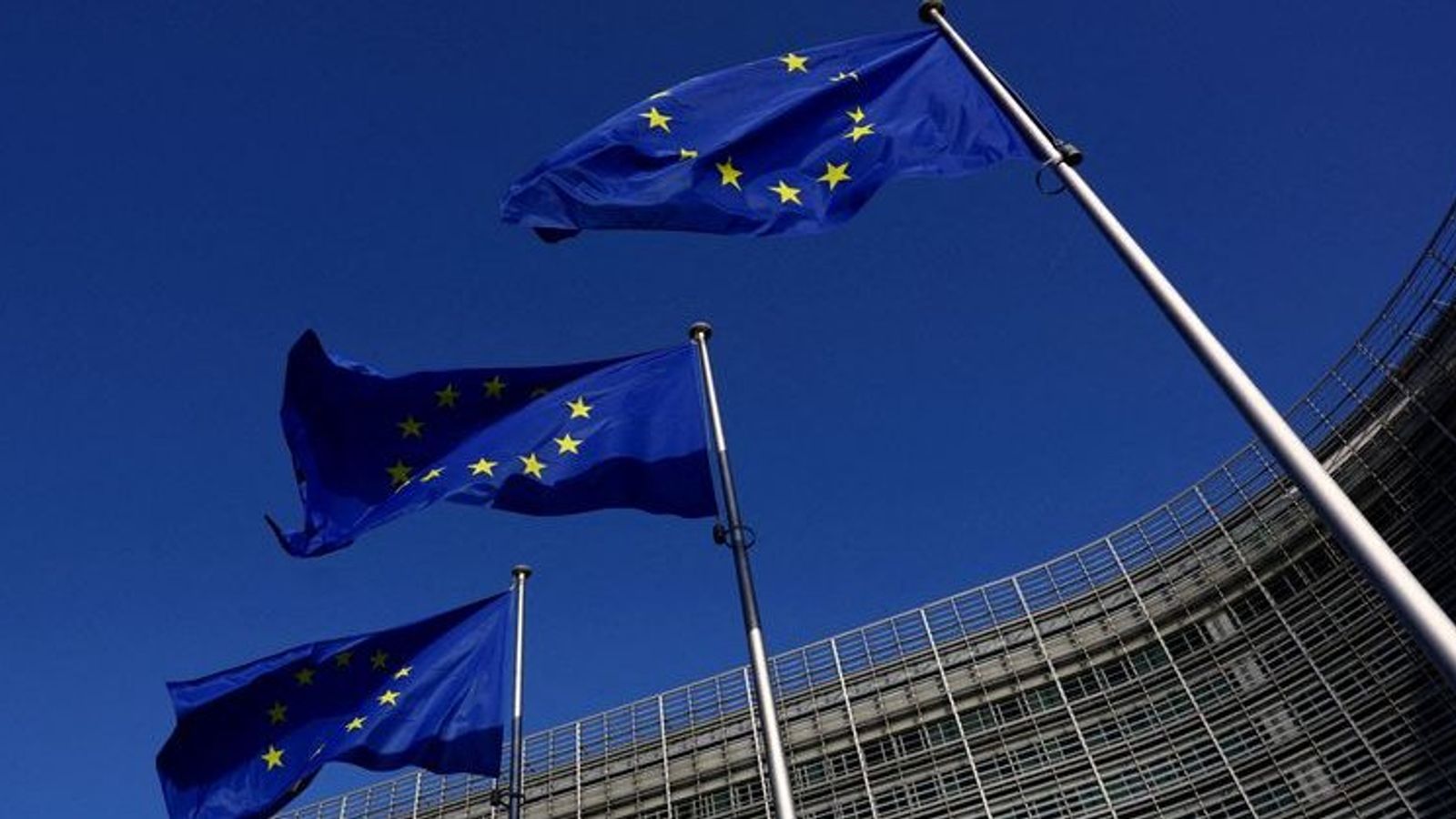
The Guardian published an editorial on 4 Saratan arguing that European countries are prioritizing the return of Afghan migrants through talks with the Taliban in Brussels, despite risks to women and other vulnerable groups. The editorial states that such engagement effectively compromises human rights commitments five years after the fall of Kabul.
According to the editorial, the European Union has focused discussions on deporting Afghans who lack residence rights or have been convicted of serious crimes. It highlights restrictions imposed since 2021, including bans on girls' education, limits on women's work and movement, and the removal of women from public life.
Human rights institutions have described the Taliban's treatment of women and girls as possible gender apartheid, the editorial notes. It warns that returning Afghans could face arrest, torture, harassment or death, particularly women, civil activists, opponents of the Taliban and those who worked with Western institutions.
The Guardian calls on governments to recognize gender apartheid as an international crime, maintain humanitarian aid and ensure safe futures for Afghan refugees rather than emphasizing migration control. The editorial contends that current policies risk legitimizing the Taliban while undermining protections for at-risk individuals.
Read the original reporting at Afghanistan International →
Reliability assessment
Single source provides direct attribution to a named, verifiable editorial in The Guardian with specific details on content, date and arguments; the fact of the editorial's publication and its stated positions is concrete and attributable.
The source language mixes facts with framing or advocacy wording. Afghanistan International: "selling Afghan women's rights", "dangerous shift in European policy", "risk of legitimizing the Taliban" — these phrases frame the EU's actions with strong negative judgment and advocacy language implying betrayal of principles.
Independent web corroboration
A separate web search returned 8 matching reports. A selection:
- The Guardian view on EU talks with the Taliban: selling out the rights of girls, women and other Afghans | Editorial | The Guardiantheguardian.com
A European Commission spokesman ... security threat”. But <strong>Euronews reported that the invitation to the Taliban mentioned only the return of “Afghan nationals with no right to stay in the EU”.</strong>...
- Thursday briefing: Why EU-Taliban talks have sparked outrage among Afghan women | Taliban | The Guardiantheguardian.com
Messaging on the day of the EU-Taliban meeting, her fury was palpable. “It is indeed a slap in the faces of Afghan women,” she told me. “The EU is telling us that our suffering, being stripped of our most basic rights for five years now, doesn’t amount to anything.
Across the newsrooms
Filed by
Afghanistan International
Originating
Framed
Framed
Filed under
International — Taliban, European Union, Afghan migrants, Women's rights, Deportation
Reader supported
Keep Ehtebar running
Every published story uses paid tools to translate reporting, compare sources, extract claims, and produce a clearer read on Afghanistan. Reader support helps keep that work independent.
€5
helps cover daily verification runs
€15
supports a week of source comparison
€50
keeps independent analysis moving