INTERNATIONAL — March 14, 2026
Hasht-e Subh Analyzes Iran's Isolation Following UN Security Council Session
Hasht-e Subh argues that a recent UN Security Council resolution reveals Iran's profound international isolation, with even allies China and Russia abstaining. The piece attributes this to Iran's anti-Western stance, enmity with Israel, and lack of reliable partners.
The Ehtebar Desk — originates with Hasht-e Subh — 2 min read
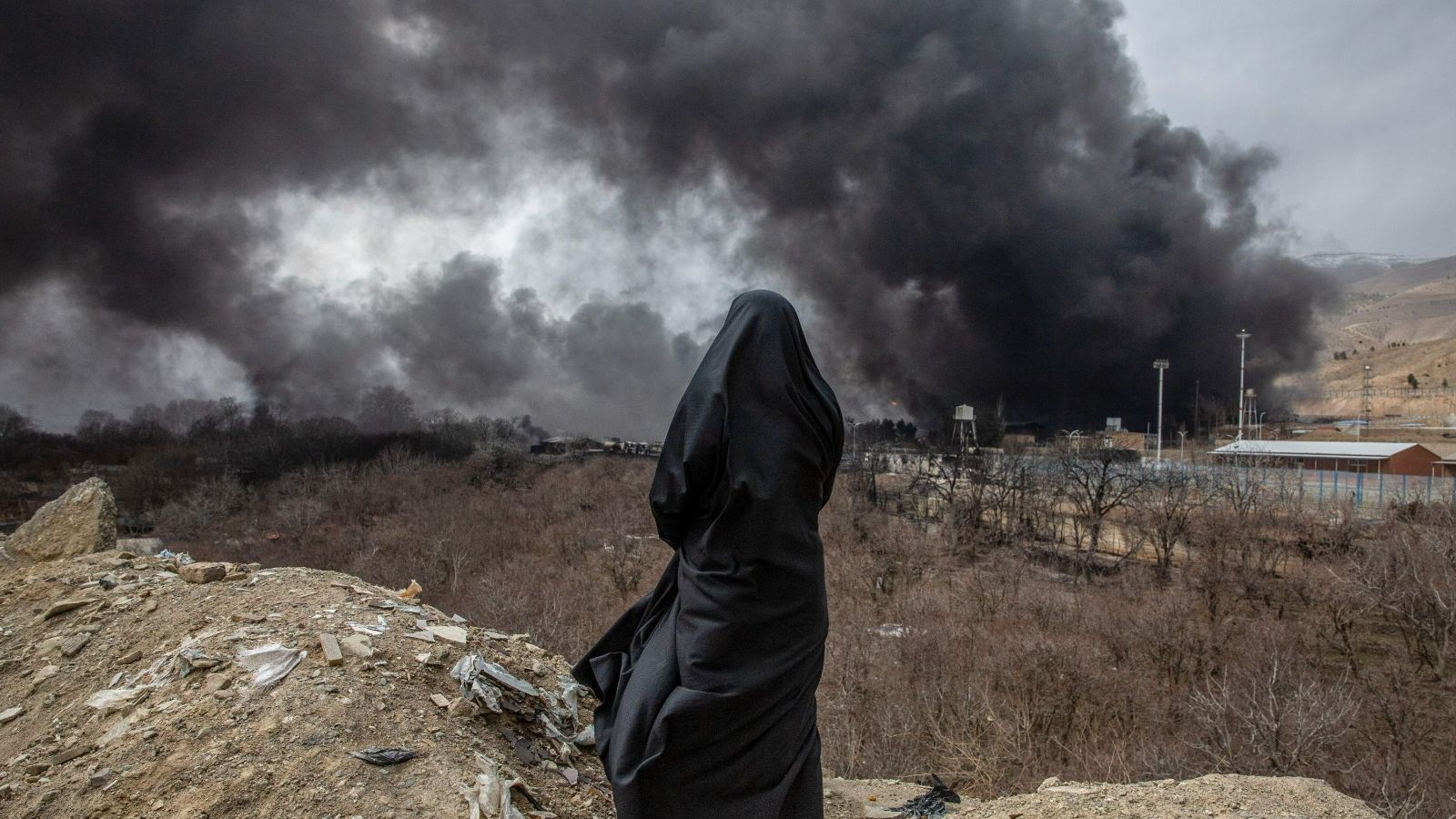
A recent United Nations Security Council session highlighted Iran's international isolation, according to Hasht-e Subh. A resolution condemning Iran's actions, proposed by Bahrain, was adopted, while a Russian draft for a ceasefire was rejected. China and Russia, described as Iran's strategic allies, abstained rather than voting against the Bahrain resolution.
The outlet attributes Iran's predicament to several factors. First, Iran is portrayed as an anti-system actor opposing the Western-dominated global order, though this opposition is framed as primarily targeting U.S. leadership rather than the system itself. It suggests that under Donald Trump, the U.S. seeks to either integrate Iran into the system through force or negotiation or remove it if unsuccessful. This stance is said to lack support even from allies like Russia and China.
Second, Iran's ideological enmity toward Israel is cited as a key contributor to its isolation. Hasht-e Subh notes that Iran has pursued Israel's destruction since its inception, arming regional forces that threaten other countries' interests. This policy is described as flawed, unauthorized internationally, and a barrier to normalizing relations with the West, particularly the U.S. Even China and Russia are said to disapprove of this overt hostility.
Third, Iran's opposition to Israel and the Western order has left it without loyal friends in the East. Despite recent attacks on Iran attributed to the U.S., most countries have refrained from condemnation. European nations are portrayed as following U.S. policy, while Arab states fear Washington and welcome Iran's weakening. In contrast, during a previous "12-day war," many condemned Israeli strikes on Iran, as the U.S. was not directly involved beyond nuclear facility bombings.
The analysis underscores U.S. influence in shaping international consensus, even if perceived as unfair by some.
Read the original reporting at Hasht-e Subh →
Reliability assessment
Single opinion/analysis piece from Hasht-e Subh without direct on-record attribution, named officials, specific dates beyond publication, or checkable details on the UNSC session or attacks; core events like the resolution and abstentions are presented without corroboration or primary sourcing.
The source language mixes facts with framing or advocacy wording. "Iran is lonely and desolate" (emotional framing of isolation); "anti-system actor" and "rogue and playful actor" (pejorative ideological labeling); "pathological and irreconcilable enmity" with Israel (heightens conflict with loaded adjectives). These mix analysis with opinionated, emotionally tinged phrasing.
Across the newsrooms
Filed by
Hasht-e Subh
Originating
Filed under
International — Iran, UN Security Council, Bahrain, Russia, China
Reader supported
Keep Ehtebar running
Every published story uses paid tools to translate reporting, compare sources, extract claims, and produce a clearer read on Afghanistan. Reader support helps keep that work independent.
€5
helps cover daily verification runs
€15
supports a week of source comparison
€50
keeps independent analysis moving