INTERNATIONAL — March 12, 2026
Hasht-e Subh Analyzes Trump's Approach to US-Israel Conflict with Iran
Hasht-e Subh commentary highlights the implications of a US-Israel war with Iran for Afghan migrants and regime parallels, criticizing Trump's inconsistent strategy and historical US failures in the region.
The Ehtebar Desk — originates with Hasht-e Subh — 2 min read

Hasht-e Subh argues that understanding the US and Israel conflict with Iran is essential for Afghans due to millions of Afghan migrants living in Iran and the direct political and economic impact on Afghanistan from the survival or fall of a similar Islamic regime.
The outlet contends that the White House and Tel Aviv calculated that removing Iran's Supreme Leader Ali Khamenei would cause the regime to collapse, with people rising up for freedom. However, this has not occurred; the regime has shown strong resilience even without its leader and is now reportedly led by Khamenei's son. This situation frustrates Trump, who desires a quick and ruthless victory and dislikes prolonged wars or disruptions in energy markets.
Trump faces pressure from US public opinion and Democrats over his unclear objectives. His statements vary: demanding unconditional surrender one day, claiming a role in selecting Iran's leadership the next, and later urging Iranians to determine their own fate. Under media scrutiny, he has alleged that Iranians secretly obtained a Tomahawk missile and fired it at a school in Minab, a claim dismissed by observers.
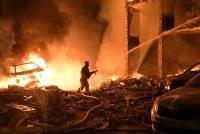
Meanwhile, Iran's missile and drone attacks on Gulf states and Israel are increasing, alarming US regional partners who question when the conflict will end. Hasht-e Subh views the war as the culmination of half a century of enmity, with slogans like 'Great Satan' for the US and 'Little Satan' for Israel, but notes that ending it without regime change seems impossible, complicated by oil prices and Trump's preferences.
Critics like Senator Bernie Sanders call the war unjust, serving Netanyahu at US expense. Doubts persist about trusting Trump, Pete Hegseth, and Netanyahu to conclude the conflict successfully, citing past US failures in Iraq and Afghanistan—abandoned projects leaving locals to suffer—and Netanyahu's unfinished operations in Gaza. The outlet laments US foreign policy's disregard for Middle Eastern dignity and expresses concern for Afghan migrants' fate amid the chaos, noting their pre-existing discrimination.
Read the original reporting at Hasht-e Subh →
Reliability assessment
Single opinion/commentary piece presenting speculative analysis of a hypothetical or future conflict scenario with no concrete, checkable details, named attributions for events, or corroboration.
The source language mixes facts with framing or advocacy wording. Phrases like 'ruthless and urgent desire for victory' (میل بیرحمانه به پیروزی), 'insane-making' (دیوانهکننده), and descriptions of US projects as 'failed and full of mistakes' (پروژههایی ناکام و پر از اشتباه) infuse emotional judgment and advocacy into the analysis.
Across the newsrooms
Filed by
Hasht-e Subh
Originating
Filed under
International — Trump, Iran, Afghan migrants, US policy, Israel
Reader supported
Keep Ehtebar running
Every published story uses paid tools to translate reporting, compare sources, extract claims, and produce a clearer read on Afghanistan. Reader support helps keep that work independent.
€5
helps cover daily verification runs
€15
supports a week of source comparison
€50
keeps independent analysis moving