
POLITICS — February 24, 2026
Hasht-e Subh Examines Speculated US Role in Pakistan-Taliban Tensions
Hasht-e Subh analyzes Taliban claims of Pakistani military factions advancing a major power's destabilization agenda against Afghanistan, speculating on US motives amid warming US-Pakistan ties under Trump.
The Ehtebar Desk — originates with Hasht-e Subh — 2 min read
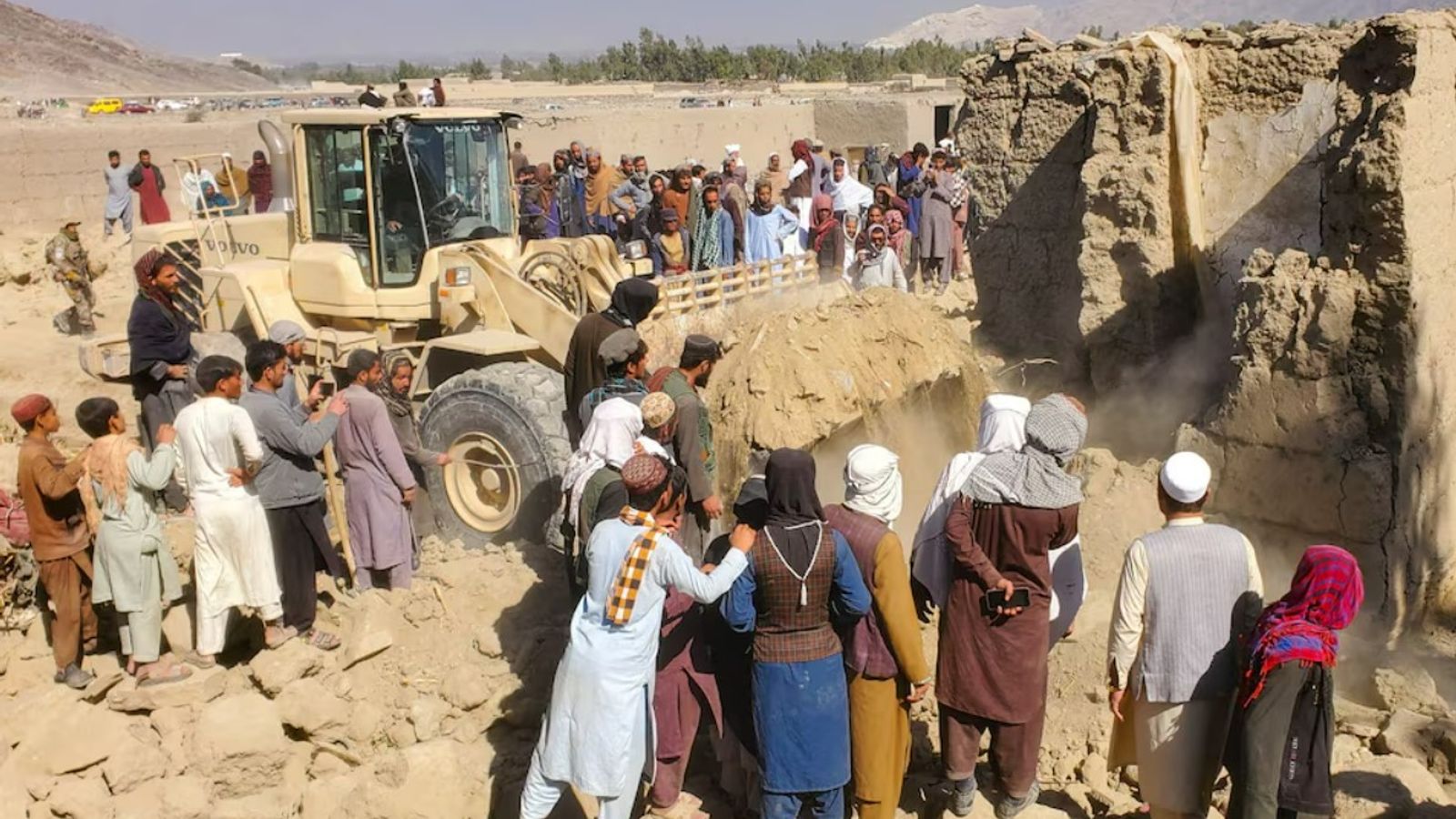
Hasht-e Subh has published an analysis suggesting potential US involvement in escalating tensions between Pakistan and the Taliban, though it notes no strong documented evidence has been presented. The piece highlights claims by Taliban spokesperson Zabihullah Mujahid, who in a recent interview with a domestic media outlet stated that portions of the Pakistani military support attacks on Afghanistan as part of a major power's project to destabilize the region. Mujahid has made similar assertions previously, including during Pakistan's attacks and negotiations in Doha and Istanbul. The analysis interprets Mujahid's reference to 'portions of the Pakistani military' as targeting Army Chief General Asim Munir, who has issued strong warnings against the Taliban, and implies the major power is the United States without naming it explicitly.
The article portrays Mujahid's statements as calculated to depict Pakistan's political system as divided between civilian and military branches, with the military itself split. It speculates on US motives for supporting Pakistan against the Taliban, including revenge for the US withdrawal from Afghanistan—described by former President Donald Trump as a fiasco—fulfillment of alliance commitments against terrorism, and a softening of Trump's stance toward Pakistan compared to his first term, when he labeled it a 'huckster.' Recent interactions are cited, such as Pakistani Prime Minister Shehbaz Sharif calling Trump a 'peace hero' at a Washington peace summit on Gaza, with Trump responding positively, expressing fondness for Sharif and praising General Munir.
Taliban officials have repeatedly claimed Pakistan advances major powers' destabilization efforts, separating the Pakistani people from its political system. The analysis questions why the US might back Pakistan, potentially extending to actions against the Afghan Taliban amid ongoing Pakistan-TTP conflicts.
Read the original reporting at Hasht-e Subh →
Reliability assessment
Single source reporting second-hand attribution of Taliban spokesperson Zabihullah Mujahid's claims from a domestic media interview; core speculations on US involvement lack concrete evidence and are analytical rather than verified events.
The source language mixes facts with framing or advocacy wording. Loaded phrases include 'scandalous withdrawal' (emotional framing of US exit), 'huckster' (derogatory label for Pakistan from Trump context), and speculative revenge motives ('Taliban should suffer some torment from Pakistan'), blending opinion with reporting.
Across the newsrooms
Filed by
Hasht-e Subh
Originating
Filed under
Politics — Taliban, Pakistan, United States, Zabihullah Mujahid, Asim Munir
Reader supported
Keep Ehtebar running
Every published story uses paid tools to translate reporting, compare sources, extract claims, and produce a clearer read on Afghanistan. Reader support helps keep that work independent.
€5
helps cover daily verification runs
€15
supports a week of source comparison
€50
keeps independent analysis moving
More in Politics
Islamic Emirate Leader Orders 21 New Appointments Across Government Posts
— Reliable
Discussion Held on Presenting Achievements of Government Program in Media
— Reliable
Supreme Court of the Islamic Emirate of Afghanistan Outlines Judicial Reforms and Achievements
— Unverified
Ministry of Information and Culture of the Islamic Emirate of Afghanistan Announces Annual Activities and Achievements
— Reliable