
POLITICS — February 16, 2026
Hasht-e Subh Questions Sincerity of Taliban Defense Minister's Unity Call
Hasht-e Subh analyzes Taliban Defense Minister Mohammad Yaqub Mujahid's speech on unity during the Soviet withdrawal anniversary, questioning if it reflects genuine intent or mere rhetoric amid ongoing internal divisions.
The Ehtebar Desk — originates with Hasht-e Subh — 2 min read
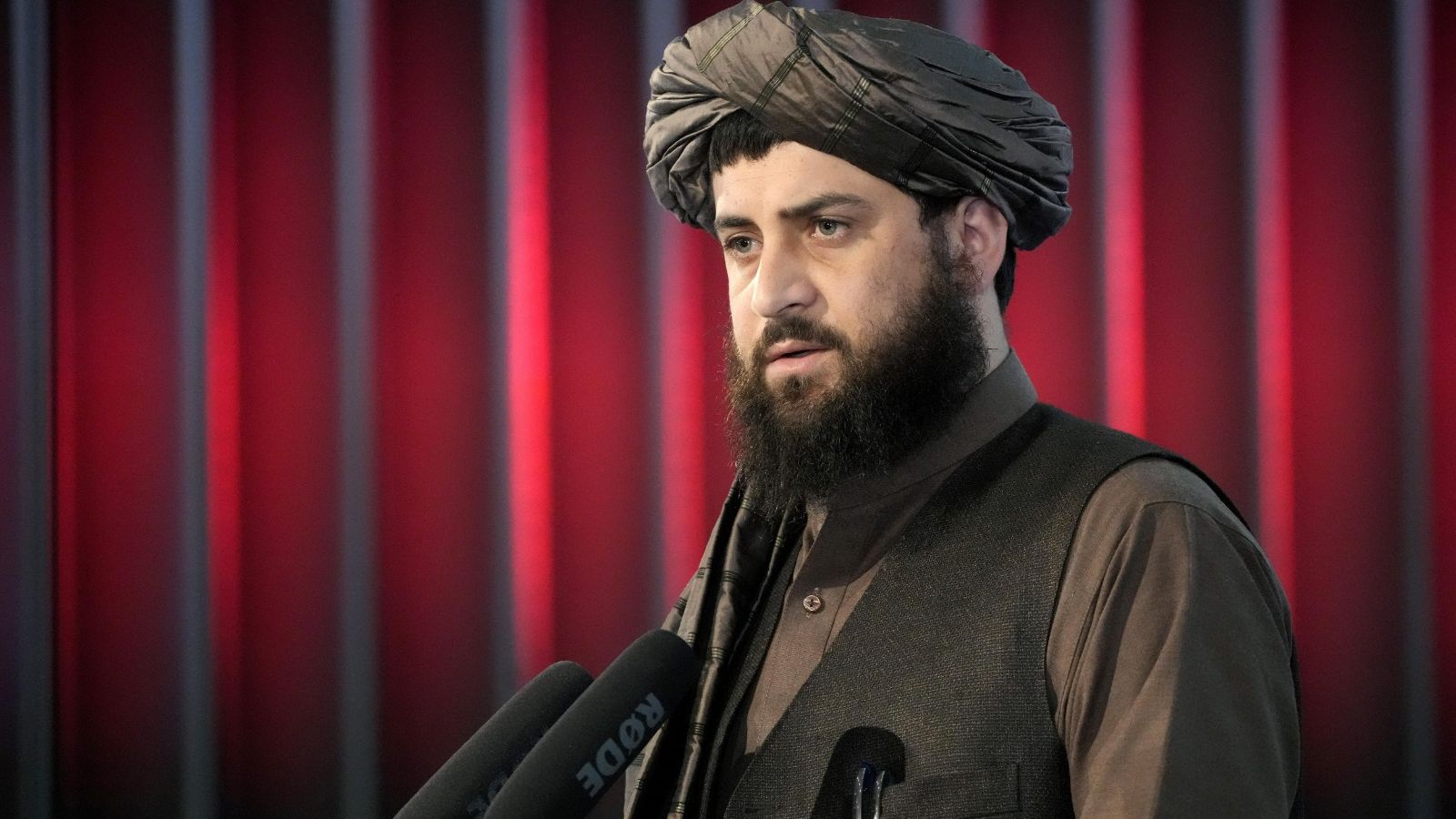
Taliban Defense Minister Mohammad Yaqub Mujahid urged attendees at a ceremony in Kabul marking the anniversary of the Soviet military withdrawal from Afghanistan on February 15 (26 Dalwa) to forget past grievances and focus on unity. In his speech, Mujahid said: "Forget the past. Think about the future. Don't think about which faction this one was with or that one. Don't think this person did this or that against us and today is the day of revenge. If you think of revenge, this blessing won't last. Think about the result. Ethnic and linguistic prejudices are narrow-mindedness. Don't do something that wise people call you crazy. We must leave a white and proud history, not one written in black or red."
Hasht-e Subh notes that Mujahid's audience was primarily Taliban members, and similar calls for unity and avoidance of revenge have been made by other senior Taliban figures, including Interior Minister Sirajuddin Haqqani and leader Hibatullah Akhundzada. Recent reports indicated Akhundzada emphasized preserving multilingual signs on buildings to promote unity.
The outlet identifies Mujahid, Haqqani, and Akhundzada as key power blocs within the Taliban regime, from whom others seek obedience. It questions why their public emphasis on unity is not reflected in the regime's daily operations, proposing two hypotheses: either such statements are rhetorical and populist, intended for domestic and international consumption without addressing core issues; or subordinates disregard them, though the second is deemed unlikely given the regime's centralized structure under Akhundzada in Kandahar.
Hasht-e Subh argues that the Taliban's concept of unity implies "unity in obedience" rather than participatory inclusion, acceptance of social-cultural diversity, or equitable power-sharing. Non-revengeseeking, in this view, means avoiding overt killings but not addressing emerging ethnic-linguistic discrimination.
The piece suggests Taliban leaders invoke unity on emotionally resonant occasions like the Soviet withdrawal anniversary, viewed positively by many Afghans, to exploit public sentiment rather than signal policy shifts.
Read the original reporting at Hasht-e Subh →
Reliability assessment
Single-source opinion/analysis piece with direct quotes from the speech (concrete attribution) but heavy anti-Taliban bias, speculative hypotheses, and interpretive framing rather than pure factual reporting of events.
Across the newsrooms
Filed by
Hasht-e Subh
Originating
Filed under
Politics — Taliban, Yaqub Mujahid, Unity, Soviet Withdrawal, Kabul
Reader supported
Keep Ehtebar running
Every published story uses paid tools to translate reporting, compare sources, extract claims, and produce a clearer read on Afghanistan. Reader support helps keep that work independent.
€5
helps cover daily verification runs
€15
supports a week of source comparison
€50
keeps independent analysis moving
More in Politics

Islamic Emirate Leader Orders 21 New Appointments Across Government Posts
— Reliable

Discussion Held on Presenting Achievements of Government Program in Media
— Reliable
Supreme Court of the Islamic Emirate of Afghanistan Outlines Judicial Reforms and Achievements
— Unverified
Ministry of Information and Culture of the Islamic Emirate of Afghanistan Announces Annual Activities and Achievements
— Reliable