INTERNATIONAL — June 22, 2026
Human Rights Watch Criticizes EU Plans for Talks with Taliban on Afghan Migrant Returns
The rights group warned that the contradictory approach undermines the EU's credibility and could expose returnees to risks including torture and arbitrary detention.
The Ehtebar Desk — originates with Amu TV — 2 min read
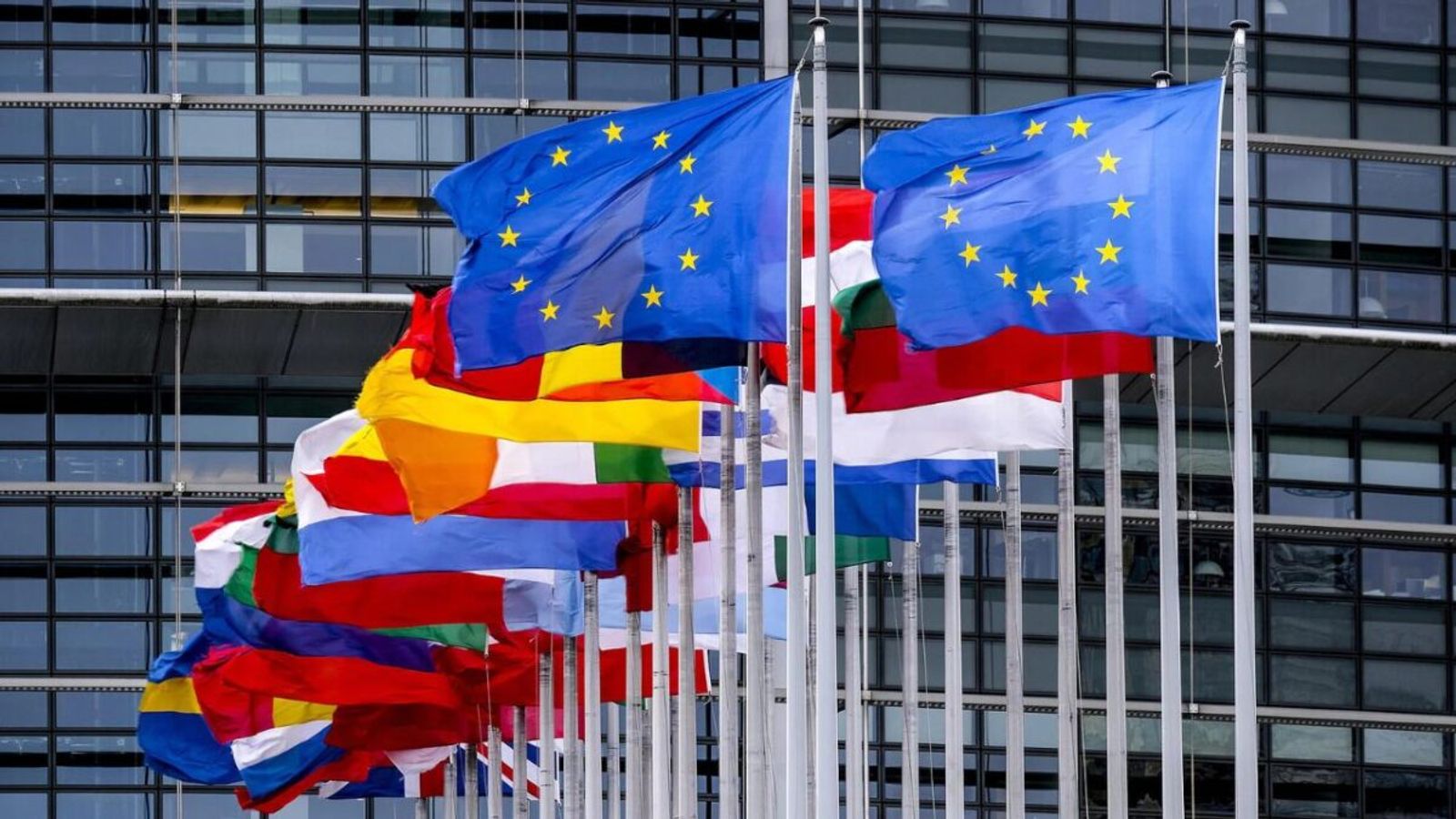
Human Rights Watch has called on European countries to refrain from cooperating with the Taliban on the return of Afghan migrants while the group faces condemnation for human rights abuses. The organization highlighted the inconsistency in the European Union's position as it prepares for talks in Brussels on this issue.
The planned discussions aim to establish mechanisms for returning Afghan migrants. However, Human Rights Watch contends that this engagement sends mixed signals about the EU's commitment to human rights principles.
Farshita Abbasi, Afghanistan researcher at Human Rights Watch, noted that inviting Taliban officials to the Belgian capital creates contradictory messages. She stressed the need for any interactions to focus on advancing human rights and ensuring accountability for violations.
Rights organizations have repeatedly stated that conditions in Afghanistan do not allow for safe returns. They point to ongoing threats such as torture, arbitrary arrests, and forced disappearances that could affect those deported back to the country.
The criticism from Human Rights Watch comes at a time when the European Commission is considering hosting a delegation from the Taliban to address migration matters. The organization urges that human rights concerns take precedence in all dealings with the Taliban.
By maintaining condemnations alongside cooperation on returns, the EU risks damaging its reputation as a defender of human rights, according to the group. Human Rights Watch advocates for a consistent policy that protects vulnerable populations from being returned to unsafe environments.
Read the original reporting at Amu TV →
Reliability assessment
Single source provides direct on-record attribution to named HRW researcher Farshita Abbasi; core claims concern verifiable statements made by HRW and reported EU plans rather than unconfirmed events
The source language mixes facts with framing or advocacy wording. Amu TV: "contradictory position", "undermining their own credibility", "sends contradictory messages" — these phrases frame the EU's actions as hypocritical and damaging, mixing factual reporting with evaluative language that implies moral inconsistency.
Across the newsrooms
Filed by
Amu TV
Originating
Framed
Framed
Filed under
International — Human Rights Watch, European Union, Taliban, Afghan migrants, Brussels
Reader supported
Keep Ehtebar running
Every published story uses paid tools to translate reporting, compare sources, extract claims, and produce a clearer read on Afghanistan. Reader support helps keep that work independent.
€5
helps cover daily verification runs
€15
supports a week of source comparison
€50
keeps independent analysis moving