
POLITICS — April 20, 2026
Islamic Emirate Directs Agencies to Facilitate Residential Construction
The Prime Minister of the Islamic Emirate has directed government agencies to issue residential construction permits for those with valid land documents in a bid to resolve the housing crisis affecting returnees, while instructing security forces not to interfere and requiring mapping of prohibited areas.
The Ehtebar Desk — originates with Hasht-e Subh — corroborated by Hurriyat, ToloNews and Omid Radio — 2 min read
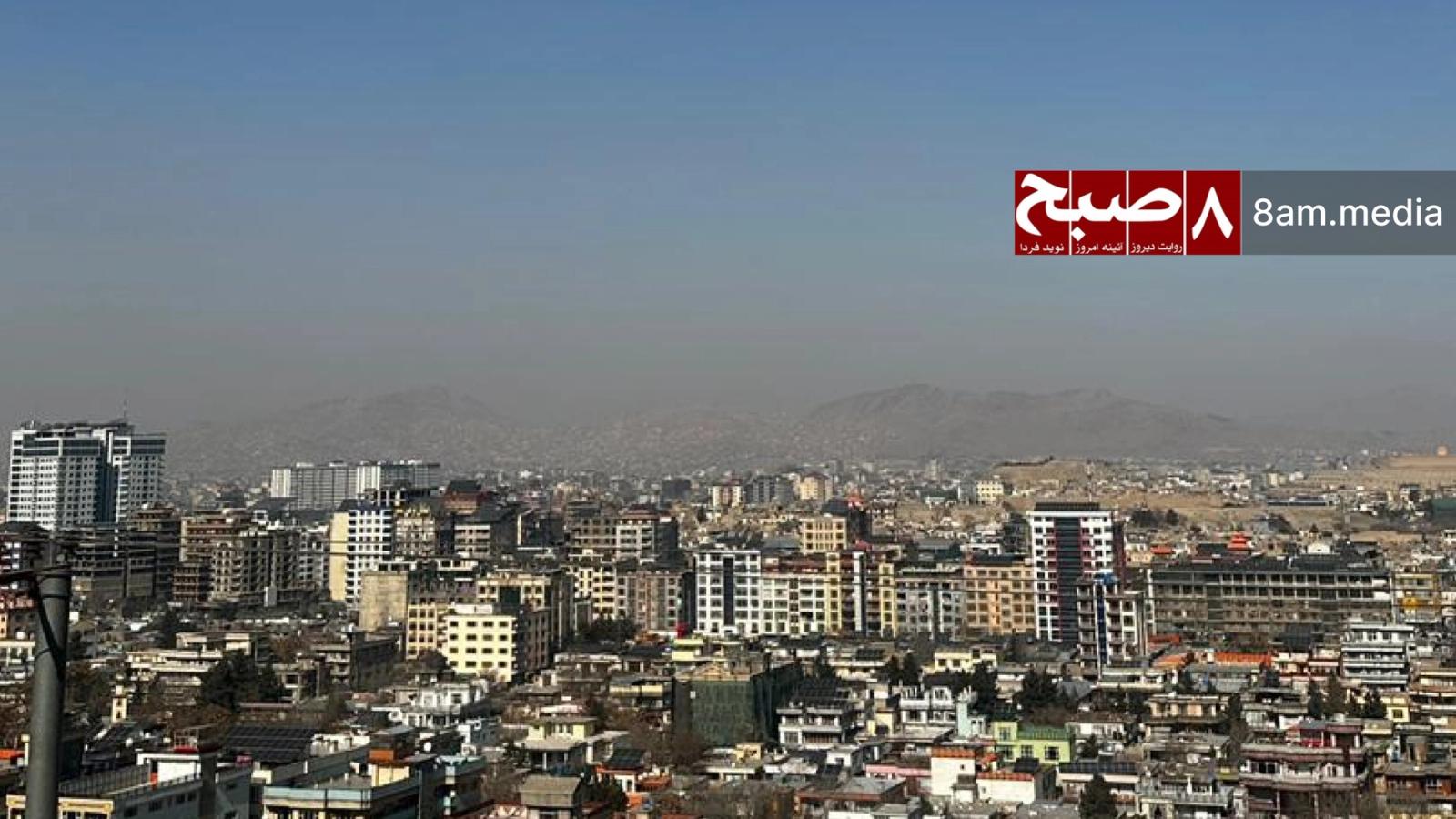
The Prime Minister of the Islamic Emirate, Mullah Mohammad Hassan Akhund, has issued a directive instructing all government institutions to facilitate the issuance of permits for the construction of new residential houses across the country.
The order aims to address severe housing shortages and shelter problems, particularly for Afghans returning from neighboring countries. Officials say the crisis has led to a sharp rise in rental prices and increased homelessness in urban centers including Kabul.
Under the directive, individuals must possess valid documentation such as Sharia deeds, finance tickets, customary or transaction documents, or confirmation from a mosque imam. Security forces and fighters have been ordered not to interfere in building activities without a request from municipal authorities.
Municipalities and the land authority are required to map prohibited areas and zones for urban expansion within one month. Construction is to be limited to residential buildings of up to three stories without basements in allowable areas, and the permits do not confer land ownership rights. The New Kabul project is exempt from these measures.
The policy was developed collaboratively by several ministries in response to public demands for simpler procedures. It applies throughout the country, with coordination required between builders and local authorities.
Read the original reporting at Hasht-e Subh →
Reliability assessment
Four independent Afghan outlets (Hasht-e Subh, Hurriyat, Omid Radio, ToloNews) consistently corroborate the core event of a Taliban Prime Minister's Office directive issued on or around 20 April 2026 to allow housing construction with documentation requirements to address the returnee housing crisis. Minor variations in scope, exact wording, and level of detail are normal in multi-source coverage and do not undermine the existence of the policy announcement.
The source language reads straight.
Across the newsrooms
Where reports agree
- Directive issued from the Prime Minister's Office under Mullah Mohammad Hassan Akhund to facilitate house building
- Primary goal is solving housing/shelter crisis for returnees and the general public amid rising homelessness
- Valid land documents plus mosque imam confirmation are required to obtain permits
- Security forces instructed not to interfere with or create problems for construction
- Municipalities and land authorities have key roles including mapping and coordination
- Construction must follow specific rules and not occur in prohibited areas
Where reports differ
- Scope: limited permission in Kabul and other major cities (Hasht-e Subh) versus permission throughout the country including Kabul (Hurriyat)
- Level of detail provided: ToloNews gives extensive conditions for planned/non-planned areas, 3-story limits, and exemptions; other sources are more general
- Issuer description varies slightly (Prime Minister directly, via Administrative Deputy, or Council of Ministers)
- Exact document names vary slightly across reports (e.g. 'tax ticket' vs 'finance ticket' vs 'customary document')
Filed by 4 outlets
Hasht-e Subh
Originating
Reported straight
Reported straight
Hurriyat
Reported straight
Reported straight
ToloNews
Reported straight
Reported straight
Omid Radio
Reported straight
Reported straight
Filed under
Politics — Taliban, Mullah Mohammad Hassan Akhund, Housing Policy, Construction Permits, Returnees
Reader supported
Keep Ehtebar running
Every published story uses paid tools to translate reporting, compare sources, extract claims, and produce a clearer read on Afghanistan. Reader support helps keep that work independent.
€5
helps cover daily verification runs
€15
supports a week of source comparison
€50
keeps independent analysis moving
More in Politics

Islamic Emirate Leader Orders 21 New Appointments Across Government Posts
— Reliable

Discussion Held on Presenting Achievements of Government Program in Media
— Reliable
Supreme Court of the Islamic Emirate of Afghanistan Outlines Judicial Reforms and Achievements
— Unverified
Ministry of Information and Culture of the Islamic Emirate of Afghanistan Announces Annual Activities and Achievements
— Reliable