
ECONOMY — March 20, 2026
Islamic Emirate Reports Economic Growth in Solar Year 1404 with Infrastructure Progress and Trade Challenges
Afghanistan's economy grew in solar year 1404 per World Bank data, with $11 billion in electricity contracts, $250 million in manufacturing investments, and advances on key projects like Qoshtepa Canal and TAPI. Trade disruptions with Pakistan led to over $1 billion in losses but were offset by alternative routes boosting exports 77% and new regional agreements.
The Ehtebar Desk — originates with ToloNews — corroborated by RTA — 2 min read
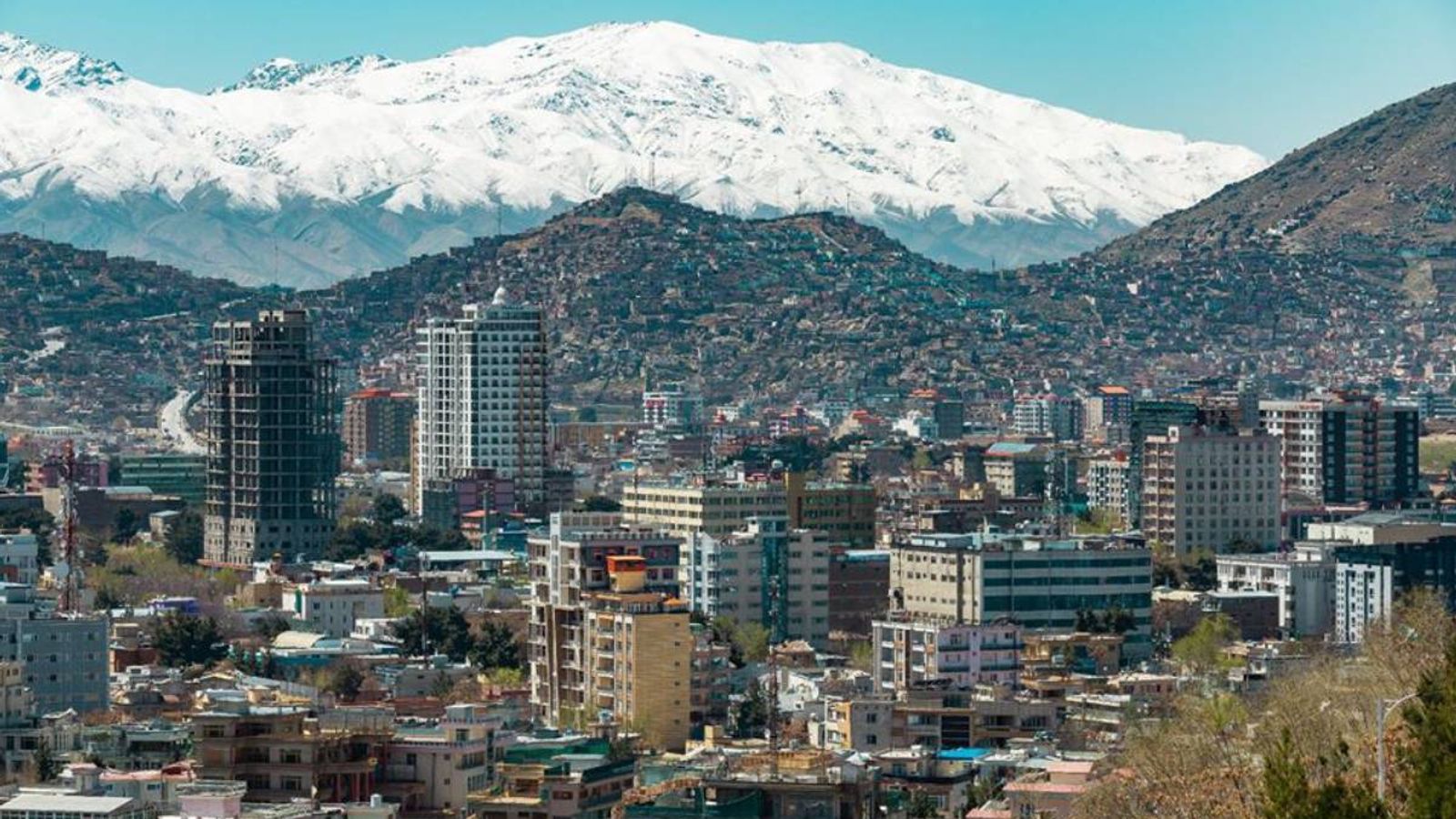
Afghanistan's economy grew in the solar Hijri year 1404 according to a World Bank report, with contracts worth $11 billion signed in the electricity sector and nearly $250 million invested in manufacturing and factories, including can-making, iron smelting, raisin and pomegranate processing, cement, and flour.
Significant progress was made on major infrastructure projects, including 98% completion of the second section of the Qoshtepa irrigation canal, 96% progress on the groundwork of the TAPI project, 70% progress on the Wakhan Economic Corridor, a 15-year extension of the Aynak Copper contract, resumption of the CASA-1000 project, and the start of Semti Gold extraction in Takhar.
Abdul Salam Hanafi, deputy of the Prime Minister's Office, said the Islamic Emirate has strongly supported investments through various policies and facilities for domestic and foreign investors.
Hamidullah Fitrat, deputy spokesman of the Islamic Emirate of Afghanistan, stated that the Islamic Emirate is committed to completing its portion of the TAPI project as soon as possible, starting with the first phase to Herat and extending to other areas.
The Ministry of Industry and Commerce sought to expand trade with neighboring countries, but a halt in trade with Pakistan caused more than $1 billion in losses to traders. In response, the Islamic Emirate banned imports of medicine from Pakistan and pursued alternative routes through Central Asian countries, leading to a 77% increase in exports and 43% in imports.
Mullah Abdul Ghani Baradar, economic deputy of the Prime Minister's Office, insisted on open trade roads with Pakistan during fruit seasons, criticizing closures under pretexts. Nooruddin Azizi, Minister of Industry and Commerce, noted problems with trade to Pakistan and India, and efforts to develop new routes via Chabahar.
Trade agreements were signed with Uzbekistan, Kyrgyzstan, Iran, Pakistan, and Dagestan in Russia, including preferential tariffs and memorandums of understanding.
Read the original reporting at ToloNews →
Reliability assessment
Corroborated by two outlets (ToloNews, RTA) reporting on World Bank data for economic growth, electricity contracts, manufacturing investments, and infrastructure progress on projects like Qoshtepa Canal and TAPI.
The source language reads straight.
Across the newsrooms
Where reports agree
- Economic growth and major infrastructure projects progressed in solar year 1404
- Trade challenges with Pakistan offset by alternative routes and new agreements
- Named officials provided on-record statements on investments and projects
Filed by 2 outlets
ToloNews
Originating
Reported straight
Reported straight
RTA
Framed
Framed
Filed under
Economy — Solar Hijri 1404, Islamic Emirate, TAPI Project, Qoshtepa Canal, Wakhan Corridor
Reader supported
Keep Ehtebar running
Every published story uses paid tools to translate reporting, compare sources, extract claims, and produce a clearer read on Afghanistan. Reader support helps keep that work independent.
€5
helps cover daily verification runs
€15
supports a week of source comparison
€50
keeps independent analysis moving
More in Economy
Economic Commission Approves 37 Domestic Standards and 12 Testing Methods
— Reliable

Taliban Governor Says Around 700 Mines Under Extraction in Panjshir
— Reliable
Daily Production at Baghlan's Ghori Cement Factory Increases to 700 Tons
— Reliable

Two Irrigation and Flood-Prevention Projects Completed in Zabul
— Reliable