INTERNATIONAL — June 25, 2026
Lebanese Source Disputes Israeli Withdrawal from Southern Lebanon Buffer Zone
A Lebanese military source told Al Jazeera that Israeli forces have not left any occupied areas, directly contradicting a U.S. official's claim of partial withdrawal from the buffer zone as a goodwill gesture.
The Ehtebar Desk — originates with Khaama Press — 2 min read
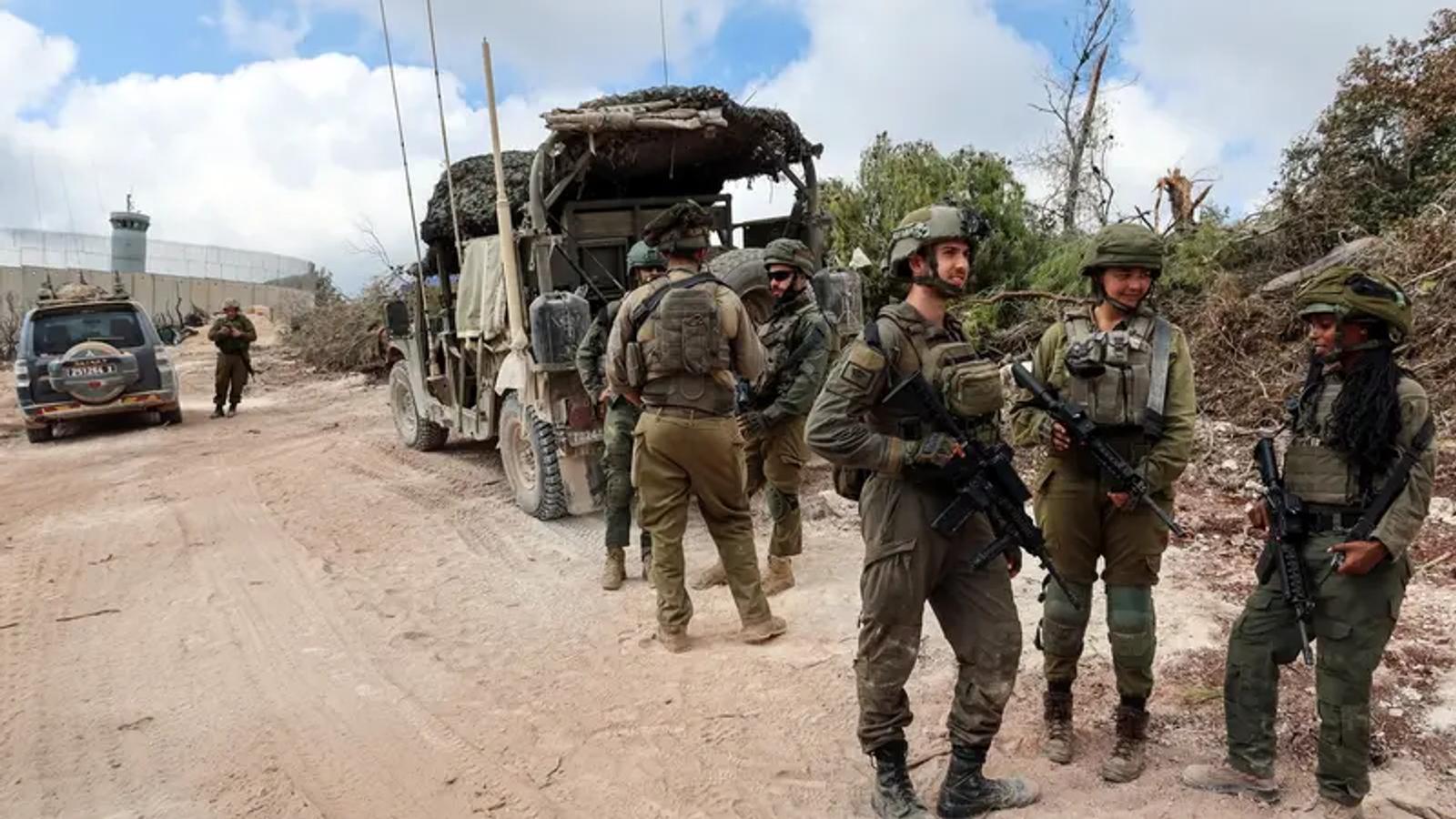
A Lebanese military source told Al Jazeera that Israeli forces remain deployed across all areas of southern Lebanon occupied during recent fighting with Hezbollah. This account directly contradicts a U.S. official's statement to Reuters that Israel had withdrawn from parts of the border buffer zone as a goodwill gesture.
The disagreement comes amid broader diplomatic contacts between Washington and Tehran. The two sides agreed after talks in Bürgenstock to pursue a wider settlement aimed at lowering regional tensions.
Fighting between Israel and Hezbollah grew more intense after the Gaza war began, producing cross-border fire, airstrikes, and Israeli military operations inside Lebanon. The clashes displaced tens of thousands of civilians living on both sides of the Israel-Lebanon border.
The Lebanese military source rejected any assessment that Israel had vacated portions of the buffer zone. Disagreements persist over security arrangements, Hezbollah's role, and requirements for a durable ceasefire.
International efforts continue to prevent further escalation while mediators seek to verify the situation on the ground. The conflicting descriptions of Israeli positions highlight difficulties in confirming military movements in the contested areas.
Read the original reporting at Khaama Press →
Reliability assessment
Khaama Press provides direct attribution to a Lebanese military source (via Al Jazeera) and a U.S. official (via Reuters) for the core conflicting statements on withdrawal; background facts on fighting and displacement are presented consistently as established context.
The source language mixes facts with framing or advocacy wording. Khaama Press: "gesture of goodwill", "growing concerns in Israel over Iran’s regional influence", "security threats posed by armed groups" - these phrases introduce mild opinion and emotional framing by characterizing actions positively or highlighting threats without direct attribution.
Across the newsrooms
Filed by
Khaama Press
Originating
Framed
Framed
Filed under
International — Israel, Lebanon, Hezbollah, US-Iran, Southern Lebanon
Reader supported
Keep Ehtebar running
Every published story uses paid tools to translate reporting, compare sources, extract claims, and produce a clearer read on Afghanistan. Reader support helps keep that work independent.
€5
helps cover daily verification runs
€15
supports a week of source comparison
€50
keeps independent analysis moving