
SOCIETY — March 21, 2026
Mothers in northern Afghanistan's Jawzjan province report pregnancy nutrition risks amid poverty
Mothers in Afghanistan's Jawzjan province report that poverty, lack of awareness and external factors like drought are causing malnutrition during pregnancy, leading to health risks for them and their children. Gynecologist Dr. Soraya Qayoumi emphasizes the need for balanced diets to prevent complications such as low birth weight and fetal loss.
The Ehtebar Desk — originates with Pajhwok — 2 min read
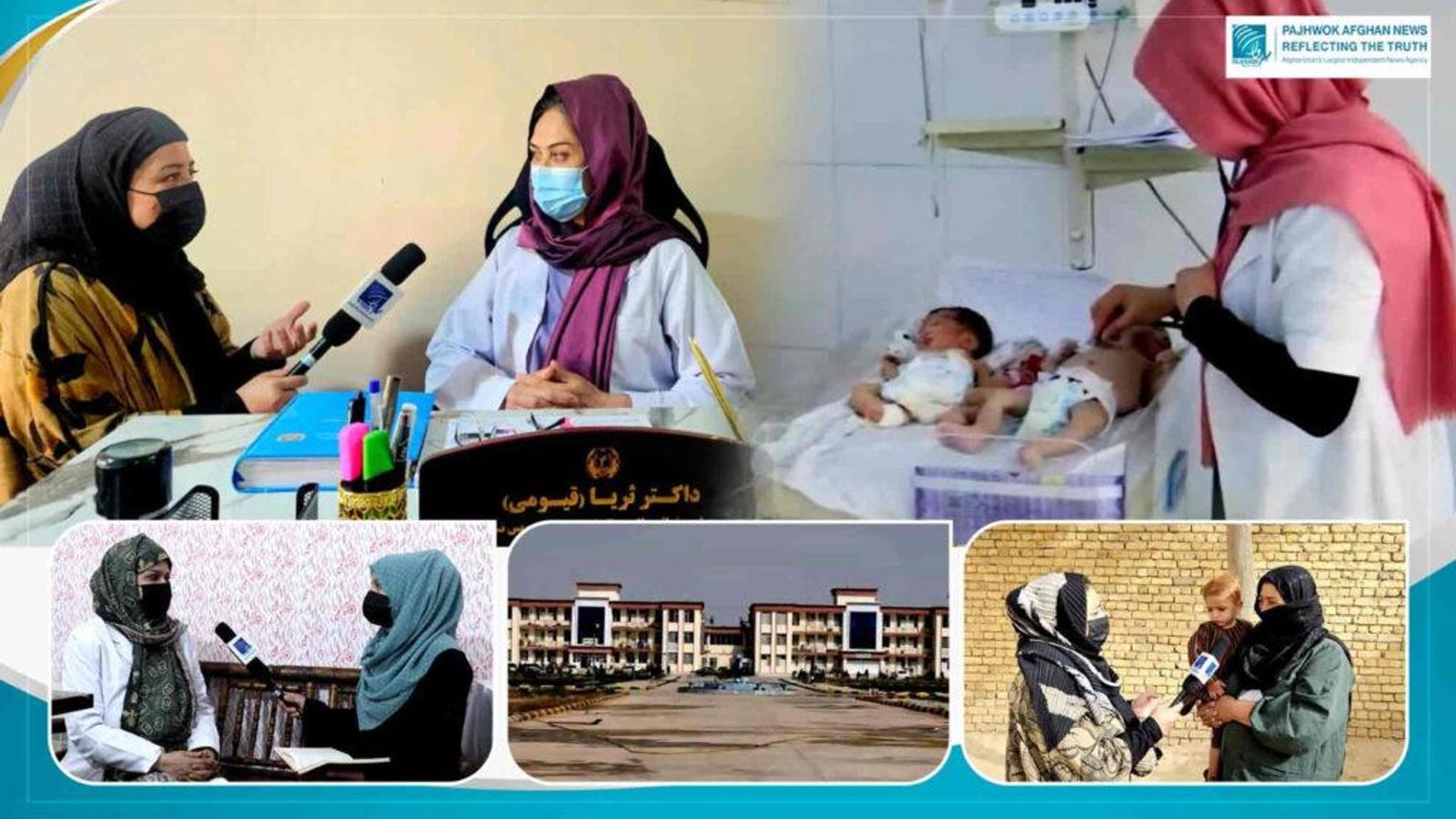
SHIBERGHAN, Afghanistan (Afghan Verified) -- Mothers in northern Jawzjan province say poverty and lack of awareness about proper nutrition during pregnancy are endangering their health and that of their children, with malnutrition worsened by insecurity, drought and rising food prices.
Malnutrition poses a serious public health challenge in Afghanistan, affecting mothers' health and children's growth. Its causes include poverty, insufficient diverse food, low family awareness of healthy nutrition and limited access to health services, especially in rural areas.
Zahra, a 30-year-old resident of Khwaja Du Koh district, said her first pregnancy involved mostly bread and tea due to economic hardships, resulting in a stillborn baby. Now pregnant again, she received advice from a doctor to eat more fruit, vegetables, dairy and eggs, along with nutritional supplements from a clinic.
Fatima, 28, from Nawabad village in Shiberghan, described feeling weak during her first pregnancy despite iron and folic acid supplements. She has since learned to consume fruit, vegetables, sufficient water and affordable options like beans and eggs, as economic issues limit access to meat and fresh produce. Her midwife recommended lentils, beans and eggs as substitutes.
Shakiba, 36, a mother of four from Shiberghan, recounted eating mainly bread and tea while pregnant with her now three-year-old son, whose husband was working in Iran. Lacking guidance from doctors or midwives, her son was born small and remains weak, frequently ill with delayed speech. She now follows doctors' advice on affordable nutritious foods for her expected child in three months.
Dr. Soraya Qayoumi, a gynecology and obstetrics specialist at Jawzjan's provincial hospital, said a mother's body during pregnancy requires balanced nutrition to sustain itself and support fetal growth. Poor nutrition can cause low birth weight, premature delivery, anemia, high blood pressure and fetal loss. She noted folic acid deficiency in early pregnancy risks brain and spinal abnormalities, while later iron and protein shortages lead to maternal weakness, fatigue and depression.
Qayoumi advised pregnant women to prioritize fruits, vegetables, dairy, legumes and avoid excessive tea, coffee, soft drinks and fatty foods.
Read the original reporting at Pajhwok →
Reliability assessment
Single source (Pajhwok) provides direct, on-record quotes from named individuals (Zahra, Fatima, Shakiba) and expert Dr. Soraya Qayoumi with concrete details (specific locations in Jawzjan: Shiberghan, Khwaja Du Koh, Nawabad; provincial hospital). Verifiable fact is 'X said Y' with checkable attribution.
The source language reads straight.
Independent web corroboration
An independent web search turned up no separate corroborating reports. Treat the account as single-sourced until more outlets pick it up.
Across the newsrooms
Filed by
Pajhwok
Originating
Reported straight
Reported straight
Filed under
Society — Jawzjan, Shiberghan, malnutrition, pregnancy, Dr. Soraya Qayoumi
Reader supported
Keep Ehtebar running
Every published story uses paid tools to translate reporting, compare sources, extract claims, and produce a clearer read on Afghanistan. Reader support helps keep that work independent.
€5
helps cover daily verification runs
€15
supports a week of source comparison
€50
keeps independent analysis moving
More in Society
Health Officials and Experts Discuss Rise in Black Jaundice Cases in Afghanistan
— Reliable
Discussion on Agricultural Products and Health Services in Samangan Province
— Reliable
WHO Report Cites Taliban Restrictions and Funding Shortfalls as Threats to Health Services in Afghanistan
— Reliable
Afghan officials report returns of families from Pakistan and Iran alongside releases from Pakistani prisons
— Reliable