
SOCIETY — June 26, 2026
MSF Reports More Than 30 Percent Rise in Severe Child Malnutrition in Southern Afghanistan
More than 1,500 children were admitted with severe malnutrition to one hospital in Helmand province from January to April, more than double the 2022 figure, while the medical charity also highlighted a growing tuberculosis risk linked to the condition.
The Ehtebar Desk — originates with Pajhwok — corroborated by Amu TV — 2 min read
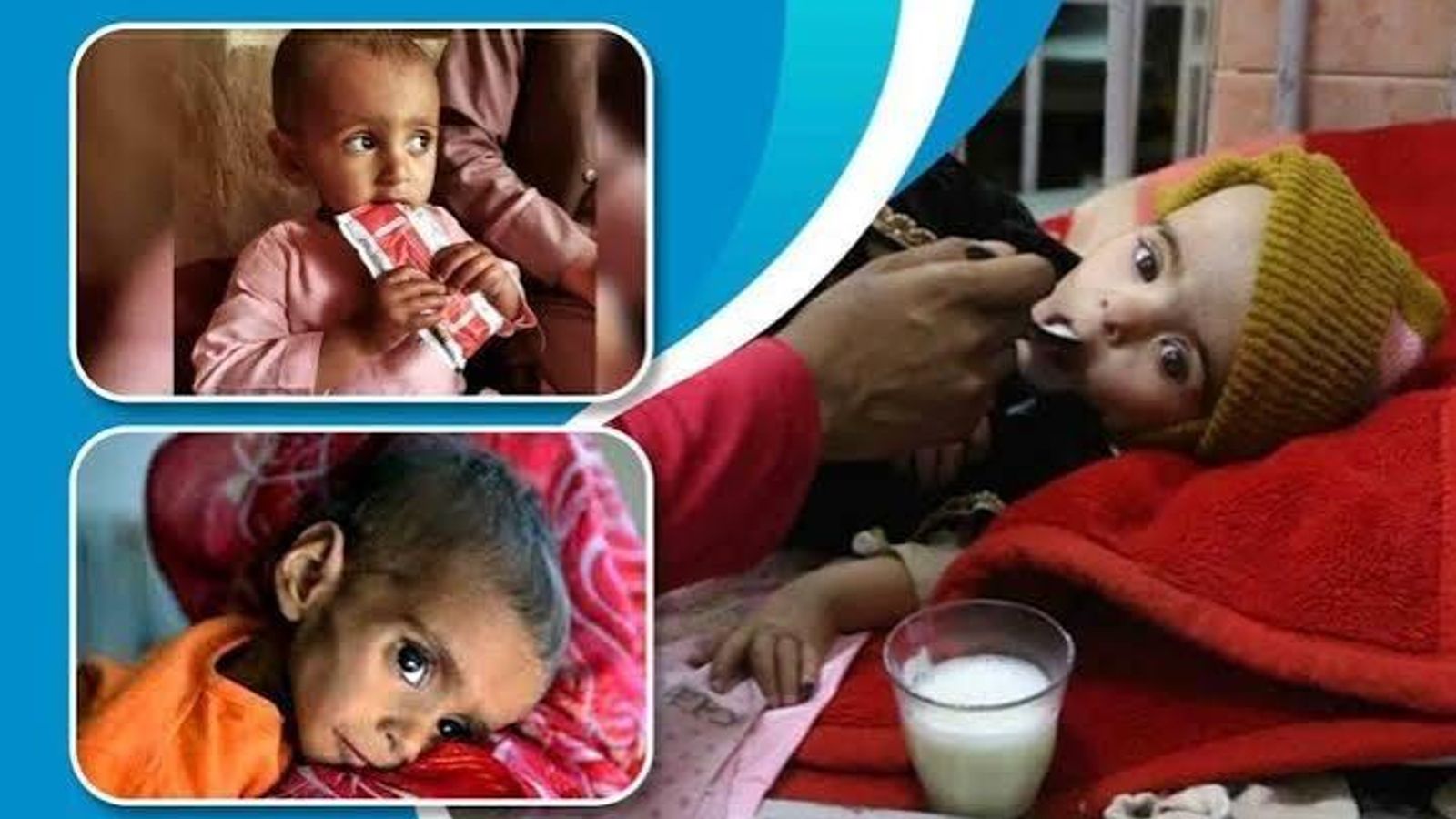
Doctors Without Borders has reported a more than 30 percent increase in severe acute malnutrition cases among children in Helmand and Kandahar provinces from January to April 2026 compared with the prior three-year average.
The organization said more than 1,500 children were admitted with severe malnutrition to Bost Provincial Hospital in Helmand during the period, more than double the 2022 figure. In Kandahar, over 570 children were admitted, of whom 300 were referred for additional care. Many arrived in critical condition after delays in treatment.
MSF warned that rising malnutrition is increasing tuberculosis risk among children, with the two conditions reinforcing each other in a cycle. The group operates inpatient and outpatient malnutrition treatment centers in both provinces and urged families to seek early medical attention for signs of the condition.
It attributed the increase to reduced international aid, ongoing drought, economic problems, and the closure of 445 health facilities since early 2025. Diagnostic challenges and low public awareness were also cited as factors complicating response efforts.
Read the original reporting at Pajhwok →
Reliability assessment
Two independent outlets (Amu TV, Pajhwok) corroborate the core event that MSF has issued a public warning about rising severe child malnutrition in southern Afghanistan. Amu TV provides direct on-record attribution from a named MSF coordinator plus concrete figures; Pajhwok adds supporting detail on the TB connection. Differing emphases do not contradict the underlying MSF report.
The source language mixes facts with framing or advocacy wording. Amu TV: "worsening of food insecurity", "systems ... have also collapsed", "worsening of the humanitarian crisis" — these phrases frame the data with interpretive language suggesting systemic failure and blame, going beyond neutral reporting of statistics.
Independent web corroboration
A separate web search returned 8 matching reports. A selection:
- Afghanistan: Alarming increase in admissions of severely malnourished children in southmsf-switzerland.prezly.com
Between January and April 2026, the admission of severely malnourished children to the MSF-supported inpatient therapeutic feeding centre (ITFC) ...
Between January and April 2026, the admission of severely malnourished children to the MSF-supported inpatient therapeutic feeding centre (ITFC) in southern Afghanistan increased by over 30 per cent on average compared to the same period over ...
The medical charity said admissions of children with severe acute malnutrition and medical complications to its inpatient therapeutic feeding centers in southern Afghanistan rose by more than 30 percent between January and April compared with ...
Across the newsrooms
Where reports agree
- MSF has publicly reported a significant rise in severe child malnutrition cases in southern Afghanistan, particularly Helmand and Kandahar provinces
- Many affected children are arriving at MSF facilities in critical condition requiring urgent care
- MSF runs specialized malnutrition treatment centers in the affected southern provinces
- MSF urges families to seek early medical treatment for signs of malnutrition
Where reports differ
- Amu TV emphasizes quantitative increases (30% rise, specific admission numbers) and broader humanitarian causes; Pajhwok emphasizes the link to increased TB risk and includes a specific patient case study
- Only Amu TV provides detailed admission statistics and quotes from MSF coordinator Anna Lilia Banda; Pajhwok provides no numerical figures
Filed by 2 outlets
Pajhwok
Originating
Reported straight
Reported straight
Amu TV
Framed
Framed
Filed under
Society — MSF, malnutrition, Helmand, Kandahar, tuberculosis
Reader supported
Keep Ehtebar running
Every published story uses paid tools to translate reporting, compare sources, extract claims, and produce a clearer read on Afghanistan. Reader support helps keep that work independent.
€5
helps cover daily verification runs
€15
supports a week of source comparison
€50
keeps independent analysis moving
More in Society
Health Officials and Experts Discuss Rise in Black Jaundice Cases in Afghanistan
— Reliable
Discussion on Agricultural Products and Health Services in Samangan Province
— Reliable
WHO Report Cites Taliban Restrictions and Funding Shortfalls as Threats to Health Services in Afghanistan
— Reliable
Afghan officials report returns of families from Pakistan and Iran alongside releases from Pakistani prisons
— Reliable