
POLITICS — March 13, 2026
Opposition leaders warn Taliban rule will not continue during Mazari anniversary event
Afghan opposition leaders including Abdul Rashid Dostum, Sarwar Danish and Ahmad Massoud criticized the Taliban during a virtual commemoration of Abdul Ali Mazari's 31st death anniversary, warning their rule will end and calling for unity and resistance.
The Ehtebar Desk — originates with Afghanistan International — 2 min read
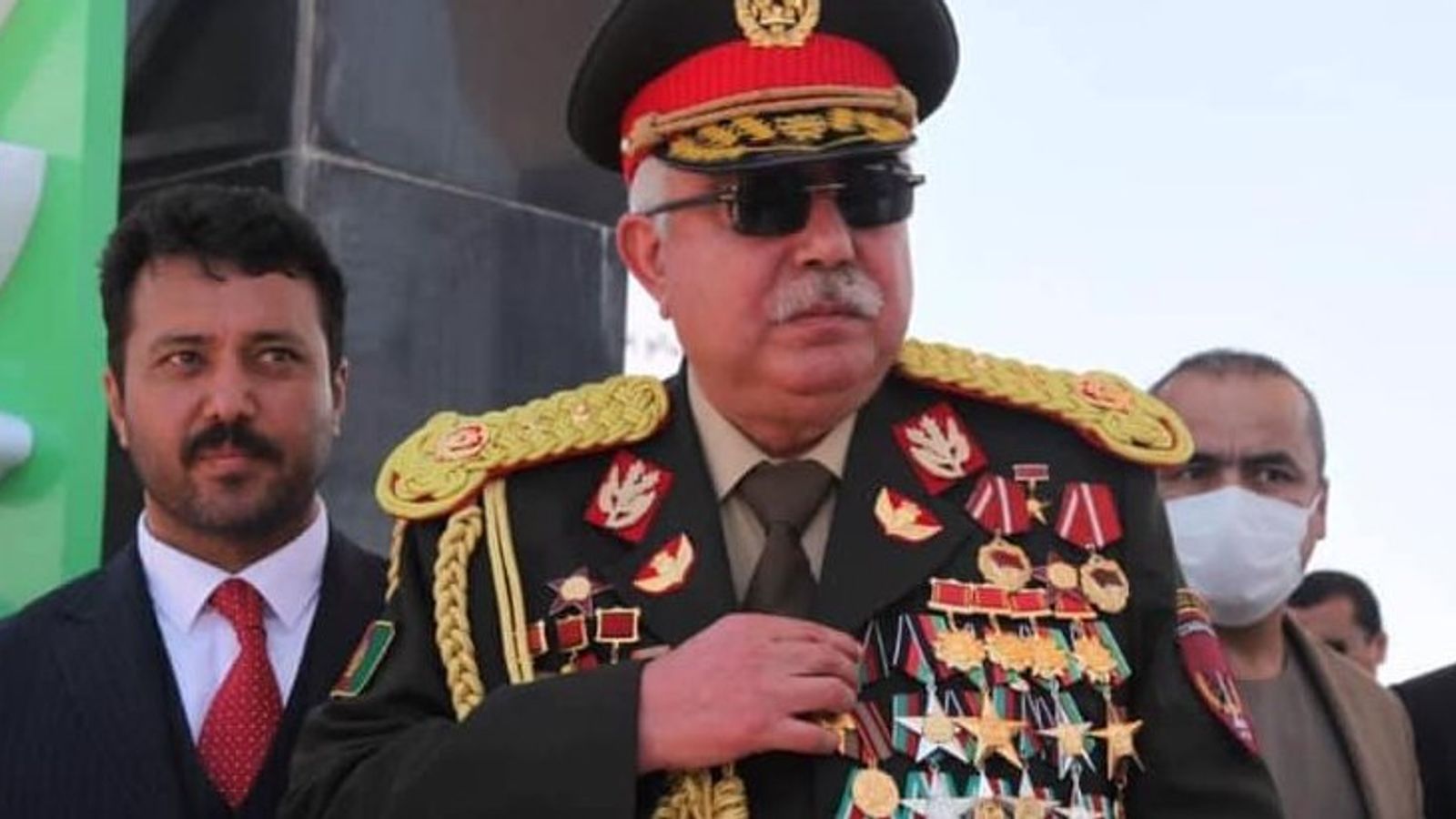
Marshal Abdul Rashid Dostum, leader of the Islamic National Movement of Afghanistan, warned on Friday that the "medieval" rule of the Taliban will not continue in this form. He emphasized that resistance against the Taliban continues in various ways.
Dostum made the statement in a message marking the 31st anniversary of the killing of Abdul Ali Mazari, the late leader of the Wahdat Islamic Party. He described the U.S. and Israeli attacks on Iran as an "aggression" and condemned them.
The Supreme National Resistance Council for Saving Afghanistan held a virtual meeting on Friday to commemorate the anniversary. Attendees included political figures and former government officials such as Mohammad Mohaqeq, Ahmad Massoud and Sarwar Danish.
Sarwar Danish, former vice president, spoke about Mazari's character, ideas and methods, as well as Afghanistan's current situation. He referenced border clashes between the Taliban and Pakistan, stating that the Taliban are unable to ensure peace and stability, and their actions have caused tensions with neighbors and civilian casualties.
Danish called on the Taliban to immediately stop supporting terrorist groups and to foster good relations with regional countries. He argued that any engagement with or recognition of the Taliban lacks legal legitimacy. Referencing Mazari's views on federal governance, Danish stressed the rights of all ethnic groups and said the Taliban lack legitimacy and connection to the Afghan people's will.
Ahmad Massoud, participating virtually, accused the Taliban of sheltering groups like al-Qaida, Tehrik-e-Taliban Pakistan, Jaish al-Adl, Ansarallah and others, turning Afghanistan into a playground for security and geopolitical games. He said the Taliban's attempts to mobilize people against Pakistani attacks cannot succeed without domestic and international legitimacy.
Massoud warned against any "deals" or "interventions," insisting that freedom must come from the Afghan people themselves. He urged political leaders to seize the opportunity for Afghanistan's liberation through coordinated action. He also expressed concern over Middle East conflicts worsening Afghanistan's economy, with rising prices for essentials leaving people in despair.
Read the original reporting at Afghanistan International →
Reliability assessment
Single source provides direct, on-record quotes and details from named opposition leaders (Dostum, Danish, Massoud) at a specific, verifiable event (31st anniversary of Abdul Ali Mazari's killing by Taliban).
The source language mixes facts with framing or advocacy wording. Phrases like 'medieval rule of the Taliban' (حاکمیت قرون وسطایی طالبان) employ pejorative language implying backwardness; descriptions of Taliban actions frame them negatively with terms like providing 'shelter' to terrorists.
Across the newsrooms
Filed by
Afghanistan International
Originating
Filed under
Politics — Abdul Rashid Dostum, Ahmad Massoud, Sarwar Danish, Abdul Ali Mazari, Taliban
Reader supported
Keep Ehtebar running
Every published story uses paid tools to translate reporting, compare sources, extract claims, and produce a clearer read on Afghanistan. Reader support helps keep that work independent.
€5
helps cover daily verification runs
€15
supports a week of source comparison
€50
keeps independent analysis moving
More in Politics

Islamic Emirate Leader Orders 21 New Appointments Across Government Posts
— Reliable
Discussion Held on Presenting Achievements of Government Program in Media
— Reliable
Supreme Court of the Islamic Emirate of Afghanistan Outlines Judicial Reforms and Achievements
— Unverified
Ministry of Information and Culture of the Islamic Emirate of Afghanistan Announces Annual Activities and Achievements
— Reliable