INTERNATIONAL — May 4, 2026
Pakistan and Iran Foreign Ministers Discuss Regional Tensions and Mediation Efforts
Pakistani and Iranian foreign ministers discussed regional tensions and mediation efforts during a phone call, as Pakistan reaffirmed its diplomatic role amid rising geopolitical friction. The conversation follows Iran’s rejected fourteen-point de-escalation proposal to the United States and ongoing concerns over maritime security in the Strait of Hormuz.
The Ehtebar Desk — originates with Khaama Press — corroborated by Pajhwok — 2 min read
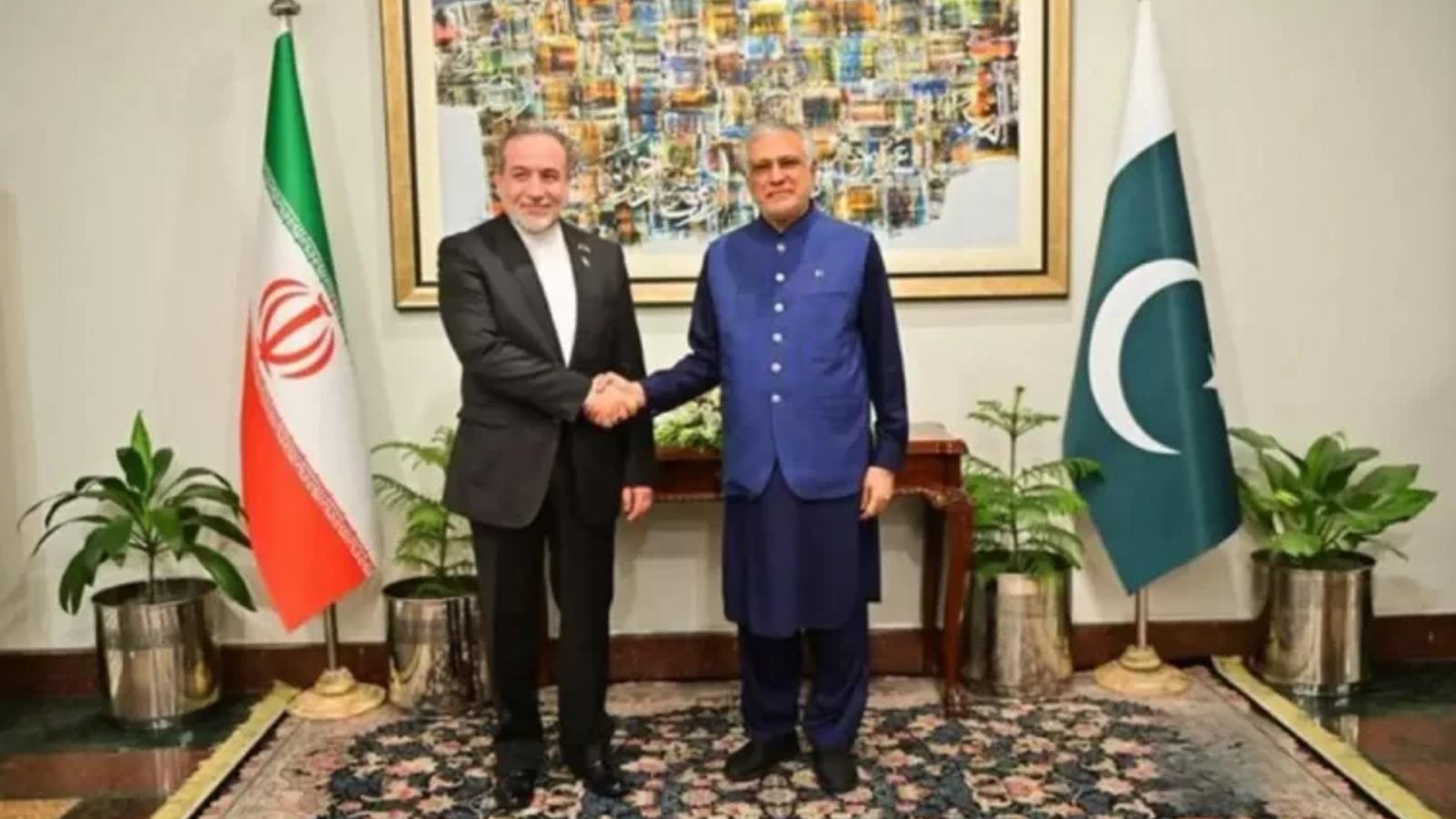
Pakistani Foreign Minister Ishaq Dar and Iranian Foreign Minister Abbas Araghchi held a telephone conversation to address escalating regional tensions and discuss diplomatic mediation efforts. According to a statement from Pakistan’s foreign ministry, Araghchi welcomed Islamabad’s role in facilitating dialogue, while Dar reaffirmed Pakistan’s commitment to peaceful resolution and ongoing diplomatic engagement.
The discussion took place amid heightened geopolitical friction, particularly concerning the Strait of Hormuz, where recent incidents involving commercial shipping have prompted regional calls for restraint. During the call, both ministers reviewed ongoing diplomatic initiatives aimed at preventing further escalation in critical maritime routes.
Iran has previously presented a fourteen-point phased de-escalation proposal to the United States. The plan outlines steps for military de-escalation, confidence-building measures, and potential sanctions relief. However, U.S. President Donald Trump has publicly dismissed the proposal, characterizing it as unacceptable. Regional actors continue to monitor the situation closely, emphasizing the need for sustained diplomatic channels to avoid broader conflict.
Pakistan’s foreign ministry noted that both sides agreed on the importance of maintaining open lines of communication and exploring avenues for dialogue. Islamabad has positioned itself as a neutral intermediary, drawing on its diplomatic ties with both Tehran and Washington to encourage de-escalation. As geopolitical pressures persist, regional governments and international observers remain focused on diplomatic efforts to stabilize the area and ensure the security of vital trade corridors.
Read the original reporting at Khaama Press →
Reliability assessment
Multiple independent outlets corroborate the diplomatic phone call based on official statements from Pakistan's foreign ministry. The event involves direct, on-record attribution to named foreign ministers, making the core claim concrete and verifiable.
The source language reads straight.
Independent web corroboration
A separate web search returned 8 matching reports. A selection:
- Pakistan, Iran Foreign Ministers Discuss Regional Tensions and Peace Efforts in Phone Callen.dailyqudrat.pk
Both sides also agreed to continue joint efforts for regional peace and strengthen diplomatic coordination between the two countries.
Pakistan’s Foreign Minister Ishaq Dar discussed the situation in West Asia and Islamabad’s diplomatic efforts for ...
The Foreign Ministers of the Islamic Republic of Iran and Pakistan, Seyed Abbas Araghchi and Ishaq Dar, held a telephone conversation last night to discuss regional security and diplomatic efforts.
Across the newsrooms
Filed by 2 outlets
Khaama Press
Originating
Reported straight
Reported straight
Pajhwok
Reported straight
Reported straight
Filed under
International — Iran, Pakistan, United States, Diplomacy, Strait of Hormuz
Reader supported
Keep Ehtebar running
Every published story uses paid tools to translate reporting, compare sources, extract claims, and produce a clearer read on Afghanistan. Reader support helps keep that work independent.
€5
helps cover daily verification runs
€15
supports a week of source comparison
€50
keeps independent analysis moving