
SECURITY — February 26, 2026
Pakistan maintains hard-line security policy toward Afghanistan after airstrikes
Pakistan vows to uphold its tough stance on Afghanistan after airstrikes amid border clashes, while its envoy discusses terrorism threats with EU and Iran officials. Tensions persist as Taliban deny militant presence and warn of response.
The Ehtebar Desk — originates with Afghanistan International — corroborated by Hasht-e Subh, Khaama Press and ToloNews — 2 min read
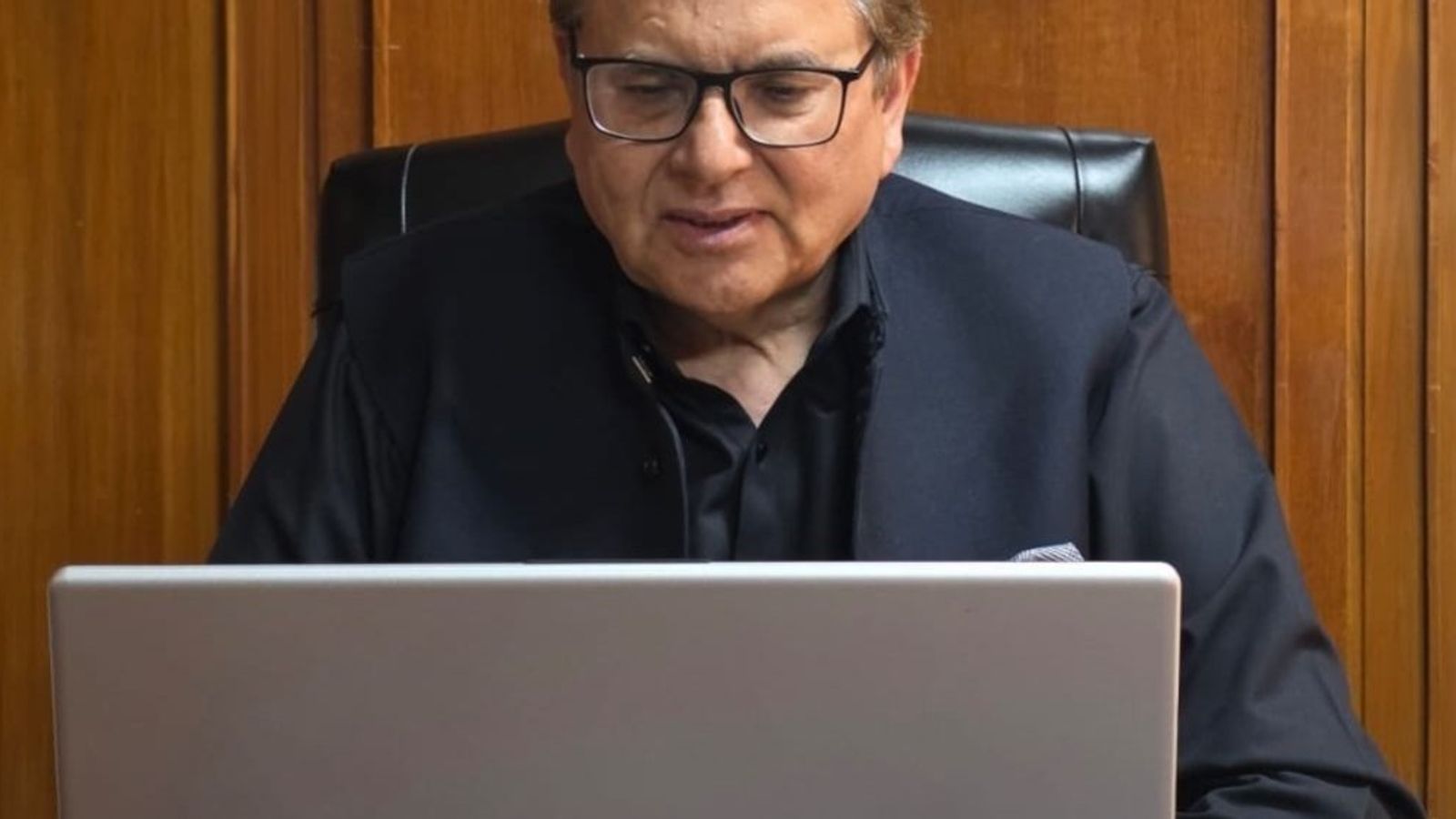
Pakistan's Interior Ministry official Talal Chaudhry stated that Islamabad will not alter its policy toward Afghanistan following recent airstrikes in Nangarhar, Paktika and Khost provinces. Speaking to Geo News, Chaudhry accused Afghan authorities of maintaining a "guerrilla mindset" and remaining silent on militant activity affecting Pakistan's security, describing the regime next door as "irresponsible."
Pakistan's special envoy for Afghanistan, Muhammad Sadiq, held virtual discussions on Thursday with EU special representative Gilles Bertrand on terrorism threats linked to Afghanistan, the regional political and security situation, and human rights. Sadiq also spoke with Iran's South Asia Director General Mohammad Reza Bahrami on Wednesday about counter-terrorism and regional issues.
The talks occur amid escalating cross-border tensions. Pakistan claims the airstrikes targeted militants using Afghan territory to attack inside Pakistan, a charge the Taliban deny, stating civilians were killed. Taliban officials have warned of retaliation at an appropriate time. Clashes involving exchanges of fire between Pakistani forces and Taliban fighters were reported along the border on Tuesday and Wednesday.
Hasht-e Subh commentary questions public obligations in the Taliban-Pakistan conflict, arguing that harboring Tehrik-i-Taliban Pakistan (TTP) in Afghanistan provides justification for Pakistan's actions and criticizing Taliban efforts to rally public support.
Separately, Afghanistan's Ministry of Borders and Tribal Affairs announced plans to soon begin modernizing border markers with Iran following a meeting in Herat's Islam Qala between Afghan and Iranian delegations. Noor Rahman Nasrat, head of operations at the Defense Ministry, cited improved security and relations as enabling the initiative.
Read the original reporting at Afghanistan International →
Reliability assessment
Key facts on airstrikes, named Pakistani officials' statements (Chaudhry, Sadiq), and Taliban response corroborated by 3 independent sources (Afghanistan International, Khaama Press, Hasht-e Subh) with specific provinces and dates.
The source language mixes facts with framing or advocacy wording. Hasht-e Subh uses loaded phrases like 'تجاوز آشکار' (overt aggression), 'جنگ طالبان و پاکستان' (Taliban-Pakistan war), and rhetorical framing criticizing Taliban as providing 'بهانه لازم برای جنگیدن' (justification for war), mixing opinion with analysis.
Across the newsrooms
Filed by 4 outlets
Afghanistan International
Originating
Hasht-e Subh
Khaama Press
ToloNews
Filed under
Security — Pakistan, Taliban, airstrikes, border tensions, TTP
Reader supported
Keep Ehtebar running
Every published story uses paid tools to translate reporting, compare sources, extract claims, and produce a clearer read on Afghanistan. Reader support helps keep that work independent.
€5
helps cover daily verification runs
€15
supports a week of source comparison
€50
keeps independent analysis moving
More in Security
Security Forces Arrest Three Theft Gangs in Herat, Recover 24 Vehicles
— Reliable
Taliban Arrest Seven Civilians in Yaftal District of Badakhshan
— Developing
More Than 30 Killed in Pakistan-Administered Kashmir Election Protests
— Reliable

ISKP Claims Killing of Taliban Information Director in Badakhshan
— Reliable