
SECURITY — April 30, 2026
Eight Years On: 2018 Kabul Suicide Bombings Targeted Journalists
Eight years after two coordinated suicide bombings in Kabul’s Shash Darak district killed over 20 people, including nine journalists, the attacks remain a stark reminder of the dangers faced by media workers in Afghanistan. The Islamic State (Daesh) claimed responsibility for the 2018 incident, which specifically targeted reporters covering the initial blast.
The Ehtebar Desk — originates with Hasht-e Subh — 2 min read
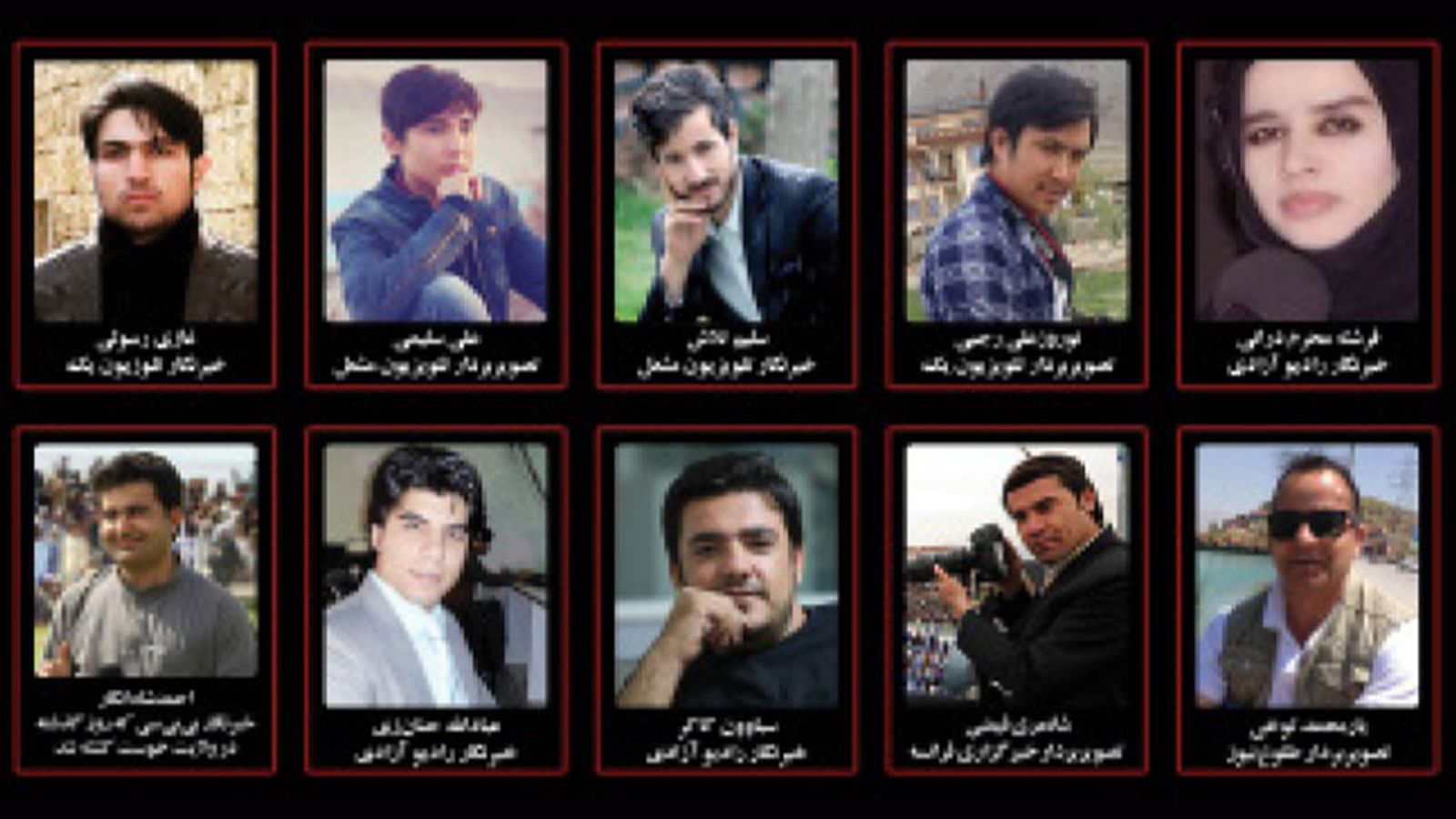
Eight years after a pair of coordinated suicide bombings struck Kabul, the attacks remain a significant moment in the history of violence against media workers in Afghanistan. On April 30, 2018, two explosions occurred in the Shash Darak district of the capital, approximately 30 minutes apart. The blasts killed more than 20 people and injured nearly 50 others.
The second detonation specifically targeted journalists and media personnel who had gathered at the scene to report on the initial explosion. Nine journalists were among those killed in the attacks, while seven others sustained injuries. The victims included staff members from several prominent news organizations, such as Radio Azadi, Tolo News, One TV, AFP, and Mashal TV.
At the time of the incident, the Islamic State (Daesh) group claimed responsibility for the coordinated bombings. The attacks drew widespread condemnation from domestic and international media organizations, highlighting the extreme risks faced by reporters covering security incidents in conflict zones.
The anniversary serves as a reminder of the targeted violence that has affected Afghanistan’s press corps over the past decade. Despite changes in the country’s security landscape and governance, the 2018 Shash Darak bombings continue to be referenced in discussions regarding the safety of journalists and the protection of media workers in high-risk environments.
Read the original reporting at Hasht-e Subh →
Reliability assessment
Single source provides concrete, verifiable historical details including specific date, location, casualty figures, named victims, and perpetrator attribution. The event is a well-documented historical security incident in Afghanistan, and the source's factual reporting aligns with established public records.
The source language reads straight.
Independent web corroboration
An independent web search turned up no separate corroborating reports. Treat the account as single-sourced until more outlets pick it up.
Across the newsrooms
Filed by
Hasht-e Subh
Originating
Reported straight
Reported straight
Filed under
Security — Kabul, Shash Darak, Islamic State, Journalists, 2018 Kabul Bombings
Reader supported
Keep Ehtebar running
Every published story uses paid tools to translate reporting, compare sources, extract claims, and produce a clearer read on Afghanistan. Reader support helps keep that work independent.
€5
helps cover daily verification runs
€15
supports a week of source comparison
€50
keeps independent analysis moving
More in Security
Security Forces Arrest Three Theft Gangs in Herat, Recover 24 Vehicles
— Reliable
Taliban Arrest Seven Civilians in Yaftal District of Badakhshan
— Developing
More Than 30 Killed in Pakistan-Administered Kashmir Election Protests
— Reliable

ISKP Claims Killing of Taliban Information Director in Badakhshan
— Reliable