
POLITICS — February 22, 2026
Pakistan-Occupied Gilgit-Baltistan Faces Protests Over Taxation, Energy Shortages and Governance
Pakistan-occupied Gilgit-Baltistan remains in constitutional limbo, fueling protests over taxation without representation, energy crises and resource extraction. Local groups demand greater autonomy amid federal control and CPEC projects.
The Ehtebar Desk — originates with Khaama Press — 2 min read
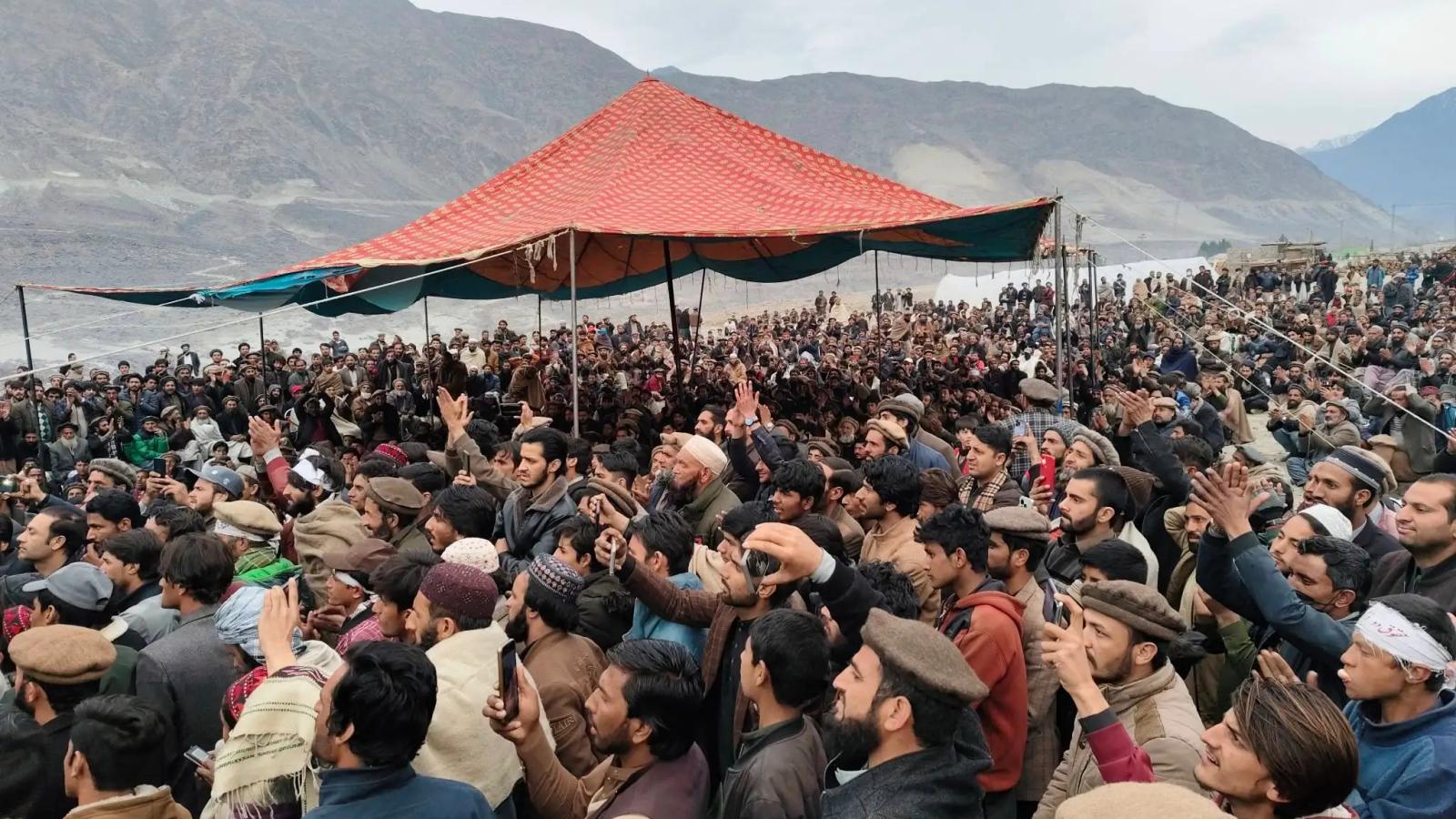
Pakistan has administered Gilgit-Baltistan since 1948 without granting it full constitutional status as a province, maintaining control through executive orders and federal oversight. The Gilgit-Baltistan Empowerment and Self-Governance Order of 2009 introduced positions such as chief minister and governor, but key sectors including minerals, hydropower and security remained under federal authority via the Gilgit-Baltistan Council, chaired by Pakistan's prime minister. The 2018 Gilgit-Baltistan Order abolished the council and shifted some powers to the local assembly, though legal experts and political actors maintained that Islamabad retained significant control through the Ministry of Kashmir Affairs and federal cabinet.
A 2020 pledge by then-Prime Minister Imran Khan to grant provisional provincial status did not materialize. In 2022, new federal taxation measures prompted protests in districts including Gilgit, Skardu and Hunza, organized by trader associations and the Awami Action Committee. Demonstrators argued that taxes were collected without adequate local representation or reinvestment.
The region, which hosts glaciers feeding the Indus River and holds deposits of gold, copper and rare earth minerals, experiences chronic energy shortages, with deficits up to 18-20 hours daily in winter. Hydropower potential is underutilized amid projects like the Diamer-Bhasha Dam. Residents have raised issues over delayed compensation for displaced communities and limited local hiring on China-Pakistan Economic Corridor (CPEC) projects, where most workers are non-local.
Groups including the Awami Action Committee, Gilgit-Baltistan National Alliance, GB Youth Movement and trader bodies have led protests over electricity shortages, wheat subsidy reductions, taxation and land policies. Demonstrations intensified in 2023 and 2024.
Read the original reporting at Khaama Press →
Reliability assessment
Single source provides concrete, checkable historical details (e.g., 1948 incorporation, 2009 and 2018 Orders, 2020 Imran Khan pledge, 2022 taxation) and attributes protests to named organizations like Awami Action Committee; no high-stakes unverified events.
The source language mixes facts with framing or advocacy wording. Phrases like 'extractive economic approach', 'cosmetic rather than substantive' reforms, and 'rising anger' in the title frame governance critically with opinionated language.
Across the newsrooms
Filed by
Khaama Press
Originating
Filed under
Politics — Gilgit-Baltistan, Pakistan, Protests, CPEC, Awami Action Committee
Reader supported
Keep Ehtebar running
Every published story uses paid tools to translate reporting, compare sources, extract claims, and produce a clearer read on Afghanistan. Reader support helps keep that work independent.
€5
helps cover daily verification runs
€15
supports a week of source comparison
€50
keeps independent analysis moving
More in Politics

Islamic Emirate Leader Orders 21 New Appointments Across Government Posts
— Reliable
Discussion Held on Presenting Achievements of Government Program in Media
— Reliable
Supreme Court of the Islamic Emirate of Afghanistan Outlines Judicial Reforms and Achievements
— Unverified
Ministry of Information and Culture of the Islamic Emirate of Afghanistan Announces Annual Activities and Achievements
— Reliable