INTERNATIONAL — March 23, 2026
Pakistan Seeks Russian Mediation to Resolve Tensions with Afghanistan
Pakistan's ambassador to Russia, Faisal Niaz Tirmizi, said in an Izvestia interview that Islamabad has sought Moscow's mediation to ease tensions with Afghanistan, crediting proposals from multiple countries for a temporary Eid al-Fitr ceasefire. He warned of threats from Afghan-based armed groups to the region and denied Taliban claims about a recent airstrike target.
The Ehtebar Desk — originates with Amu TV — corroborated by Pajhwok, Ariana News, RTA and 1 more — 2 min read
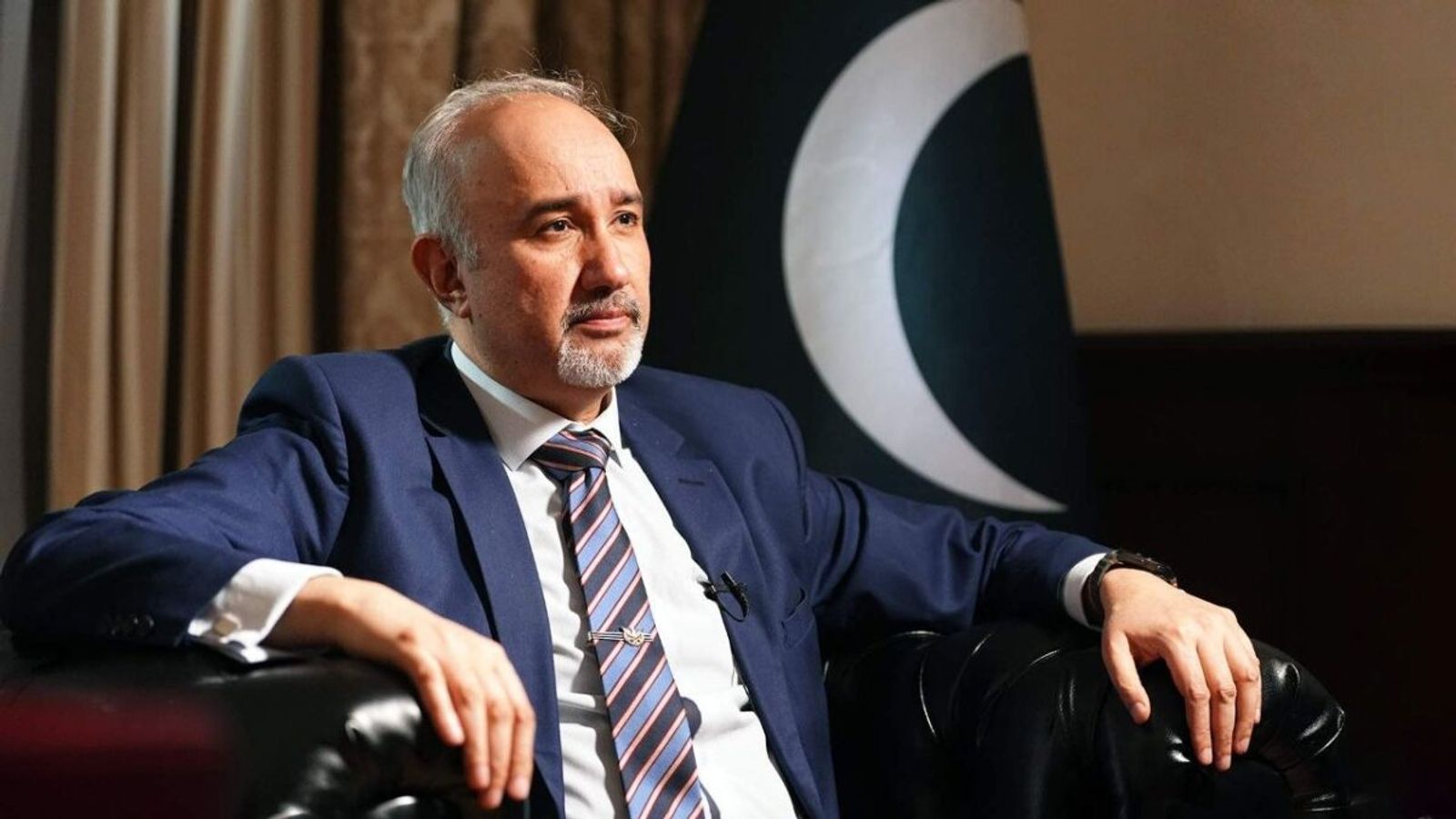
Pakistan's ambassador to Russia, Faisal Niaz Tirmizi, stated in an interview with the Izvestia newspaper that Islamabad has requested Moscow's mediation to address ongoing tensions with Afghanistan.
Tirmizi said Pakistan is engaging with Russia and appreciates its proposal, along with efforts from China, Qatar, Turkey and Saudi Arabia, which contributed to a temporary ceasefire around Eid al-Fitr. He noted that Pakistan and the Taliban agreed to de-escalate at the end of Ramadan and Eid, but urged the Taliban not to use the truce to regroup and rearm.
The ambassador warned that activities of groups like ISIS-Khorasan in Afghanistan threaten not only Afghanistan and Pakistan but also Iran, Central Asia and Russia. He emphasized that decades of war in Afghanistan have broader regional consequences.
Tirmizi denied Taliban claims that a recent Pakistani airstrike in Kabul targeted a drug rehabilitation center, killing over 400 people, insisting it hit a large weapons depot. Pakistan accuses the Taliban of allowing groups like the Tehrik-i-Taliban Pakistan (TTP) to operate from Afghan soil, a charge the Taliban deny.
Hurriyat reported that Pakistan attacked the Afghan border with heavy weapons on Eid night, causing civilian casualties, despite the ceasefire announcement.
Read the original reporting at Amu TV →
Reliability assessment
5 independent Afghan outlets corroborate core event of named Ambassador Faisal Niaz Tirmizi's on-record Izvestia interview statements requesting Russian mediation on Pakistan-Afghanistan tensions and confirming temporary ceasefire; direct attribution with concrete details (named official, named outlet); minor detail variations do not undermine event confirmation.
The source language mixes facts with framing or advocacy wording. Hurriyat: "but on Eid night, it also carried out attacks with heavy weapons on the Afghan border and caused casualties to ordinary people" – this phrase accuses Pakistan of hypocrisy by contrasting official claims with alleged violent actions, using emotionally loaded framing of deception and harm to civilians.
Across the newsrooms
Where reports agree
- Faisal Niaz Tirmizi, Pakistan's Ambassador to Russia, made statements in Izvestia interview about seeking Russian mediation on Afghanistan tensions.
- Temporary ceasefire between Pakistan and Afghanistan/Taliban agreed around Eid al-Fitr with involvement of regional mediators (Russia, China, Qatar, Turkey, Saudi Arabia).
- Decades of war in Afghanistan impacts regional countries including Pakistan, Iran, Central Asia, Russia.
Where reports differ
- Kabul airstrike target: weapons depot (Pakistan claim) vs. drug rehab center with 400+ killed (Taliban claim).
- Pakistan border attack on Eid night causing civilian casualties (Hurriyat) vs. no mention or implied ceasefire holding in others.
- Pakistan-Taliban de-escalation specifically at end of Ramadan/Eid (Amu TV) vs. broader mediator-influenced ceasefire (others).
Filed by 5 outlets
Amu TV
Originating
Reported straight
Reported straight
Pajhwok
Reported straight
Reported straight
Ariana News
Reported straight
Reported straight
RTA
Reported straight
Reported straight
Hurriyat
Framed
Framed
Filed under
International — Pakistan, Russia, Taliban, Faisal Niaz Tirmizi, ceasefire
Reader supported
Keep Ehtebar running
Every published story uses paid tools to translate reporting, compare sources, extract claims, and produce a clearer read on Afghanistan. Reader support helps keep that work independent.
€5
helps cover daily verification runs
€15
supports a week of source comparison
€50
keeps independent analysis moving