
SECURITY — March 24, 2026
Pakistan Uses 'Calculated Pressure' on Taliban in Escalating Clashes, Avoids Targeting Leaders
Pakistan has conducted airstrikes in Afghan cities amid escalating clashes with the Taliban, who have responded with attacks, causing significant civilian casualties according to UN figures. A former Pakistani general says the strikes apply 'calculated pressure' without targeting leaders to avoid regional instability.
The Ehtebar Desk — originates with Afghanistan International — 2 min read
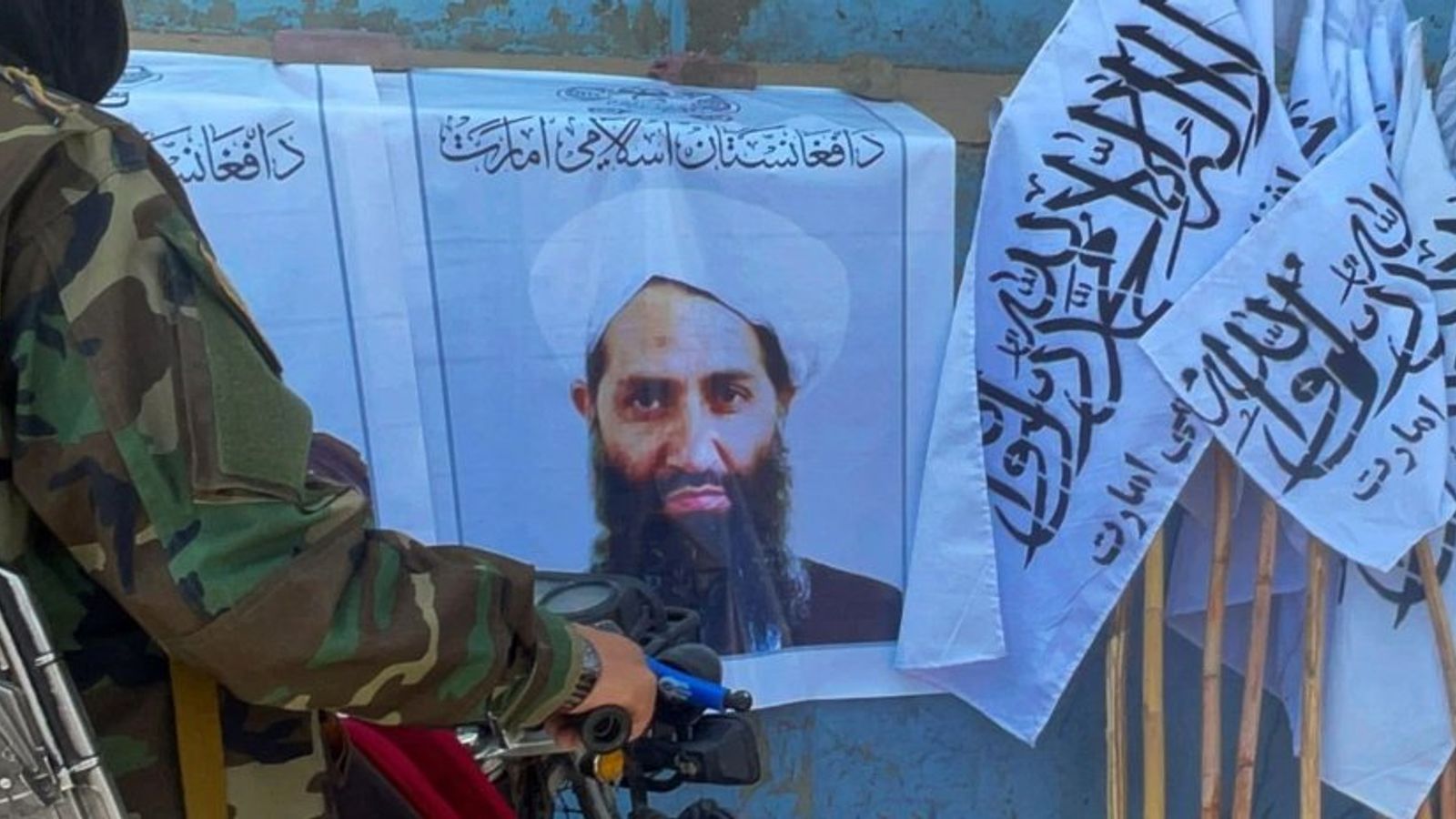
Tensions between Pakistan and the Taliban have escalated into open conflict, with Pakistan conducting multiple airstrikes in major Afghan cities including Kabul, Kandahar and Balkh. The Taliban have responded with ground and drone attacks.
The United Nations confirmed 143 people were killed in a Pakistani airstrike on a drug treatment center in Kabul, while the Taliban reported 400 victims. The UN Assistance Mission in Afghanistan (UNAMA) stated that since late February, between 75 and 212 Afghan civilians have been killed and hundreds more wounded in the fighting.
A recent attack targeted guards of Taliban leader Hibatullah Akhundzada in Kandahar. Inam-ul-Haq, a former Pakistani army general, told Afghanistan International that Pakistan is applying 'calculated pressure' without targeting top Taliban leaders. He said Islamabad consciously avoids strikes on the leadership or severing ties with the regime, instead hitting weapon depots, mid-level commanders and border posts.
Inam-ul-Haq explained that Pakistan fears a power vacuum if senior leaders are killed, which could expand conflicts and destabilize its own Khyber Pakhtunkhwa and Balochistan provinces. He noted there is no organized force to replace the Taliban, and the collapse of its leadership might allow armed groups under Taliban influence to spill into Pakistan, China and Central Asian countries.
Pakistan has not expelled the Taliban delegation from Islamabad, and its embassy in Kabul remains operational. Inam-ul-Haq said Islamabad seeks cooperative networks within the Taliban, such as the Haqqani network, while pressuring less aligned factions. Many fighters along the Durand Line hail from Kandahar and are linked to Akhundzada.
The Diplomat magazine assessed that the Kandahar attack sends a message: Pakistan may directly target the Taliban leadership core if support for anti-Pakistan groups like the Tehrik-i-Taliban Pakistan (TTP) continues.
Read the original reporting at Afghanistan International →
Reliability assessment
Single outlet with strong attributions: direct on-record quote from named former Pakistani general Inam-ul-Haq, specific UN/UNAMA casualty reports, citation to The Diplomat magazine; core events of clashes corroborated internally via cited sources.
The source language mixes facts with framing or advocacy wording. Afghanistan International: "entered a dangerous phase"; "sounded the alarm bell for disrupting regional stability"; "big question remains"; these phrases add emotional urgency and dramatic framing to the reporting of the conflict.
Independent web corroboration
A separate web search returned 8 matching reports. A selection:
- Pakistan hopes steep cost of airstrikes on Taliban targets will protect against terror attacks | Pakistan | The Guardiantheguardian.com
Some of the airstrikes are rumoured to have targeted Taliban leaders. Pakistan may eventually look for even more radical options.
- Pakistan is waging its own war in Afghanistangoodauthority.org
We have also not seen Pakistan strike Taliban leadership targets directly. As for the Taliban, we have not seen complex attacks by their proxy militants, including the TTP, in recent weeks.
At 172,000, the Taliban have less than a third of Pakistan's personnel. The Taliban do possess at least six aircraft and 23 helicopters but their condition is unknown and they have no fighter jets or effective air force.
Across the newsrooms
Filed by
Afghanistan International
Originating
Framed
Framed
Filed under
Security — Pakistan, Taliban, TTP, Hibatullah Akhundzada, UNAMA
Reader supported
Keep Ehtebar running
Every published story uses paid tools to translate reporting, compare sources, extract claims, and produce a clearer read on Afghanistan. Reader support helps keep that work independent.
€5
helps cover daily verification runs
€15
supports a week of source comparison
€50
keeps independent analysis moving
More in Security
Security Forces Arrest Three Theft Gangs in Herat, Recover 24 Vehicles
— Reliable
Taliban Arrest Seven Civilians in Yaftal District of Badakhshan
— Developing
More Than 30 Killed in Pakistan-Administered Kashmir Election Protests
— Reliable

ISKP Claims Killing of Taliban Information Director in Badakhshan
— Reliable