INTERNATIONAL — February 21, 2026
Pakistan's Defense Minister Threatens Strikes on Afghan Soil Amid Rising Tensions with Taliban
Pakistan's officials, including Defense Minister Khawaja Asif, have threatened strikes on Afghan soil amid militant attacks in tribal areas and criticism of the Taliban. Analysis suggests Islamabad's influence over the Taliban is waning, with policy confusion and failed 'strategic depth' goals.
The Ehtebar Desk — originates with Afghanistan International — corroborated by Pajhwok, Hasht-e Subh, Khaama Press and 3 more — 2 min read
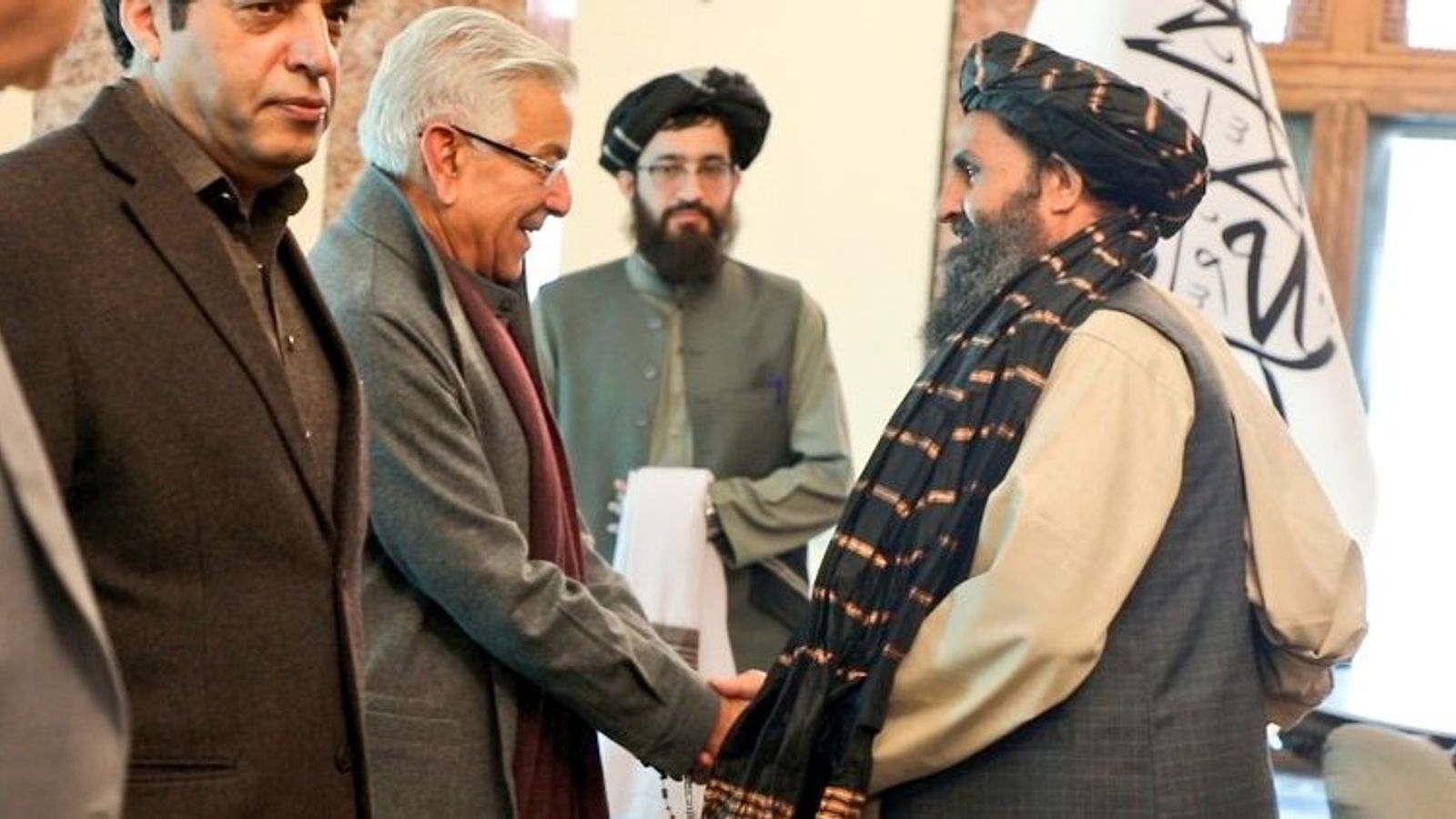
Pakistan's military has escalated verbal criticism of the Taliban in Afghanistan as militant attacks intensify in its tribal areas. The Pakistani army stated that its patience has run out. Defense Minister Khawaja Asif emphasized that Afghan territory would be targeted if the Taliban fails to meet commitments. Pakistan's Foreign Ministry indicated that all options remain on the table against the Taliban.
Such rhetoric is not new, with media clashes between the two sides ongoing for two years. Pakistani officials appear divided: some advocate resuming relations, reopening border crossings, and diplomatic engagement, while others call for airstrikes or bombings in Afghanistan. Last year, bombings in Kabul and eastern provinces led to direct military confrontations.
Khawaja Asif has repeatedly warned of airstrikes inside Afghanistan. Suggestions include targeted operations against commanders of the Tehrik-i-Taliban Pakistan (TTP) and Baloch separatists sheltering there. Pakistan has conducted such attacks in Kabul, Kandahar, Nangarhar, Kunar, and Khost, though it has not officially claimed responsibility.
Since the ouster of former Prime Minister Imran Khan in 2022, Islamabad has shown signs of rethinking its Afghanistan policy, with consensus that the decades-old 'strategic depth' approach has failed. This strategy sought an Islamist government in Kabul opposed to India and aligned with Pakistan, but it yielded counterproductive results.
The Taliban has not confronted India as previously expected, instead pursuing ties with Central Asia and India while reducing relations with Pakistan. Taliban Defense Minister Mohammad Yaqub Mujahid implied Pakistan seeks dominance over them, which will not happen. Economic Deputy Abdul Ghani Baradar referred to Afghanistan as a 'tree of Zaqqum'—a bitter, poisonous tree—not a 'fat morsel' for Pakistan.
Pakistan has struggled to either bypass or engage the Taliban effectively, facing deep distrust.
Read the original reporting at Afghanistan International →
Reliability assessment
Key facts regarding statements by named Pakistani officials (Defense Minister Khawaja Asif, military, Foreign Ministry) on threats of strikes on Afghan soil are corroborated by 7 independent outlets including BBC Persian.
The source language mixes facts with framing or advocacy wording. 'complete deadlock' (بنبست کامل), 'unprecedented confusion' (سردرگمی...بیسابقه), 'flawed strategic depth' (عمق استراتژیک...معیوب) – these phrases frame Pakistan's policy with opinionated judgments on failure and disarray.
Across the newsrooms
Filed by 7 outlets
Afghanistan International
Originating
Pajhwok
Hasht-e Subh
Khaama Press
BBC Persian
RTA
Amu TV
Filed under
International — Pakistan, Taliban, Khawaja Asif, Strategic Depth, TTP
Reader supported
Keep Ehtebar running
Every published story uses paid tools to translate reporting, compare sources, extract claims, and produce a clearer read on Afghanistan. Reader support helps keep that work independent.
€5
helps cover daily verification runs
€15
supports a week of source comparison
€50
keeps independent analysis moving