
POLITICS — June 13, 2026
Proposal for Citizen-Centered Civilized State Seeks to Address Afghanistan's Historical State-Building Crisis
It draws on the multi-ethnic heritage of Khorasan exemplified by the Samanids to argue for a system of equal citizenship and strong institutions over ethnic or ideological dominance.
The Ehtebar Desk — originates with Hasht-e Subh — 2 min read
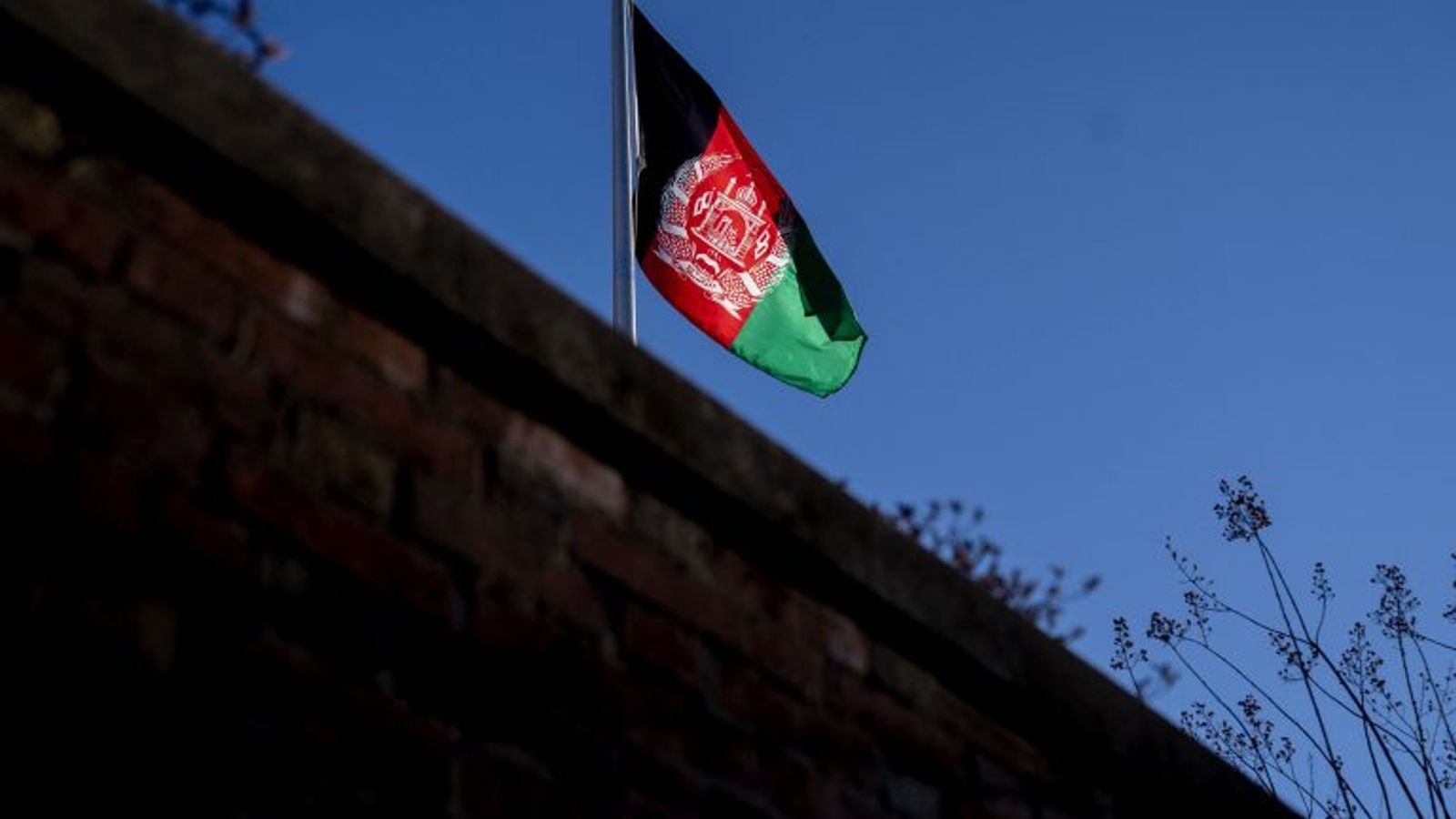
The theory of a "citizen-centered civilized state" is advanced in a recent analysis as a potential solution to Afghanistan's prolonged crises related to state legitimacy, effective governance, and political coexistence among its people. The proposal suggests that historical approaches to state formation have consistently fallen short of creating stable and inclusive systems.
Over the past two centuries, various political models have been tried in Afghanistan. These include traditional emirates as well as republics modeled on Western examples. Each has struggled to secure broad legitimacy or to promote universal participation in the political process. The core issue identified is that the state has typically emerged prior to and independent of a cohesive national identity based on citizenship.
The analysis points to the region's rich historical background within the civilizational sphere known as Khorasan. Key cities such as Balkh, Herat, Ghazni, Kabul, and Badakhshan are noted for their contributions to cultural and economic life. The example of the Samanid state is used to illustrate a system where legitimacy arose from cultural vitality, urban development, economic productivity, and sound administration, rather than from ethnic or tribal bonds.
Building on this heritage, the theory advocates for a contemporary political order. It would rest on principles of common civilizational identity, equal rights of citizenship, and the acceptance of diversity. Strong institutions, the rule of law, and a focus on economic productivity are seen as vital components. The goal is to achieve sustainable unity through diversity instead of relying on dominance by particular groups.
This framework is presented as a means to break the cycle of instability that has characterized state-building efforts in the country.
Read the original reporting at Hasht-e Subh →
Reliability assessment
Single-source opinion and theoretical essay with interpretive historical claims; no corroborating sources or concrete, checkable events reported.
The source language mixes facts with framing or advocacy wording. Hasht-e Subh: "crisis of the state, a crisis of legitimacy, and a crisis of political coexistence"; "deeper crisis at the level of the 'philosophy of the state' and the 'nature of the political order'"; "historical impasse of state-building" — these phrases frame Afghanistan's history as an ongoing, profound failure requiring a specific ideological solution, mixing analysis with advocacy for the proposed theory.
Independent web corroboration
An independent web search turned up no separate corroborating reports. Treat the account as single-sourced until more outlets pick it up.
Across the newsrooms
Filed by
Hasht-e Subh
Originating
Framed
Framed
Filed under
Politics — Afghanistan, state-building, Khorasan civilization, political theory, citizenship
Reader supported
Keep Ehtebar running
Every published story uses paid tools to translate reporting, compare sources, extract claims, and produce a clearer read on Afghanistan. Reader support helps keep that work independent.
€5
helps cover daily verification runs
€15
supports a week of source comparison
€50
keeps independent analysis moving
More in Politics

Islamic Emirate Leader Orders 21 New Appointments Across Government Posts
— Reliable

Discussion Held on Presenting Achievements of Government Program in Media
— Reliable
Supreme Court of the Islamic Emirate of Afghanistan Outlines Judicial Reforms and Achievements
— Unverified
Ministry of Information and Culture of the Islamic Emirate of Afghanistan Announces Annual Activities and Achievements
— Reliable