
CULTURE — March 10, 2026
Review: Nawal El Saadawi's 'Woman at Point Zero'
Hasht-e Subh reviews Nawal El Saadawi's 'Woman at Point Zero,' portraying the life of Firdaus as emblematic of women's universal suffering under patriarchy, marked by violence, discrimination, and social injustice.
The Ehtebar Desk — originates with Hasht-e Subh — 2 min read
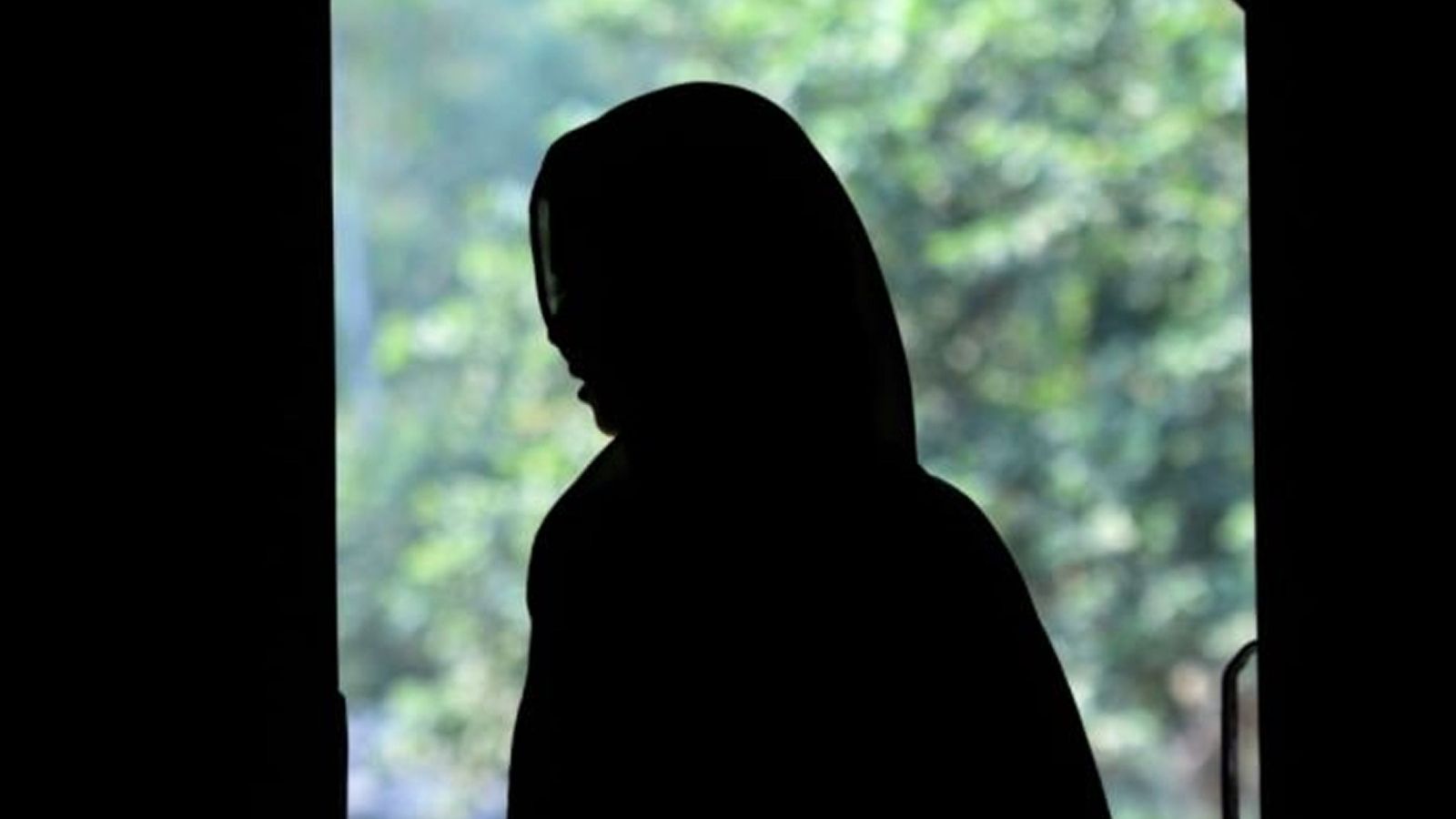
Nawal El Saadawi, an Egyptian physician, writer, and social activist, is one of the most influential feminists in the Arab world. She fought for decades against patriarchal systems and repressive laws, even experiencing imprisonment for defending women's rights. Her famous quote, 'I speak the truth, and the truth is wild and dangerous,' reflects her fearless spirit.
Hasht-e Subh reviews her book 'Woman at Point Zero,' which recounts the life of Firdaus but serves as a mirror to the shared experiences of women in patriarchal societies. The narrative illustrates that women's suffering transcends geographical borders, with suppressed emotions, dashed hopes, and bruises from beatings by fathers, brothers, husbands, and even sons highlighting violence against women as a collective experience.
Firdaus endures sexual violence, discrimination, and social injustices from childhood through imprisonment and execution. Rejected repeatedly in her early years, she tastes poverty and upheaval without formal lessons on patriarchal society. Humiliated and suppressed by her father, uncle, husband, and community, she recalls: 'Once he attacked me with a shoe sole. My face and body swelled and bruised. I left the house and went to my uncle's. But my uncle said all men beat their wives. My aunt agreed, saying her husband often beat her. I said my uncle, a respected and literate sheikh, wouldn't beat his wife. She replied that precisely such men beat their wives. Religious laws permit it. A good, obedient wife shouldn't complain about her husband; she must be fully submissive.'
Through her experiences, Firdaus discerns society's harsh realities, developing disdain for men and the male-dominated society. In her teens, she reads history books about Iranians, Turks, Arabs, kings' atrocities, wars, revolutionaries, and romantic poetry, concluding that rulers think of war, killing, or sex. She generalizes this to her community, observing respected men, sheikhs, and officials beating or humiliating women, or paying prostitutes while deeming them impure.
Despite a high school diploma, Firdaus cannot attend university due to her uncle's objection to her sitting beside men. Forced to marry an older sheikh to relieve her uncle's burden, she enters a home where her body satisfies a man's desires.
Read the original reporting at Hasht-e Subh →
Reliability assessment
Single source provides direct, concrete details from the book including quotes and plot summary; book existence verifiable.
The source language mixes facts with framing or advocacy wording. Phrases like 'bitter truth that violence against women is a collective experience,' 'endless cycle of violence and injustice,' and 'disgust for men and the society run by men' use emotional framing and advocacy to critique patriarchy.
Across the newsrooms
Filed by
Hasht-e Subh
Originating
Filed under
Culture — Nawal El Saadawi, Woman at Point Zero, Firdaus, women's rights, patriarchy
Reader supported
Keep Ehtebar running
Every published story uses paid tools to translate reporting, compare sources, extract claims, and produce a clearer read on Afghanistan. Reader support helps keep that work independent.
€5
helps cover daily verification runs
€15
supports a week of source comparison
€50
keeps independent analysis moving
More in Culture

Premier Pahlawani League Final to Crown First Champion Tonight in Kabul
— Reliable
Three-Day Tourism Capacity-Building Seminar Concludes in Herat
— Reliable
Deputy Minister of Culture and Art Says Efforts to Protect Historical Sites Will Continue
— Reliable
Traditional Gul-e-Zard Poetry Gathering Held in Kapisa
— Reliable