
SECURITY — March 14, 2026
Small Wars Journal: Drones Become New Weapon for Taliban Against Pakistan
Small Wars Journal analyzes how small drones are evolving into a key weapon for Taliban and Pakistani militants like TTP against Pakistan, fueled by Afghanistan's arms market and calling for strategic countermeasures.
The Ehtebar Desk — originates with Amu TV — 2 min read
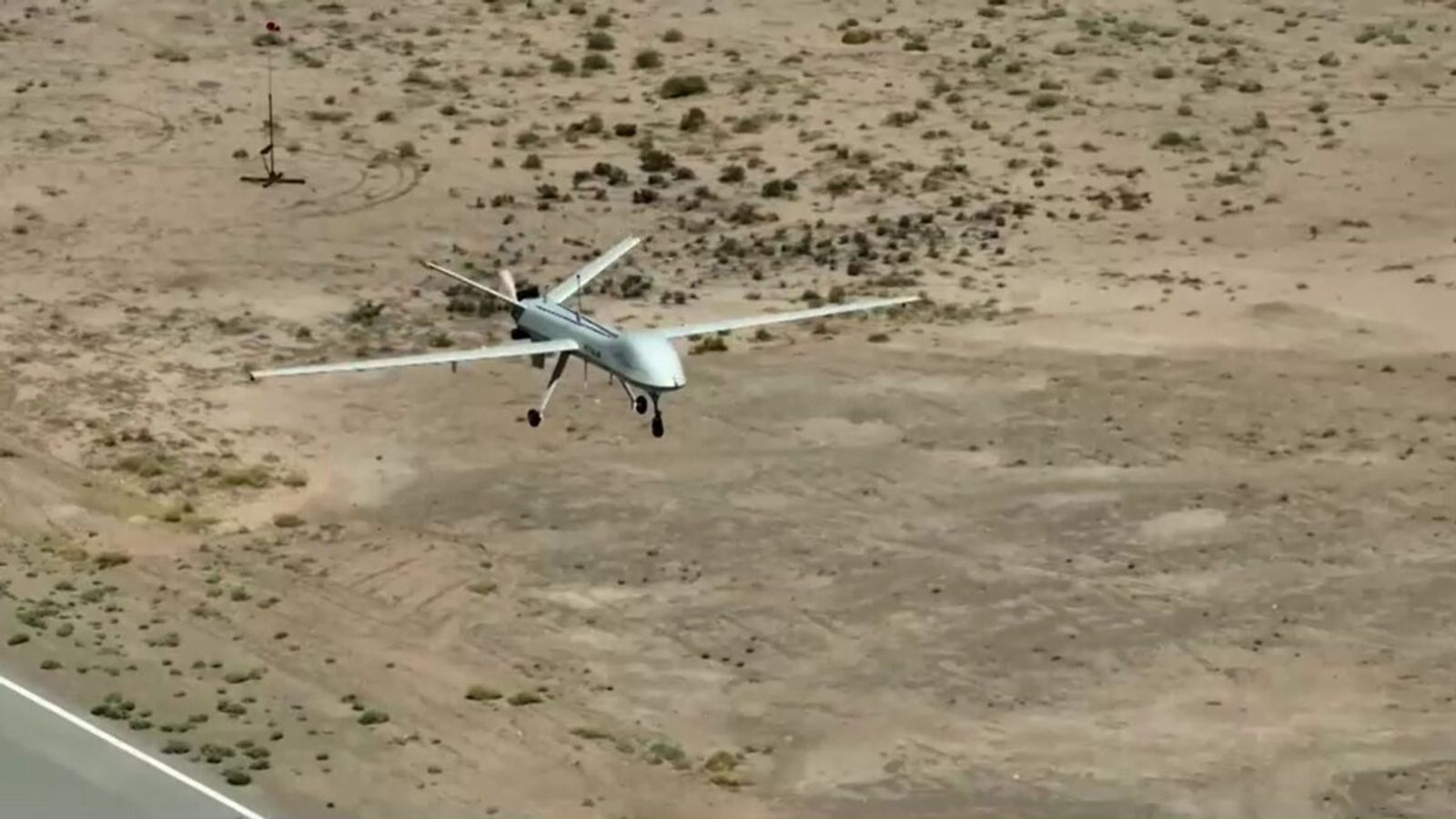
An article published in Small Wars Journal states that small drones, known as quadcopters, have played a decisive role in guerrilla warfare and Taliban operations against Pakistan, rendering Pakistani security forces vulnerable.
The piece reports that groups labeled as terrorist organizations, including Tehrik-i-Taliban Pakistan (TTP), are employing this technology primarily for psychological operations. In recent days, multiple drone attacks have struck government facilities in Khyber Pakhtunkhwa province, which were established to secure the region against cross-border terrorism from Afghanistan.
According to the authors, such attacks in Khyber Pakhtunkhwa are not novel, but evolving tactics indicate a more lethal underlying infrastructure. This includes the adaptation of commercially available small drones for insurgent purposes. These quadcopters can fly hundreds of meters, bypass ground obstacles and conduct remote strikes, allowing operators to remain secure.
The journal's article argues that drones introduce a newer, more sophisticated threat, necessitating a serious strategic reassessment in counter-terrorism efforts. Militant groups in Pakistan, encompassing jihadists and ethnic-nationalist separatists in Balochistan, remain in early stages of drone utilization. However, the ease of access and open arms market in Afghanistan facilitate their weapon procurement.
The authors note that these groups, equipped with U.S.-origin weapons such as rifles, night-vision devices and electronic gear, are battle-hardened and supported by the Taliban in Afghanistan. They predict these militants could conduct shocking strikes on targets at will in coming months.
The article poses whether Pakistan can respond effectively, stating that Islamabad has moved beyond initial phases and requires a multi-pronged strategy. It describes the challenge as a race against time for Pakistan's government, with drone-using armed groups representing a new form of asymmetric unconventional warfare. If not halted in its nascent stage, containment will prove difficult. The coming year is deemed critical for countering networked terrorism reliant on psychological operations and drone strikes, warning that current tactics against northwest Pakistan attacks may not suffice otherwise.
Read the original reporting at Amu TV →
Reliability assessment
Single source summarizing an analytical article from Small Wars Journal; claims of recent drone attacks lack specific locations, times, numbers or independent corroboration, relying on second-hand analysis without named officials or direct evidence.
The source language mixes facts with framing or advocacy wording. Phrases like 'race with time,' 'lethal infrastructure,' and 'shock their targets' use urgent, alarmist language to frame the threat with heightened drama and inevitability.
Across the newsrooms
Filed by
Amu TV
Originating
Filed under
Security — Taliban, Pakistan, TTP, drones, Khyber Pakhtunkhwa
Reader supported
Keep Ehtebar running
Every published story uses paid tools to translate reporting, compare sources, extract claims, and produce a clearer read on Afghanistan. Reader support helps keep that work independent.
€5
helps cover daily verification runs
€15
supports a week of source comparison
€50
keeps independent analysis moving
More in Security

Security Forces Arrest Three Theft Gangs in Herat, Recover 24 Vehicles
— Reliable
Taliban Arrest Seven Civilians in Yaftal District of Badakhshan
— Developing

More Than 30 Killed in Pakistan-Administered Kashmir Election Protests
— Reliable

ISKP Claims Killing of Taliban Information Director in Badakhshan
— Reliable