
SOCIETY — June 22, 2026
Smartphone Ban Ordered by Taliban Leader Hibatullah Akhundzada Hinders Journalists in Kandahar
The restriction ordered by Hibatullah Akhundzada has forced journalists to make in-person visits to government offices, replacing faster online methods and delaying the publication of news from the province.
The Ehtebar Desk — originates with Hasht-e Subh — 2 min read
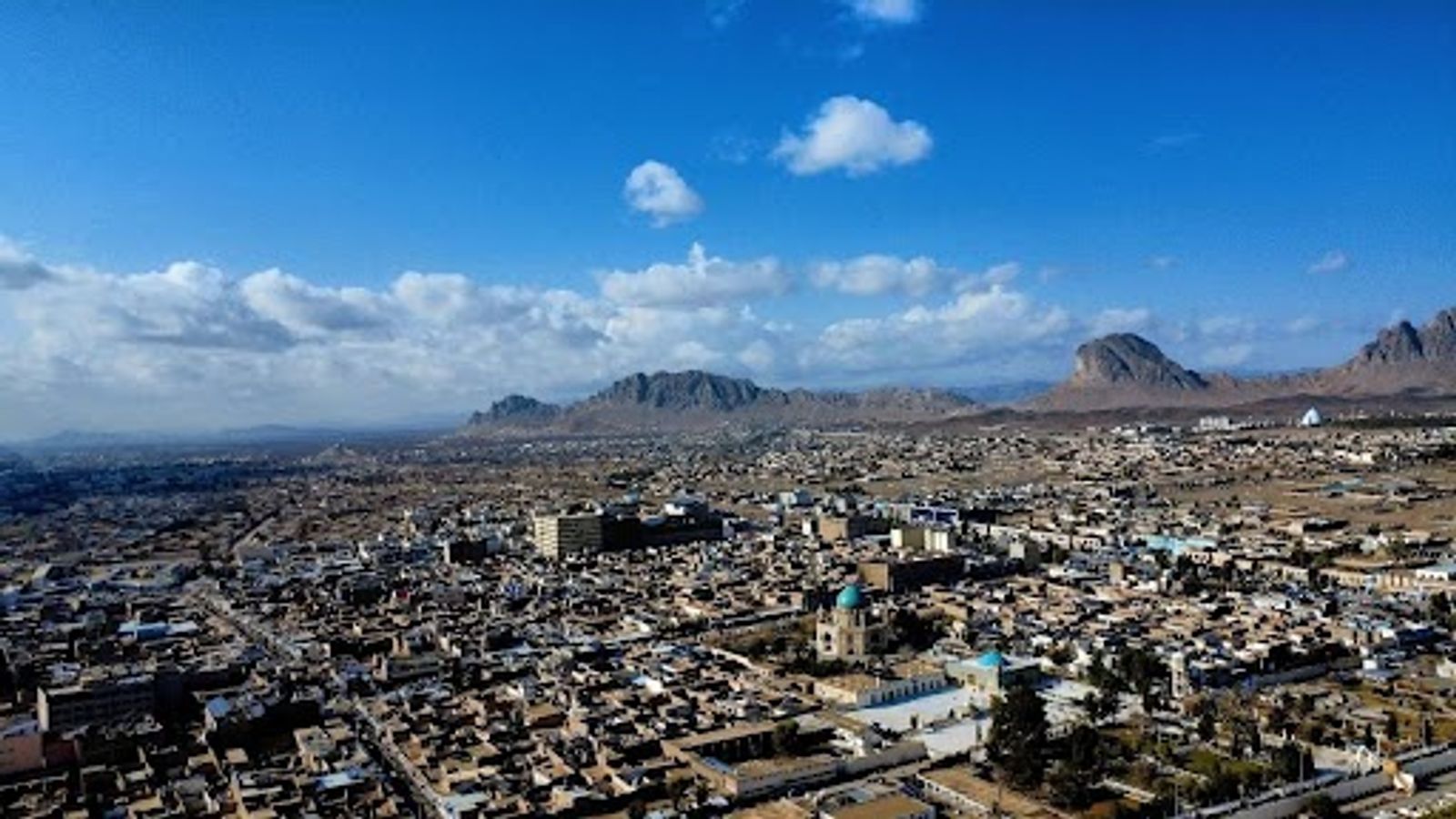
The ban on the use of smartphones in government offices, ordered by Taliban leader Hibatullah Akhundzada, has made access to information difficult in Kandahar. Sources in the province report that the restriction has severely hindered journalists from obtaining updates from officials.
Journalists had previously used applications like WhatsApp to receive information quickly from government offices. Following the ban, which was imposed in recent days, they are now forced to visit the offices in person to gather the required details.
This change has affected the timely publication of news reports. The need for physical visits instead of online communication has slowed down the process of news gathering and reporting.
Local sources have indicated that the policy creates serious problems for media workers in Kandahar. The ban applies to government offices and limits the efficient flow of information that was once available through digital means.
As a result, the speed at which journalists can publish stories has been impacted. This situation affects how promptly the public receives news about developments in the area.
The decision by the Taliban leader has led to a shift in how journalists interact with government sources. In-person visits require more time and effort compared to the previous method of instant messaging.
Reporters must now plan their schedules around traveling to various offices to collect information that was once accessible remotely. This adjustment has made their work more challenging in terms of efficiency and timeliness.
The sources emphasized the difficulties faced by journalists in maintaining the pace of their reporting activities under the new rules.
Read the original reporting at Hasht-e Subh →
Reliability assessment
Single source provides direct attribution of the ban to named Taliban leader Hibatullah Akhundzada with concrete details on its reported effects in Kandahar from local sources; core event of the policy and its impact on media access is corroborated within the report
The source language mixes facts with framing or advocacy wording. Hasht-e Subh: "serious problems", "forced to go to the offices in person", "any action that restricts this process affects the speed of news delivery and the public's right to receive information" - these phrases frame the ban as a direct and negative obstacle to journalistic principles and public rights, adding mild advocacy tone.
Independent web corroboration
A separate web search returned 8 matching reports. A selection:
- Taliban smartphone ban further limits media access in Afghanistanjournalismpakistan.com
According to the Afghanistan ... in Kandahar in which Taliban leader Mullah Hibatullah Akhundzada reportedly instructed provincial authorities to prevent government staff from using smartphones
Taliban have banned the use of smartphones by public employees and their security forces in Kandahar, according to local sources, in what appears to be the latest effort to tighten controls on communications and access to information.
During a meeting earlier this month ... religious scholars and judges from a military court asked Sheikh Haibatullah to issue a countrywide ban on smartphones to prevent what they described as the spread of pornography and corruption
In recent weeks, Taliban have issued similar directives in numerous provinces, including Kandahar, Herat, Balkh, Kunduz, Khost, Paktia, Ghazni, Bamiyan, Ghor, Sar-e-Pul, Maidan Wardak and Kabul, according to local sources familiar with the policy.
Across the newsrooms
Filed by
Hasht-e Subh
Originating
Framed
Framed
Filed under
Society — Hibatullah Akhundzada, Kandahar, Taliban, Smartphone Ban, Journalists
Reader supported
Keep Ehtebar running
Every published story uses paid tools to translate reporting, compare sources, extract claims, and produce a clearer read on Afghanistan. Reader support helps keep that work independent.
€5
helps cover daily verification runs
€15
supports a week of source comparison
€50
keeps independent analysis moving
More in Society
Health Officials and Experts Discuss Rise in Black Jaundice Cases in Afghanistan
— Reliable

Discussion on Agricultural Products and Health Services in Samangan Province
— Reliable
WHO Report Cites Taliban Restrictions and Funding Shortfalls as Threats to Health Services in Afghanistan
— Reliable
Afghan officials report returns of families from Pakistan and Iran alongside releases from Pakistani prisons
— Reliable