
POLITICS — February 15, 2026
Sources Allege Taliban Justice Minister Dismissed Over 700 Employees, Engaged in Nepotism and Property Seizures
Sources in the Taliban Ministry of Justice accuse Minister Abdul Hakim Sharaei of dismissing over 700 employees, nepotism, property seizures, and misusing ministry resources for personal gain.
The Ehtebar Desk — originates with Hasht-e Subh — 2 min read
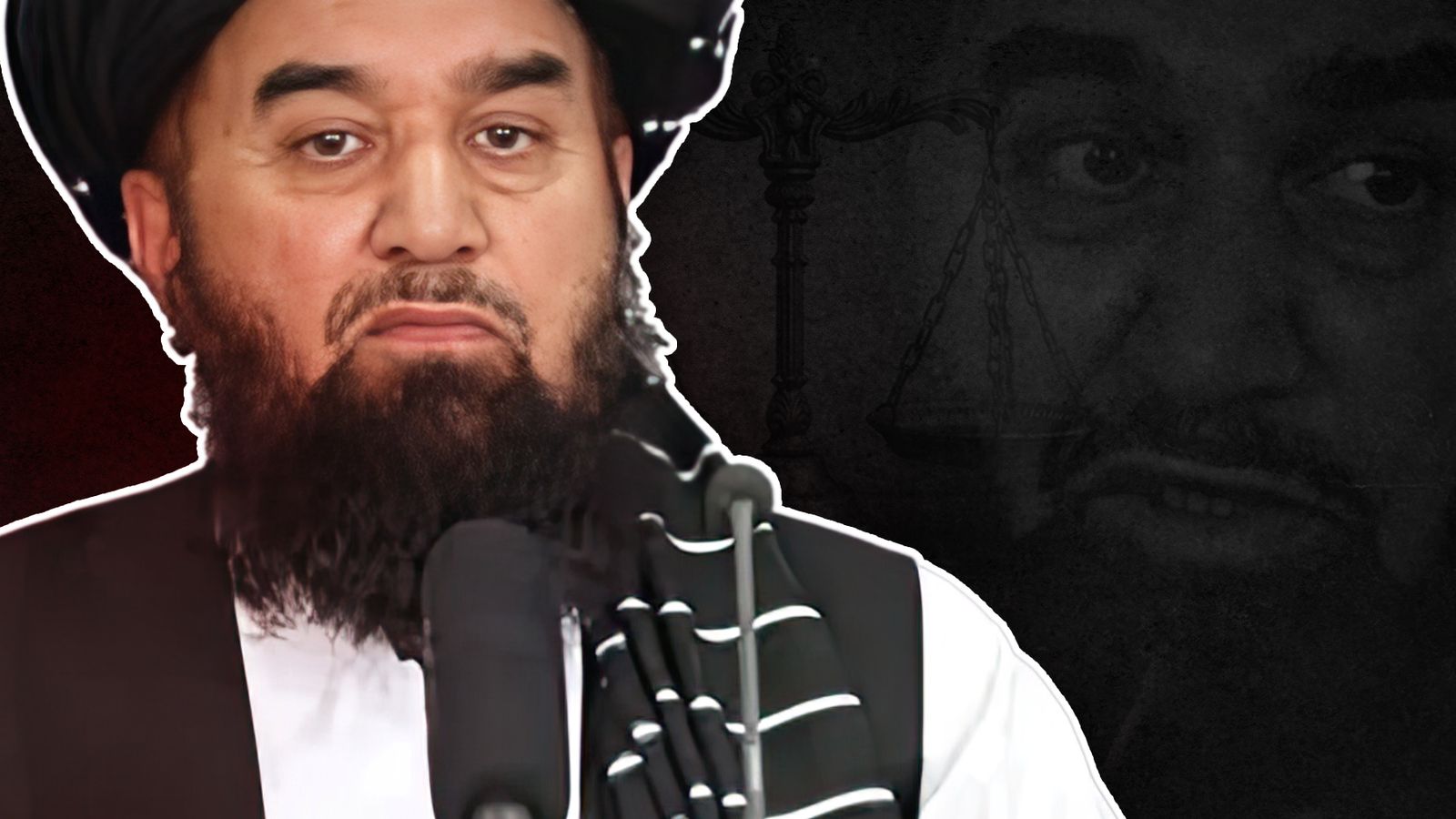
Sources in the Taliban Ministry of Justice claim that Abdul Hakim Sharaei, the minister, has dismissed more than 700 employees over the past four years on charges including poor performance, corruption, lack of loyalty to the Taliban, and ties to opponents. They say he recently fired another 70 staff members after confiscating their mobile phones and inspecting their social media accounts. Instead of experienced workers, sources allege he has hired Pashtun students from religious schools in Logar, Khost, and Maidan Wardak provinces who lack relevant expertise.
The sources accuse Sharaei of widespread nepotism, placing dozens of relatives including nephews, brothers-in-law, sons-in-law, and other kin in key and lucrative positions within the ministry. They claim he has misappropriated the ministry's budget, funneling millions of afghanis to himself and associates under the guise of perks. Additionally, a commission under his leadership to prevent land grabbing has been elevated to ministry status, effectively giving him control over two ministries for alleged extortion and bullying.
Further allegations include seizing dozens of jeribs of land in Deh Sabz district of Kabul, shops and markets in Khost from previous government officials, and over 60 residential houses in Darulaman, Kabul, which he rents out cheaply. Sources say he has used ministry green spaces for personal farming of wheat, sorghum, and saffron twice a year, and ministry resources to feed his livestock and heat his private cattle sheds with air conditioners sourced from Gulbuddin Hekmatyar's Hezb-e Islami office.
Non-Pashtun and religious/linguistic minority employees have reportedly faced intensified ethnic purges. Around 70 recently dismissed staff sent a protest letter to Taliban leader Hibatullah Akhundzada in Kandahar, but received no response, according to the sources. They add that files of fired employees are withheld, preventing reemployment and exacerbating economic hardships, while service delivery to the public has suffered.
Read the original reporting at Hasht-e Subh →
Reliability assessment
Single source relying on anonymous 'sources' within the ministry; sensational anti-Taliban framing with allegations of abuse and ethnic purges lacking on-record attribution or checkable details from named individuals.
Across the newsrooms
Filed by
Hasht-e Subh
Originating
Filed under
Politics — Taliban, Abdul Hakim Sharaei, Ministry of Justice, Corruption, Nepotism
Reader supported
Keep Ehtebar running
Every published story uses paid tools to translate reporting, compare sources, extract claims, and produce a clearer read on Afghanistan. Reader support helps keep that work independent.
€5
helps cover daily verification runs
€15
supports a week of source comparison
€50
keeps independent analysis moving
More in Politics

Islamic Emirate Leader Orders 21 New Appointments Across Government Posts
— Reliable

Discussion Held on Presenting Achievements of Government Program in Media
— Reliable

Supreme Court of the Islamic Emirate of Afghanistan Outlines Judicial Reforms and Achievements
— Unverified

Ministry of Information and Culture of the Islamic Emirate of Afghanistan Announces Annual Activities and Achievements
— Reliable