
ECONOMY — March 3, 2026
Structural Mismatch Between Economic Capacity and Consumption Patterns in Afghanistan
Analysis highlights a disconnect in Afghanistan between low per capita income of $400-450 annually and rising luxury consumption, especially in weddings, pressuring youth into debt. Reforms in production and consumption patterns are urged for sustainable development.
The Ehtebar Desk — originates with Hasht-e Subh — 2 min read
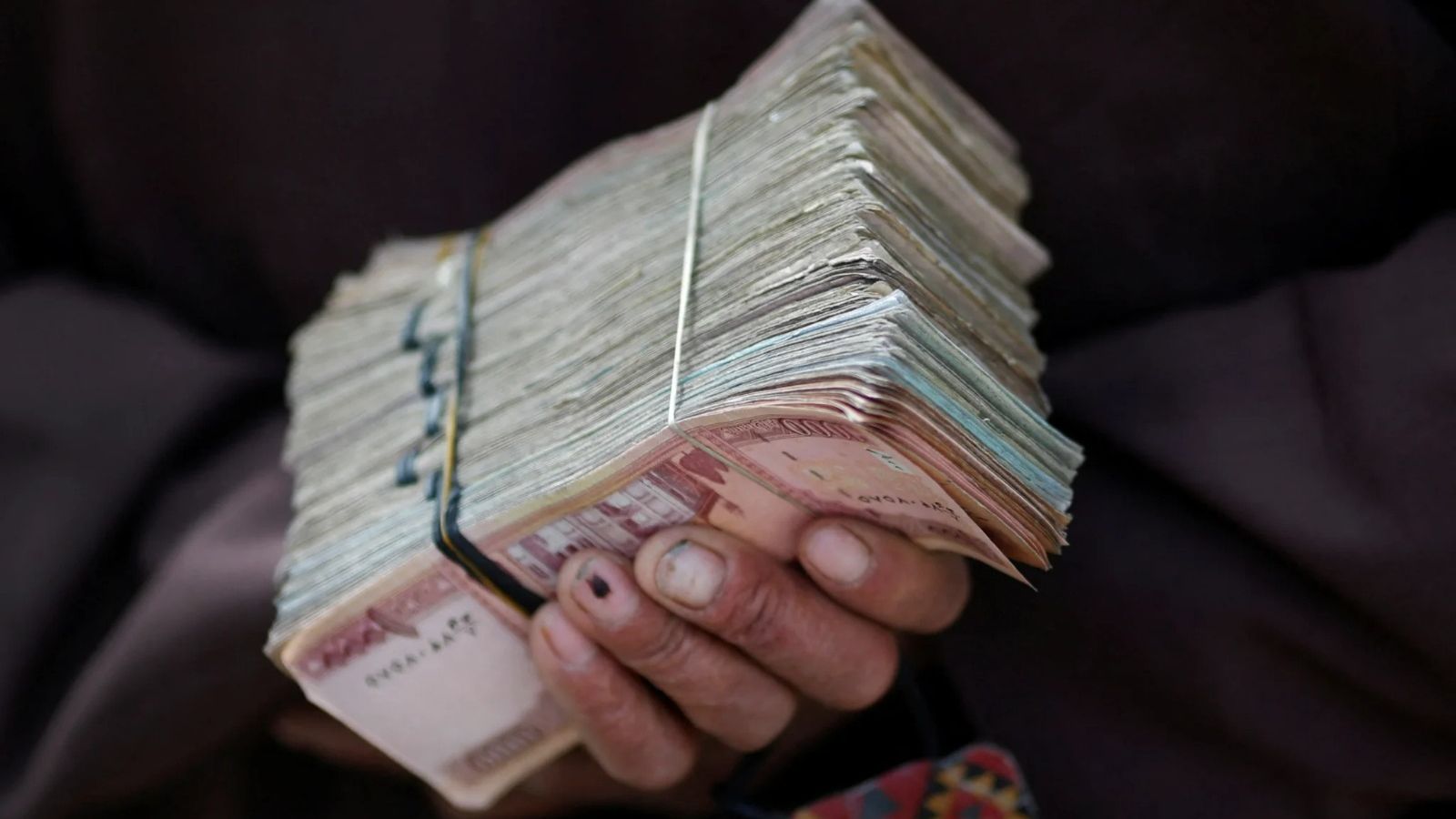
Afghanistan's economy faces a significant gap between average incomes and prevailing consumption patterns. Per capita income stands at approximately $400 to $450 annually, or less than $40 monthly per person. Even adjusted for purchasing power parity, this figure lags far behind many regional countries, indicating limited economic production capacity and vulnerability to shocks that can push families into poverty.
Poverty in Afghanistan is structural, affecting about half the population, with many more at risk. A large portion of the workforce operates in the informal sector without job security, insurance, or stable earnings. Educated youth often earn a few thousand afghanis monthly amid chronic economic insecurity, limiting savings, investment, or future planning.
Despite this, consumption patterns show growing ostentation, including lavish wedding halls, branded clothing, heavy gold jewelry, multi-stage ceremonies, and large parties, even among lower and middle classes. This imitates wealthier oil-rich economies, creating an illusion of prosperity mismatched with Afghanistan's low GDP per capita and investment levels.
Young people, particularly marriage-age individuals, bear the brunt. Expectations include high dowries, bride prices, gold, multiple outfits, separate ceremonies, and expensive venues, leading to debt, asset sales, forced migration, or delayed marriages. Customs once simple have escalated into competitive displays amplified by social media showcasing luxury cars, foreign trips, and opulent events.
Sustainable development requires balance between production, income, and consumption. Excessive spending based on debt and social pressure weakens household economies. Afghanistan needs simultaneous efforts to bolster productive sectors, create stable jobs, enhance workforce skills, and reform consumption culture.
Read the original reporting at Hasht-e Subh →
Reliability assessment
Single source provides concrete, checkable economic statistics (per capita income figures, poverty rates) typical of standard economic data; analysis of observable social trends without high-stakes claims or unverified events.
The source language mixes facts with framing or advocacy wording. Loaded phrases include 'فاصلهای نگرانکننده' (worrisome gap, emotional framing of economic disparity), 'توهم رفاه' (illusion of prosperity, judgmental critique of social behavior), and 'مسابقه خاموش' (silent competition, advocacy-tinged portrayal of customs as harmful contest). These mix analysis with opinionated language.
Across the newsrooms
Filed by
Hasht-e Subh
Originating
Filed under
Economy — Afghanistan economy, per capita income, poverty, consumption patterns, wedding costs
Reader supported
Keep Ehtebar running
Every published story uses paid tools to translate reporting, compare sources, extract claims, and produce a clearer read on Afghanistan. Reader support helps keep that work independent.
€5
helps cover daily verification runs
€15
supports a week of source comparison
€50
keeps independent analysis moving
More in Economy
Economic Commission Approves 37 Domestic Standards and 12 Testing Methods
— Reliable

Taliban Governor Says Around 700 Mines Under Extraction in Panjshir
— Reliable
Daily Production at Baghlan's Ghori Cement Factory Increases to 700 Tons
— Reliable

Two Irrigation and Flood-Prevention Projects Completed in Zabul
— Reliable