
ECONOMY — April 16, 2026
Swiss Report: Taliban Earn More Than 70 Million Dollars Annually from Afghan Overflights
A Swiss report states that the Taliban generate over 70 million dollars yearly from fees on international overflights through Afghanistan, which have increased fivefold due to the Ukraine war and Middle East tensions.
The Ehtebar Desk — originates with Amu TV — corroborated by Ariana News — 2 min read
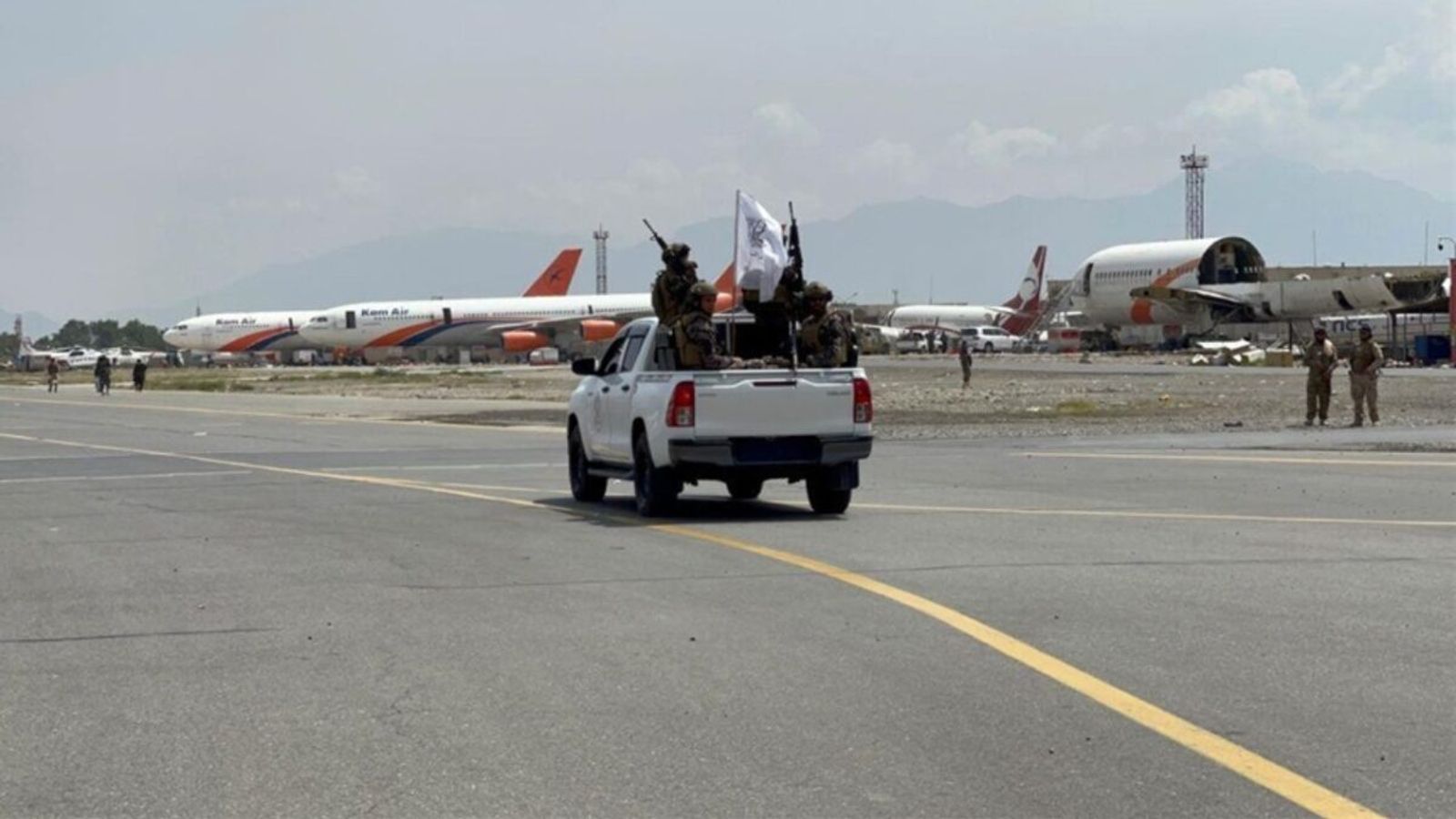
A report from Swiss Info has found that the Taliban are receiving more than 70 million dollars in annual revenue from international flights overflying Afghanistan.
The Swiss report indicates that around 2,000 flights now traverse Afghan airspace weekly, which is five times more than the number from last year. This significant increase is due to airlines avoiding routes affected by the war in Ukraine and ongoing tensions in the Middle East.
Each aircraft is charged a flat fee of roughly 700 dollars for crossing Afghan territory. This results in approximately 1.4 million dollars collected each week, totaling over 70 million dollars per year.
The fee structure is a fixed rate per flight rather than being based on the weight of the aircraft or the distance flown, which differs from standard international aviation practices.
Additionally, the report points out that Afghanistan lacks a comprehensive air traffic control system. Pilots are therefore required to communicate directly with one another to manage their positions, altitudes, and speeds, thereby assuming much of the responsibility for flight safety.
With these changes, Afghan airspace has become a crucial link for air travel between Europe and Asia. However, the absence of advanced navigation support has raised concerns, and some airlines have modified their schedules or canceled flights to certain destinations in response to the evolving security and logistical landscape.
The development underscores how geopolitical conflicts are reshaping global aviation routes, with Afghanistan emerging as an unintended beneficiary through increased transit fees.
Read the original reporting at Amu TV →
Reliability assessment
Two independent Afghan outlets corroborate the same Swiss Info report on the core event of increased overflights and Taliban revenue generation (with specific, checkable figures and attribution to the Swiss source). Minor discrepancies (e.g. daily vs weekly flight count) do not undermine the underlying story, as the revenue and causal factors align consistently.
The source language reads straight.
Independent web corroboration
A separate web search returned 8 matching reports. A selection:
The Taliban collect a fee of $700 (CHF548) per aircraft. This is generating revenue of around $1.4 million per week, which adds up to just over $70 million a year a lot of money for a country that hardly does anything for flight safety.
Das sind rund fünfmal mehr Transits als vor einem Jahr. Pro Flugzeug kassieren die Taliban eine Gebühr von 700 Dollar....
- Taliban-Überfluggebühren: Wie Airlines 70 Millionen Dollar im Jahr nach Kabul zahlen - 20 Minuten20min.ch
Die Taliban kassieren 700 Dollar pro Überflug und verdienen so 70 Millionen Dollar pro Jahr. Afghanistan bietet keine Flugsicherung an – die Crews koordinieren sich selbst.
Rund 2000 Flüge pro Woche passieren Afghanistan – ohne funktionierende Flugsicherung, aber mit Gebühren.
Across the newsrooms
Where reports agree
- The core story originates from a Swiss Info report about increased overflights generating significant revenue for the Taliban
- Flight numbers through Afghan airspace have increased approximately fivefold compared to last year due to restrictions from the Ukraine war and Middle East tensions
- A fixed overflight fee of about $700 per aircraft generates ~$1.4M weekly / >$70M annually
- Absence of full air traffic control services, with pilots self-coordinating
- Fees are a flat rate unlike standard international practices based on weight or distance
- Afghan airspace is now an important Europe-Asia transit route amid geopolitical changes
Where reports differ
- Number of flights: Amu TV reports 'about 2000 flights...daily'; Ariana News reports 'nearly two thousand flights...per week' (the weekly figure is consistent with the stated revenue math)
- Amu TV mentions income includes flights with Swiss passengers; Ariana News does not reference this
- Ariana News mentions some airlines canceling flights to Middle Eastern countries and shifting interest to Europe/Caribbean; Amu TV focuses more on forced route changes and infrastructure challenges
Filed by 2 outlets
Amu TV
Originating
Reported straight
Reported straight
Ariana News
Reported straight
Reported straight
Filed under
Economy — Taliban, Airspace Revenue, Overflight Fees, Swiss Info, Aviation Infrastructure
Reader supported
Keep Ehtebar running
Every published story uses paid tools to translate reporting, compare sources, extract claims, and produce a clearer read on Afghanistan. Reader support helps keep that work independent.
€5
helps cover daily verification runs
€15
supports a week of source comparison
€50
keeps independent analysis moving
More in Economy

Economic Commission Approves 37 Domestic Standards and 12 Testing Methods
— Reliable

Taliban Governor Says Around 700 Mines Under Extraction in Panjshir
— Reliable

Daily Production at Baghlan's Ghori Cement Factory Increases to 700 Tons
— Reliable

Two Irrigation and Flood-Prevention Projects Completed in Zabul
— Reliable