
ECONOMY — February 13, 2026
Taliban bans returning migrants from bringing food, medicines across Torkham
Taliban official in Nangarhar bans returning migrants from Pakistan from carrying food and medicines across Torkham border, amid reports of rising medicine prices and hoarding. The restriction follows broader trade bans and escalating tensions with Pakistan.
The Ehtebar Desk — originates with Amu TV — 2 min read
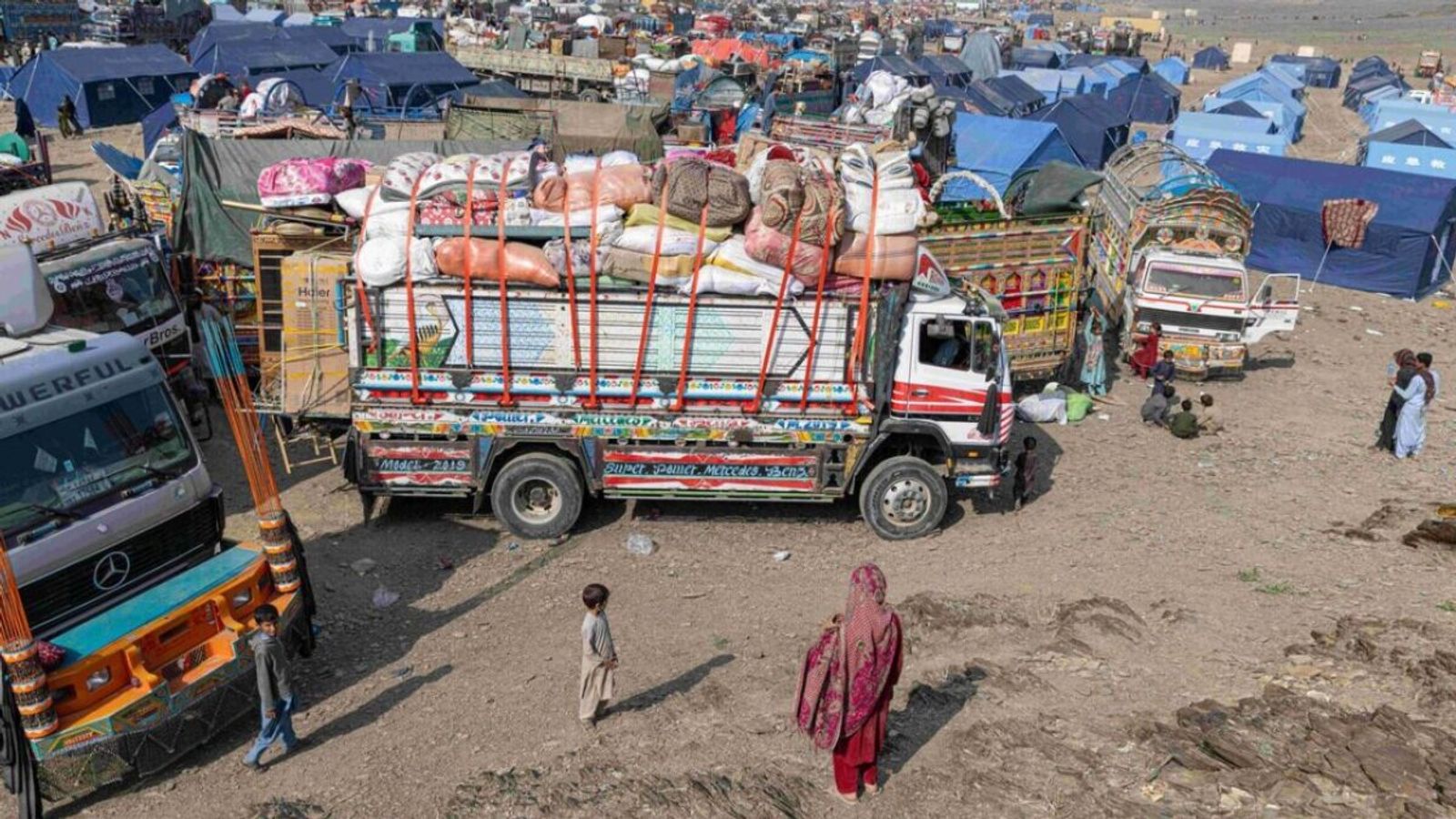
Qureshi Badlon, the Taliban director of information and culture in Nangarhar province, stated that migrants returning from Pakistan to Afghanistan are prohibited from bringing food items and medicines with them.
He specified that items such as honey, sugar, oil, medicines and fresh fruits carried by returnees are stopped at the Torkham customs post. Badlon emphasized in a statement that these goods are deemed illegal and their entry constitutes smuggling. He urged migrants to avoid transporting such items to prevent issues at the border.
Informed local sources from several provinces previously told Amu TV that following the Taliban's announcement of a complete ban on medicine imports from Pakistan, medicine prices in Afghan markets have risen and some Pakistani-made drugs are being hoarded. These sources noted that a significant portion of medicines available in Afghanistan were previously imported from Pakistan, and the sudden halt has raised concerns among patients, pharmacists and traders.
The measure comes amid tensions between the Taliban and Pakistan ongoing for over three months. Some officials from the previous government described the parties as strategic allies turned rivals. The disputes intensified after Pakistan accused the Taliban of destabilizing its country and supporting militant groups, charges the Taliban have repeatedly denied.
The fallout of these tensions is affecting citizens of both countries, including traders, importers, patients and low-income families facing higher costs and new challenges. Economic experts warn that prolonged trade restrictions, particularly on medicines, could worsen the crisis in access to health services in Afghanistan.
Read the original reporting at Amu TV →
Reliability assessment
Single source with direct, on-record attribution to named official Qureshi Badlon, including specific location (Torkham) and concrete details (listed items banned); core claim of official statement is checkable and not high-stakes/volatile.
Across the newsrooms
Filed by
Amu TV
Originating
Filed under
Economy — Taliban, Nangarhar, Torkham, Pakistan, medicine
Reader supported
Keep Ehtebar running
Every published story uses paid tools to translate reporting, compare sources, extract claims, and produce a clearer read on Afghanistan. Reader support helps keep that work independent.
€5
helps cover daily verification runs
€15
supports a week of source comparison
€50
keeps independent analysis moving
More in Economy
Economic Commission Approves 37 Domestic Standards and 12 Testing Methods
— Reliable

Taliban Governor Says Around 700 Mines Under Extraction in Panjshir
— Reliable
Daily Production at Baghlan's Ghori Cement Factory Increases to 700 Tons
— Reliable
Two Irrigation and Flood-Prevention Projects Completed in Zabul
— Reliable