
POLITICS — February 15, 2026
Taliban Begins Implementing Penal Code Principles with Sentencing in Badghis
The Taliban has started enforcing its new penal code principles, sentencing a man in Badghis province to prison and lashes for insulting the leader, amid criticism from activists and scholars.
The Ehtebar Desk — originates with Amu TV — 2 min read
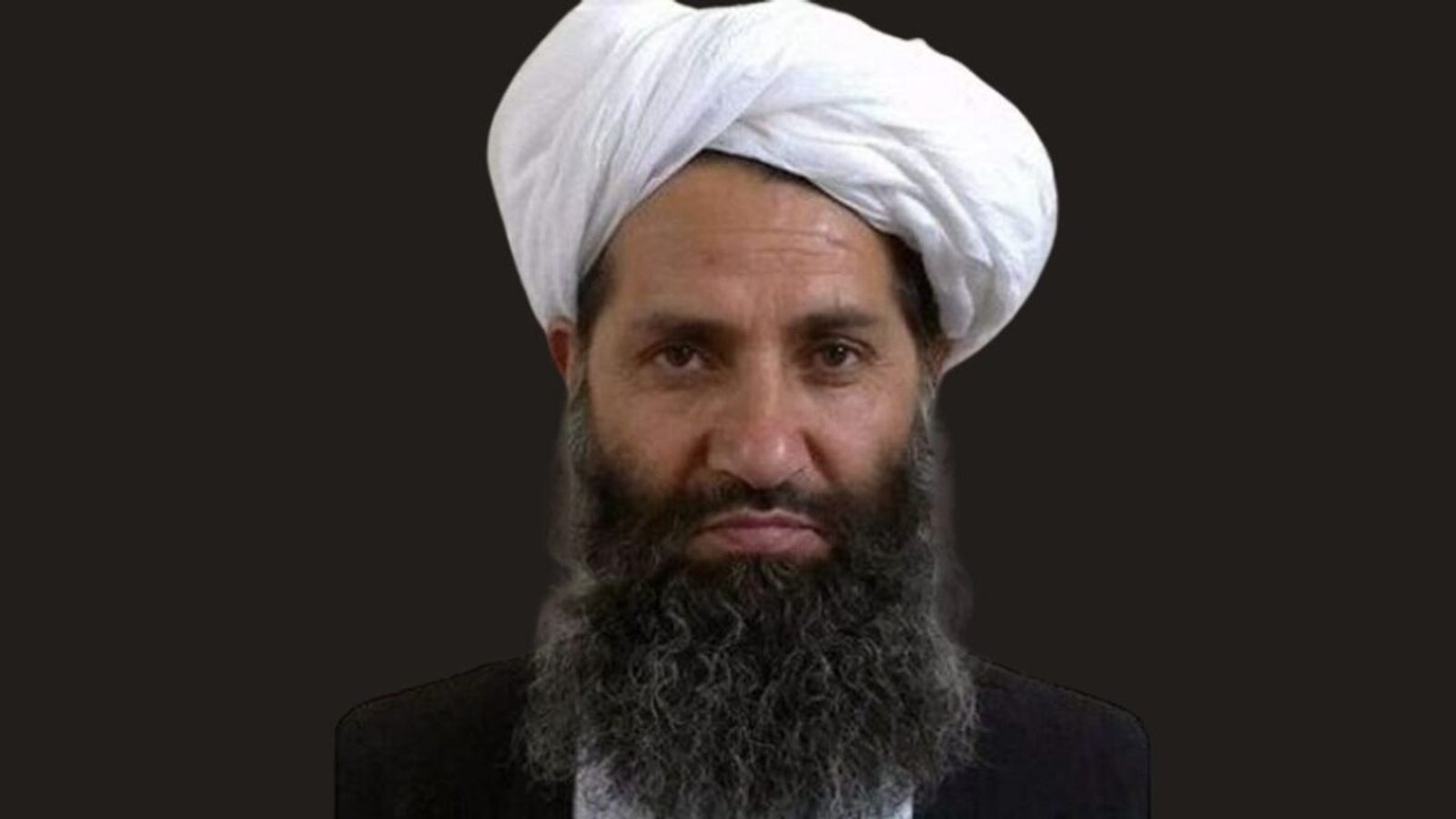
An exclusive Amu TV report indicates that the Taliban has begun implementing its penal code principles, with the first case involving the sentencing of a man to one year in prison and 39 lashes for insulting the Taliban leader.
Three local and informed sources confirmed to Amu TV that a Taliban primary court in Jahan Dosti village, Bala Murghab district of Badghis province, convicted Abdul Khaliq, son of Abdul Qudos and a resident of the village, under Article 18 of the penal code principles. The sources said the man made remarks about the Taliban leader during a gathering, prompting a complaint from a Taliban member who arrested him on the spot.
Social activist Nergis Haydari stated: "When even criticism of the leader is criminalized, this creates deep concerns about citizens' basic rights, the right to critique, the right to critique power, and the rule of law. Glorifying one individual and punishing any opposing speech contradicts an open and accountable society."
The Taliban leader recently approved the penal code principles, spanning 10 chapters and 119 articles. Several articles have drawn criticism for allegedly suppressing people and violating human rights, with some human rights groups warning of mentions of 'slavery' and heavy punishments for the public while exempting Taliban members and supporters. The Taliban has threatened legal action against critics without responding to concerns.
Taliban spokesperson Zabihullah Mujahid said: "This is the Sharia principles code (in Taliban terms). We respectfully ask those protesting to first refer to the Sharia."
Some religious scholars have criticized parts of the code, arguing it contradicts Islamic teachings and the Hanafi school, even granting the Taliban authority over matters that are permissible. A recent video circulating on social media features a scholar saying: "If a Maliki becomes Hanafi, what do you do, imprison him? With regret, this law is neither based on Sharia nor properly on the Hanafi school... Imprisoning someone for two years is injustice... It wastes a person's life, a crime against him and his family."
Read the original reporting at Amu TV →
Reliability assessment
Single outlet reporting a specific ground event (sentencing) attributed to three unnamed local sources; sensitive topic involving human rights and Taliban governance, with second-hand attribution.
Across the newsrooms
Filed by
Amu TV
Originating
Filed under
Politics — Taliban, Badghis, Penal Code, Human Rights
Reader supported
Keep Ehtebar running
Every published story uses paid tools to translate reporting, compare sources, extract claims, and produce a clearer read on Afghanistan. Reader support helps keep that work independent.
€5
helps cover daily verification runs
€15
supports a week of source comparison
€50
keeps independent analysis moving
More in Politics

Islamic Emirate Leader Orders 21 New Appointments Across Government Posts
— Reliable

Discussion Held on Presenting Achievements of Government Program in Media
— Reliable
Supreme Court of the Islamic Emirate of Afghanistan Outlines Judicial Reforms and Achievements
— Unverified
Ministry of Information and Culture of the Islamic Emirate of Afghanistan Announces Annual Activities and Achievements
— Reliable