
POLITICS — February 15, 2026
Taliban Deputy Claims Mujahideen Inflicted Misfortunes on Afghans After Soviet Withdrawal
Taliban official Abdul Salam Hanafi accused the Mujahideen of causing ethnic and sectarian divisions after Soviet forces withdrew, while praising Mullah Omar's role in founding the first Taliban rule. The remarks were made at an anniversary event amid calls from another Taliban minister to avoid prejudices.
The Ehtebar Desk — originates with Hasht-e Subh — 2 min read
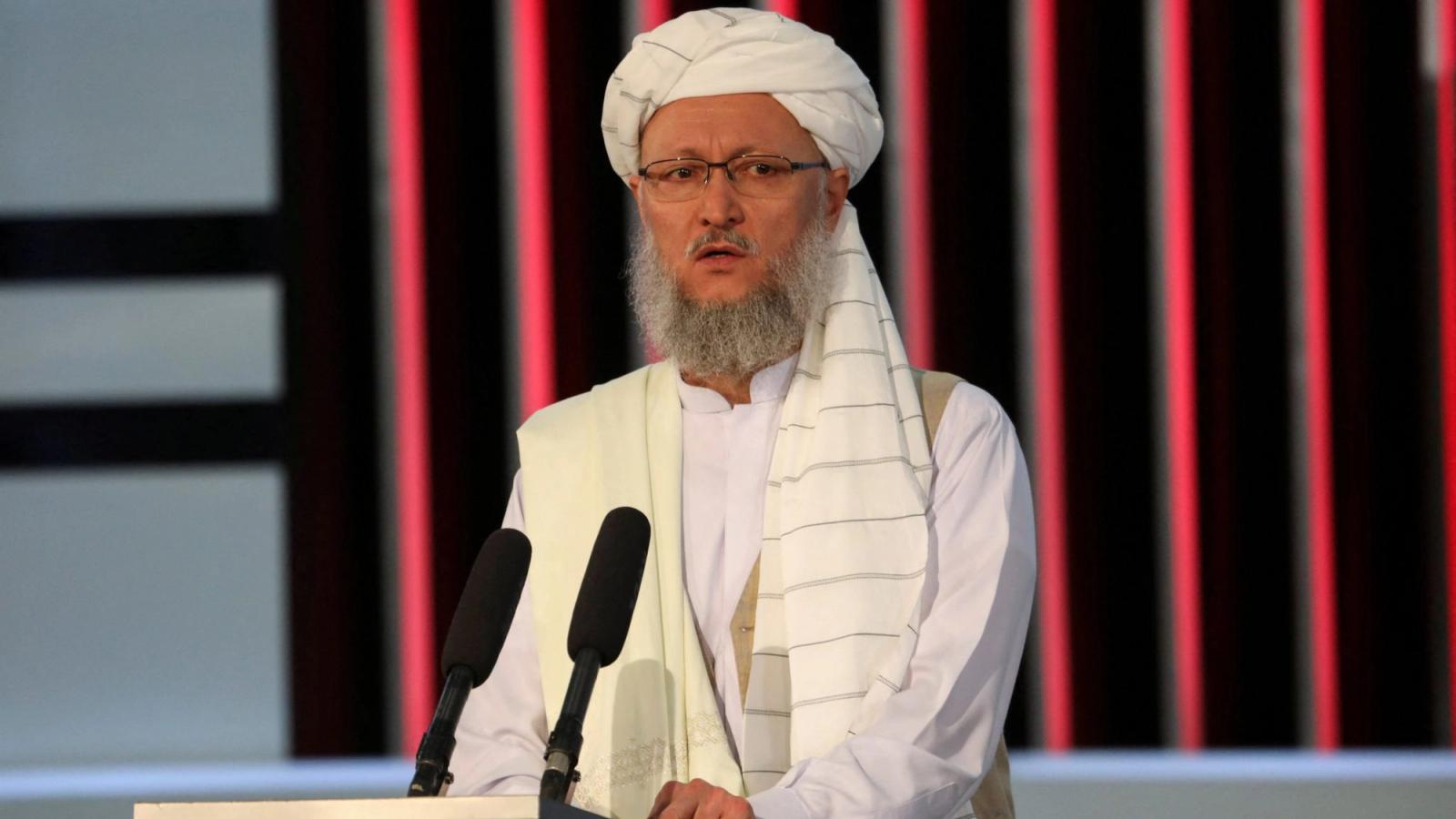
KABUL (Afghan Verified) — Abdul Salam Hanafi, deputy administrative head of the Taliban prime minister's office, claimed that after the withdrawal of Soviet forces, the Mujahideen fought each other for power and subjected Afghanistan's people to sectarian, ethnic, linguistic and other divisions.
Hamidullah Fitrat, deputy Taliban spokesperson, said in a Sunday press release that Hanafi made the remarks at an event marking the anniversary of the Soviet withdrawal from Afghanistan. Hanafi stated that Mullah Mohammad Omar, the former Taliban leader, rose up alongside some Mujahideen at the time to liberate the people, establishing the first Taliban emirate and consolidating security.
Hanafi added that following the Saur Revolution coup, thousands of religious scholars were buried alive in deserts and mass graves. He said the subsequent Soviet invasion resulted in millions of Afghans becoming martyrs, wounded, disabled, homeless or refugees. Despite this, he asserted, Afghans never accepted the invasion, resisted Soviet forces and drove them from the country.
The comments come as Yaqub Mujahid, Taliban defense minister, urged members of the group at the 37th anniversary ceremony of the Soviet withdrawal to refrain from ethnic and linguistic prejudices.
The Hasht-e Subh report notes that prejudices related to language, religion, ethnicity and gender have increased in Afghanistan since the Taliban's return to power.
Read the original reporting at Hasht-e Subh →
Reliability assessment
Single source provides direct, on-record attribution via Taliban press release to named officials (Hanafi, Fitrat) at a specific event (Soviet withdrawal anniversary ceremony) with concrete historical references; not an unverified ground event.
Across the newsrooms
Filed by
Hasht-e Subh
Originating
Filed under
Politics — Taliban, Abdul Salam Hanafi, Soviet withdrawal, Mujahideen, Mullah Omar
Reader supported
Keep Ehtebar running
Every published story uses paid tools to translate reporting, compare sources, extract claims, and produce a clearer read on Afghanistan. Reader support helps keep that work independent.
€5
helps cover daily verification runs
€15
supports a week of source comparison
€50
keeps independent analysis moving
More in Politics
Islamic Emirate Leader Orders 21 New Appointments Across Government Posts
— Reliable
Discussion Held on Presenting Achievements of Government Program in Media
— Reliable
Supreme Court of the Islamic Emirate of Afghanistan Outlines Judicial Reforms and Achievements
— Unverified
Ministry of Information and Culture of the Islamic Emirate of Afghanistan Announces Annual Activities and Achievements
— Reliable