
POLITICS — February 13, 2026
Taliban Deputy Prime Minister: Neither Eastern nor Western, We Are Neutral
Taliban Deputy Prime Minister Abdul Salam Hanafi affirmed Afghanistan's neutrality in global affairs, urged win-win ties with neighbors like Pakistan, and called for Western investment amid economic focus. He denied allowing anti-Pakistan militants on Afghan soil while noting ties with China, Russia, and Iran.
The Ehtebar Desk — originates with Afghanistan International — 2 min read
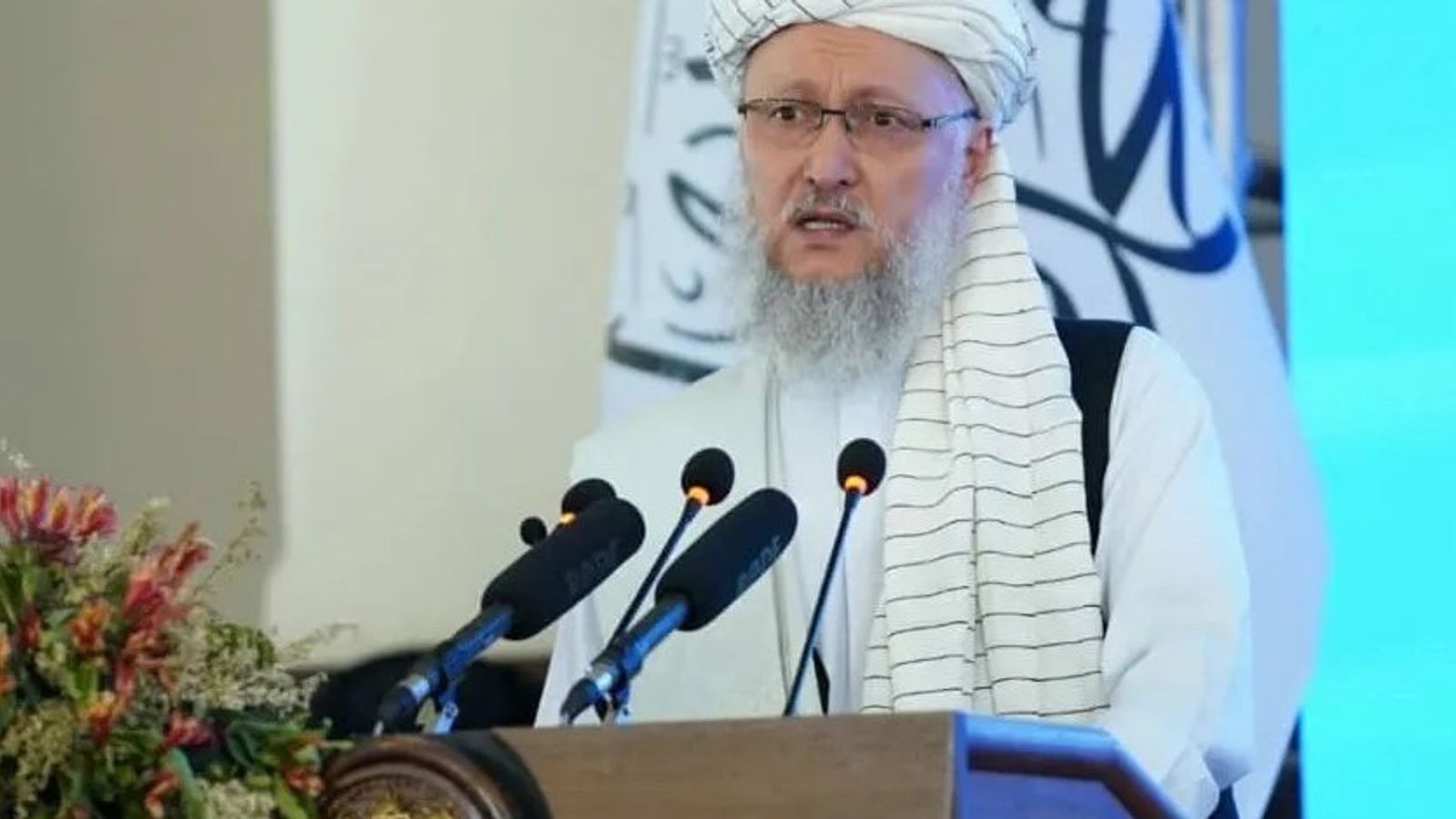
Taliban Deputy Prime Minister Abdul Salam Hanafi stated that Afghanistan maintains a policy of neutrality, declaring, "We do not act with the East against the West, nor with the West against the East." He emphasized that Afghanistan is an "independent and neutral" country.
Addressing tensions with Pakistan, Hanafi said that "with war and intervention, no achievement except loss and damage will be obtained." He urged neighboring countries not to "see your prosperity in our destruction" and called for relations based on a "win-win" principle rather than "win and loss." Hanafi affirmed that the Taliban "have no problem with any of the neighbors," do not interfere in other countries' internal affairs, and will not allow Afghan soil to be used against others.
Pakistan has repeatedly accused the Taliban of permitting its armed opponents to operate from Afghan territory, claiming increased insecurity in Balochistan and Khyber Pakhtunkhwa since the Taliban's 2021 return to power. The Taliban have denied these accusations.
Hanafi noted the Taliban's close relations with China, Russia, and Iran over the past three years, with these countries supporting the Taliban in international forums like the UN Security Council. Russia has recognized the Taliban administration, and Iran has elevated ties with Kabul, while Western countries maintain no official relations.
Reflecting on the 20-year war with the United States and NATO, Hanafi described it as "part of our history" and invited Western countries to return for investments in various economic sectors. He stressed that Taliban policy is "economy-oriented," focused on development and attracting investment.
However, observers assess that Afghanistan's investment environment remains unviable due to Taliban actions. A recent UN Development Program report cited banking restrictions, weak infrastructure, instability, and low bank account ownership—only 6% of the population—as deterrents to investors.
Read the original reporting at Afghanistan International →
Reliability assessment
Single source provides direct, on-record attribution to named official (Deputy PM Abdul Salam Hanafi) with concrete quotes on foreign policy and relations; not an unverified ground event.
Across the newsrooms
Filed by
Afghanistan International
Originating
Filed under
Politics — Taliban, Abdul Salam Hanafi, Pakistan, Afghanistan foreign policy, Investment
Reader supported
Keep Ehtebar running
Every published story uses paid tools to translate reporting, compare sources, extract claims, and produce a clearer read on Afghanistan. Reader support helps keep that work independent.
€5
helps cover daily verification runs
€15
supports a week of source comparison
€50
keeps independent analysis moving
More in Politics

Islamic Emirate Leader Orders 21 New Appointments Across Government Posts
— Reliable
Discussion Held on Presenting Achievements of Government Program in Media
— Reliable
Supreme Court of the Islamic Emirate of Afghanistan Outlines Judicial Reforms and Achievements
— Unverified
Ministry of Information and Culture of the Islamic Emirate of Afghanistan Announces Annual Activities and Achievements
— Reliable