
SOCIETY — May 5, 2026
Taliban Education Department Orders School Mergers and Class Size Increases Amid Teacher Shortage
The Taliban’s education department has ordered school mergers and increased class sizes to 45 students amid a nationwide teacher shortage, while implementing new age and gender requirements for primary school instructors. UNICEF warns the country could lose 20,000 educators by 2030 due to ongoing restrictions.
The Ehtebar Desk — originates with Hasht-e Subh — 2 min read
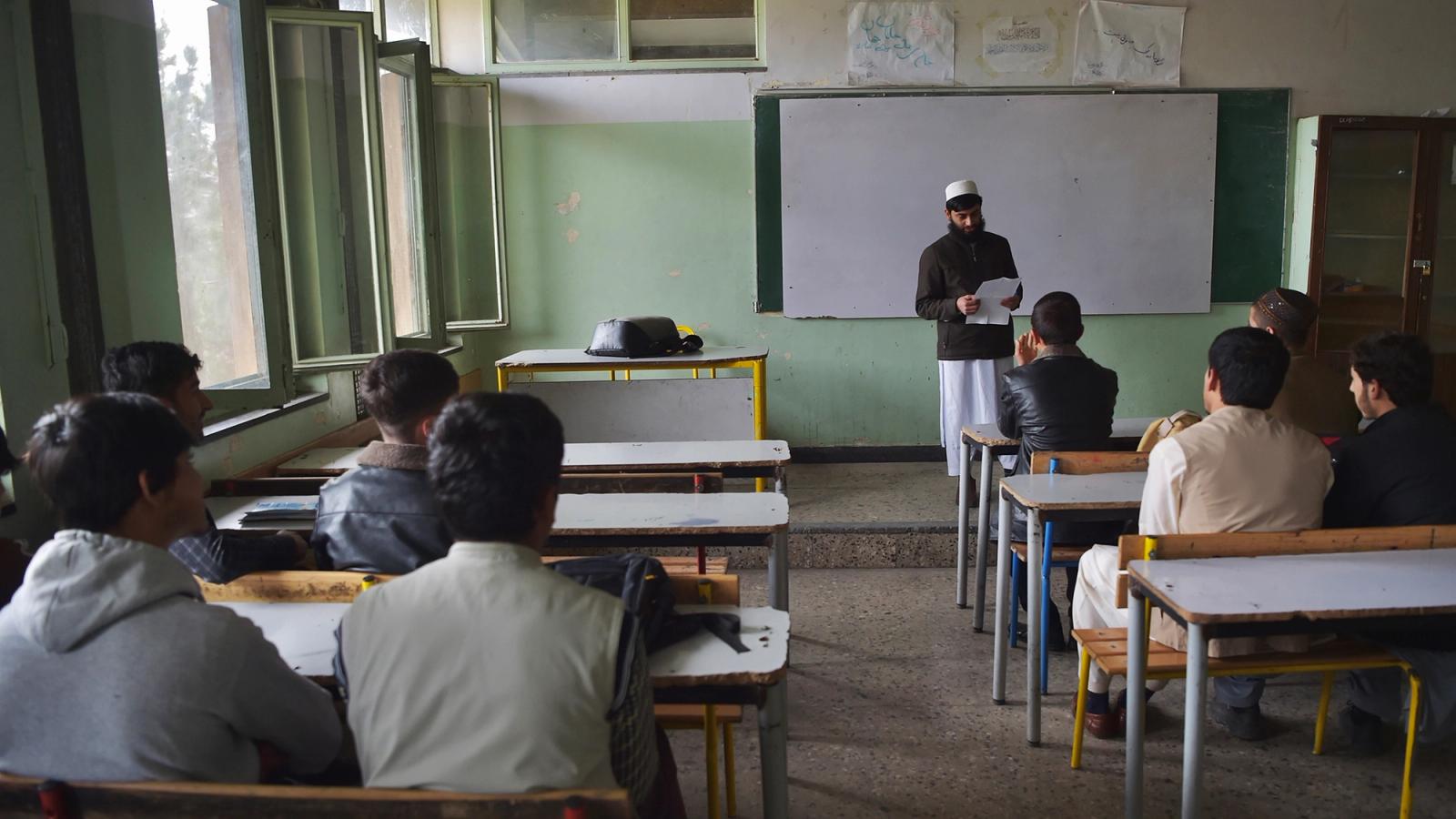
The Taliban’s education department has issued a directive ordering the merger of neighboring schools and an increase in class sizes to 45 students. The policy, announced on 15 Thawr, comes amid a growing shortage of educators across the country.
Under the new guidelines, provincial education offices are instructed to consolidate under-enrolled institutions. The directive also outlines specific staffing requirements for primary education, mandating the hiring of female teachers for early grades. For girls’ primary schools, male religious instructors must be at least 50 years old to teach grades one through six.
The restructuring follows reports of declining student enrollment in several provinces, particularly in Kandahar, where families have increasingly transferred children to religious seminaries. Education officials have cited these shifts as a primary driver for the consolidation plan.
The teacher shortage has been compounded by administrative changes implemented over the past year. The Taliban leadership previously canceled hundreds of teaching contracts, disproportionately affecting female educators, while simultaneously raising salaries for religious instructors.
International organizations have raised concerns about the long-term impact of these policies on the education sector. UNICEF has projected that Afghanistan could lose approximately 20,000 teachers by 2030 if current restrictions and structural changes continue. The consolidation of schools and adjustments to class sizes are expected to place additional strain on remaining educational infrastructure as authorities attempt to balance staffing constraints with student demand.
Read the original reporting at Hasht-e Subh →
Reliability assessment
Single source provides concrete, attributable details including a specific directive date (15 Thawr), explicit policy parameters (class size of 45, minimum age of 50 for male instructors in girls' primary schools, hiring female teachers for primary grades), and references to UNICEF projections and Kandahar provincial reports. The core event is clearly documented with checkable specifics.
The source language reads straight.
Independent web corroboration
A separate web search returned 8 matching reports. A selection:
More than one million girls have been denied their right to learn since Taliban authorities banned girls from secondary education in September 2021. If that remains in place until 2030, more than two million girls will have been deprived of education beyond primary school in a country that already has one of the lowest female literacy rates in the world.
- UNICEF warns Afghanistan could lose up to 25,000 female health workers, teachers | Reutersreuters.com
Afghanistan is at risk of losing more than 25,000 female teachers and health workers by 2030 if the Taliban-led country's restrictions on girls' education and women's employment are not lifted, according to a new UNICEF report released ...
Across the newsrooms
Filed by
Hasht-e Subh
Originating
Reported straight
Reported straight
Filed under
Society — Taliban, Education Policy, UNICEF, Kandahar, Teacher Shortage
Reader supported
Keep Ehtebar running
Every published story uses paid tools to translate reporting, compare sources, extract claims, and produce a clearer read on Afghanistan. Reader support helps keep that work independent.
€5
helps cover daily verification runs
€15
supports a week of source comparison
€50
keeps independent analysis moving
More in Society
Health Officials and Experts Discuss Rise in Black Jaundice Cases in Afghanistan
— Reliable
Discussion on Agricultural Products and Health Services in Samangan Province
— Reliable
WHO Report Cites Taliban Restrictions and Funding Shortfalls as Threats to Health Services in Afghanistan
— Reliable
Afghan officials report returns of families from Pakistan and Iran alongside releases from Pakistani prisons
— Reliable