
ECONOMY — February 17, 2026
Taliban Halts Medicine Imports from Pakistan, Leading to Price Hikes and Quality Concerns in Afghanistan
A Taliban decision to stop medicine imports from Pakistan has driven up drug prices by up to three times and raised concerns over quality, with doctors reporting side effects from alternatives.
The Ehtebar Desk — originates with Hasht-e Subh — 2 min read
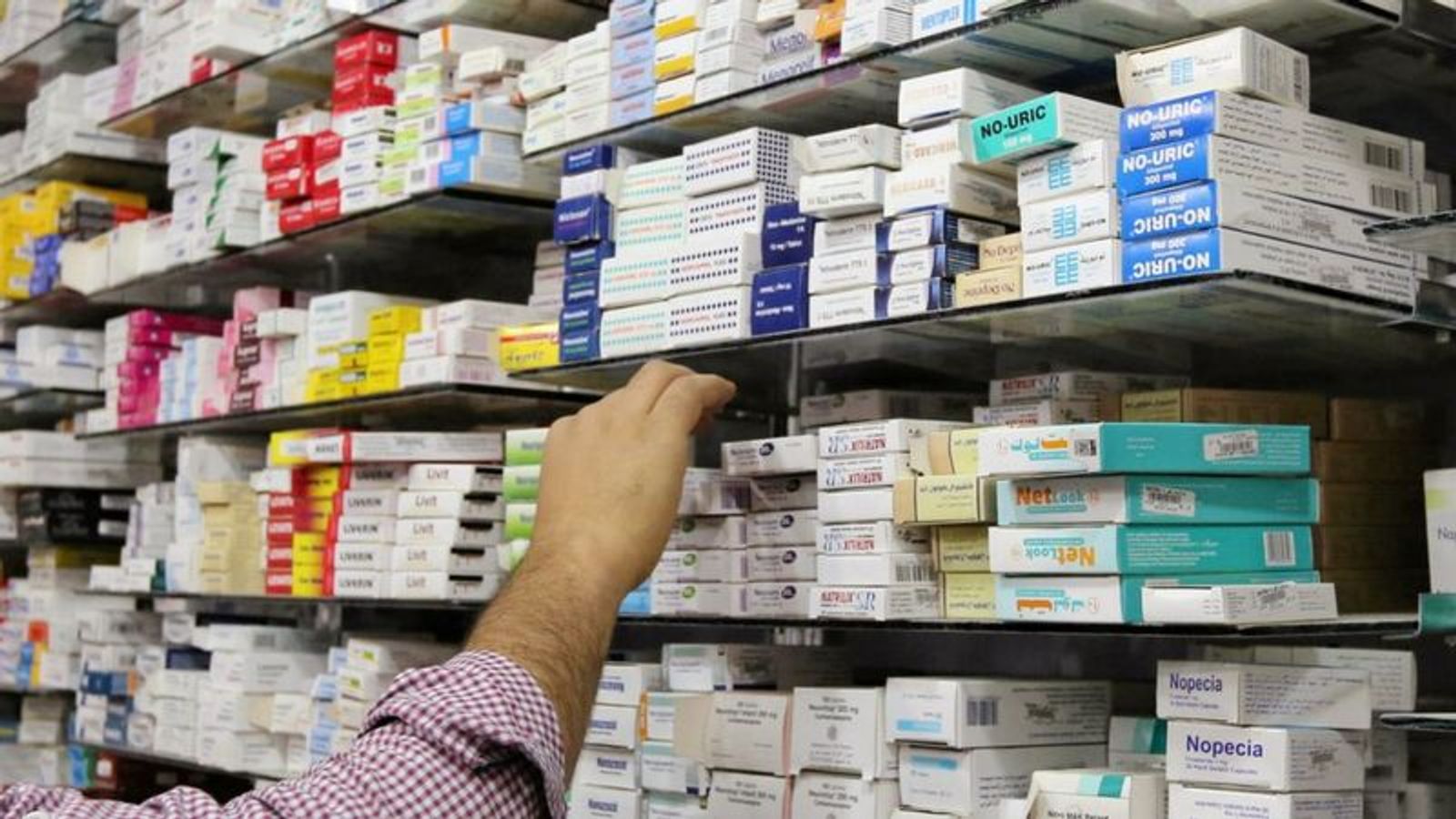
Following a Taliban order to completely halt medicine imports from Pakistan, drug prices in Afghanistan have risen sharply, raising serious concerns among doctors and patients.
Doctors note that Pakistan has been the cheapest and most accessible source due to geographic proximity, with even Indian imports typically transiting through Pakistan. They express doubts about the quality of some Indian drugs, citing past experiences where countries faced issues. Pharmacists confirm that closing the Pakistan transit route and halting direct imports has increased prices of drugs from other countries by about 20 percent, while previously imported Pakistani drugs and others have risen two to three times.
Doctors, pharmacists, and patients report severe worries over escalating prices and the proliferation of low-quality drugs. Local production and Indian alternatives have reportedly caused side effects, with patients returning after one day, sometimes insulting physicians. An anonymous doctor in Ghor province highlighted additional restrictions on health centers, including deaths of women due to a lack of female specialists and staff at Ghor hospital corridors. He warned that poor residents of Ghor would suffer most.
The Ghor doctor stated that most commercial drugs (Iranian, Indian, Turkish) and local products lack sufficient quality. Patients previously using Pakistani brands like GSK, Abbott Laboratories, and Sanofi now face issues with substitutes. For instance, a patient improved on Pakistani Alsank (sucralfate) syrup and Nexium (esomeprazole) capsules but worsened severely after switching to Indian versions, experiencing breathing difficulties. Indian Q-Ginko syrup caused diarrhea, nausea, and dizziness in three patients, while Polyfine multivitamins led to kidney problems and digestive issues.
Prices have surged: Indian esomeprazole (Wonon) capsules rose from 68-70 afghanis to over 100 afghanis per pack. Stockpiled Pakistani drugs like Gausskan anti-acid syrup jumped from 32 to 88 afghanis. Dr. Nesim Saba commented on the Indian drug market compared to Pakistan.
Read the original reporting at Hasht-e Subh →
Reliability assessment
Single source with concrete details from quoted doctors (named and anonymous) including specific drug names, prices, and examples, but the core Taliban order is second-hand attribution without direct official confirmation; article features strong anti-Taliban framing.
Across the newsrooms
Filed by
Hasht-e Subh
Originating
Filed under
Economy — Taliban, Pakistan, medicine imports, drug prices, Ghor
Reader supported
Keep Ehtebar running
Every published story uses paid tools to translate reporting, compare sources, extract claims, and produce a clearer read on Afghanistan. Reader support helps keep that work independent.
€5
helps cover daily verification runs
€15
supports a week of source comparison
€50
keeps independent analysis moving
More in Economy
Economic Commission Approves 37 Domestic Standards and 12 Testing Methods
— Reliable

Taliban Governor Says Around 700 Mines Under Extraction in Panjshir
— Reliable
Daily Production at Baghlan's Ghori Cement Factory Increases to 700 Tons
— Reliable

Two Irrigation and Flood-Prevention Projects Completed in Zabul
— Reliable