
POLITICS — June 15, 2026
Taliban in Balkh Ban Government Employees from Using Smartphones Even at Home
The order applies to all salary recipients from the regime with no exemptions and is enforced through device confiscation, destruction, and military court referrals under oversight by the Military Court and Directorate for Pursuing Decrees.
The Ehtebar Desk — originates with Hasht-e Subh — 2 min read
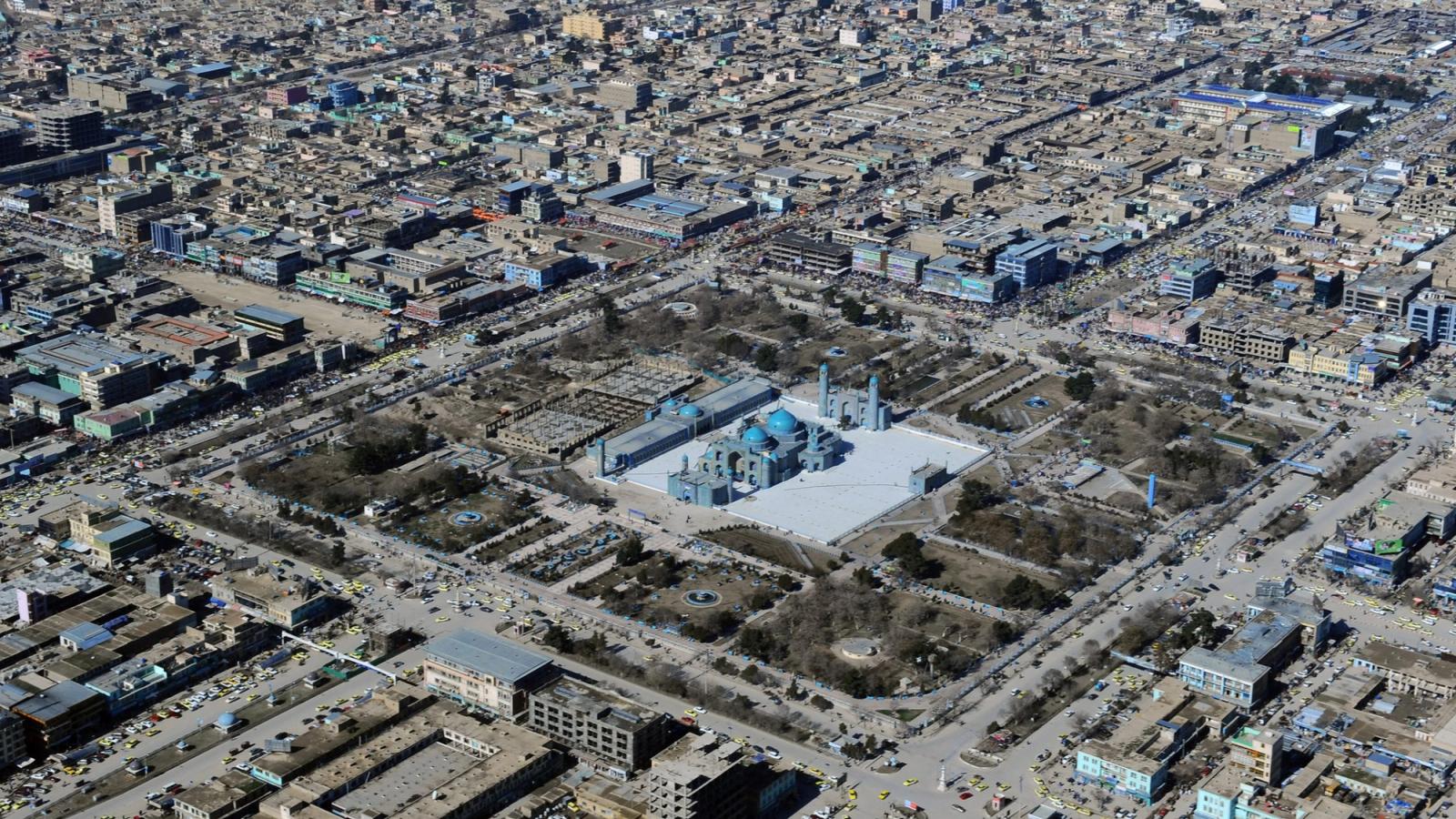
Local sources in Balkh province report that the Taliban have banned government employees from using smartphones even at home and outside offices. Violations lead to confiscation, destruction of devices, and referral to military courts. The order applies to all salary recipients from the Taliban regime.
The ban is being monitored by the Military Court and Directorate for Pursuing Decrees. Local sources indicate that the directive is comprehensive and leaves no room for exemptions.
Reports suggest that the measure is part of broader efforts to control the use of technology among those employed by the regime. Employees are expected to comply fully with the restrictions both during and after working hours.
In cases where the ban is breached, the smartphones are confiscated and broken. The violators are then referred to the military courts for processing.
The Directorate for Pursuing Decrees and Orders is tasked with ensuring that the order is enforced across the relevant departments. This includes regular checks and monitoring activities.
Similar smartphone bans have been reported in other institutions under Taliban control. In Khost, schools have seen forced phone-breaking as part of the enforcement.
Read the original reporting at Hasht-e Subh →
Reliability assessment
Multiple independent outlets (Afghanistan International, KabulNow, Azernews) published reports in early-to-mid June 2026 confirming the same core event: Taliban leader Hibatullah Akhundzada issued a verbal order banning smartphone use by government employees (and Taliban members), with enforcement via military courts and related directives. This directly corroborates the story's central claim of a Taliban smartphone ban on government employees, including details on violations and monitoring, even though the original report localized it to Balkh province.
The source language reads straight.
Independent web corroboration
A separate web search returned 8 matching reports. A selection:
A document obtained by Afghanistan International indicates that Taliban leader Hibatullah Akhundzada has issued a new verbal order banning the use of smartphones by the group members and government employees.
Hibatullah Akhundzada, the Taliban leader, has issued a verbal order banning the use of smartphones by members of the group and government employees. According to a directive sent by the Taliban’s Department for Monitoring ...
Six days ago, reports indicated that Taliban leader Hibatullah Akhundzada issued a verbal order banning smartphones for members of the group and government employees. A directive sent to Taliban military courts stated that violators would be ...
Taliban leader Hibatullah Akhundzada has reportedly issued a verbal directive banning smartphones for Taliban members and government employees.
Across the newsrooms
Filed by
Hasht-e Subh
Originating
Reported straight
Reported straight
Filed under
Politics — Taliban, Balkh, smartphone ban, government employees, Mullah Hibatullah
Reader supported
Keep Ehtebar running
Every published story uses paid tools to translate reporting, compare sources, extract claims, and produce a clearer read on Afghanistan. Reader support helps keep that work independent.
€5
helps cover daily verification runs
€15
supports a week of source comparison
€50
keeps independent analysis moving
More in Politics

Islamic Emirate Leader Orders 21 New Appointments Across Government Posts
— Reliable

Discussion Held on Presenting Achievements of Government Program in Media
— Reliable

Supreme Court of the Islamic Emirate of Afghanistan Outlines Judicial Reforms and Achievements
— Unverified

Ministry of Information and Culture of the Islamic Emirate of Afghanistan Announces Annual Activities and Achievements
— Reliable