
SECURITY — March 17, 2026
Taliban Intelligence Warns Media Against Publishing Military Casualty Figures from Pakistani Airstrikes
Taliban intelligence warned media via WhatsApp against reporting military casualties from Pakistani airstrikes, threatening "bad consequences," while increasing censorship on domestic outlets. Journalists confirmed ongoing attacks targeted both civilian areas and Taliban bases, including recent bombings in Kabul.
The Ehtebar Desk — originates with Amu TV — 2 min read
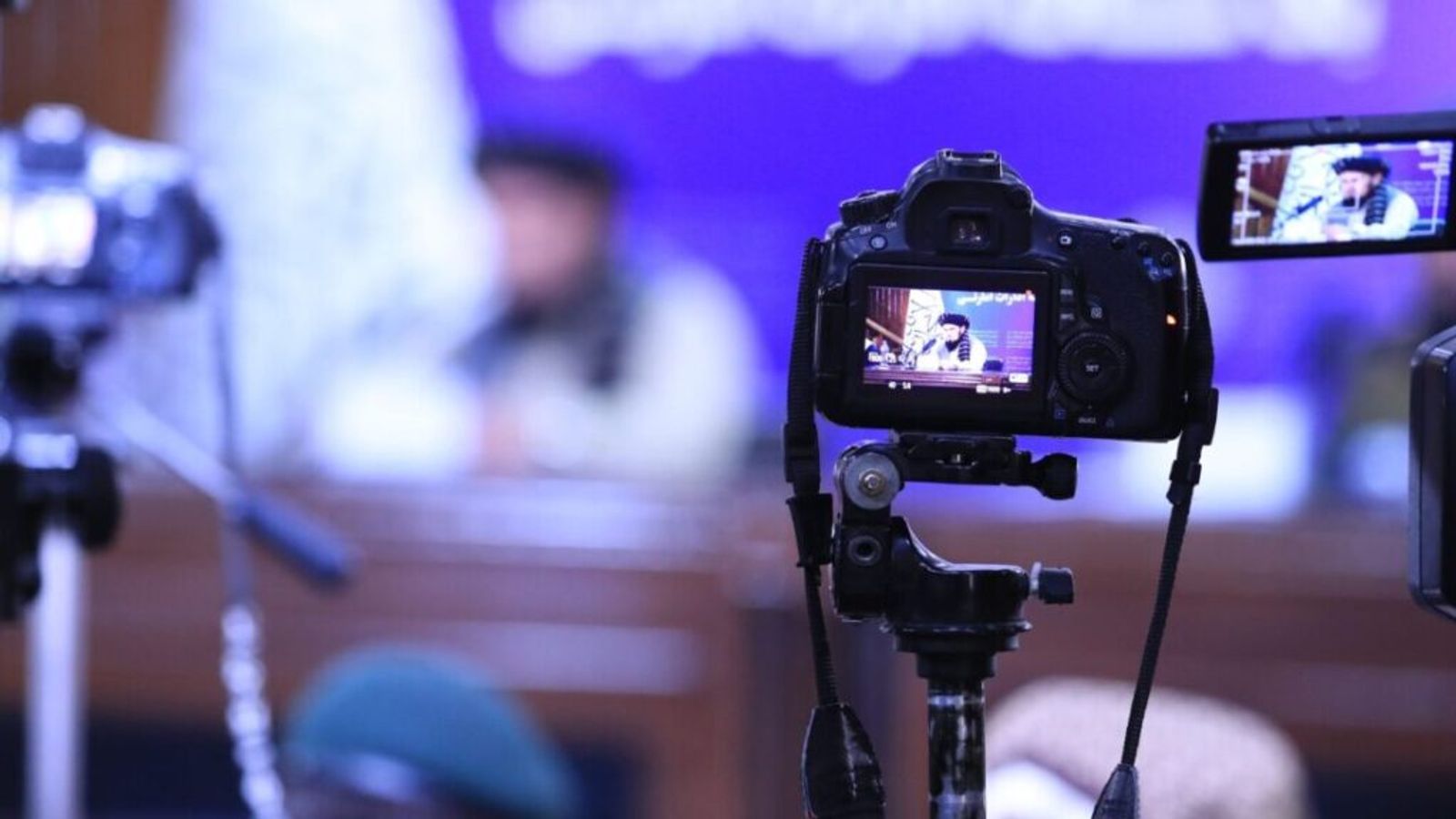
Taliban intelligence has warned media outlets via WhatsApp groups against publishing statistics on military casualties from Pakistani airstrikes, stating it would lead to "bad consequences." Sources told Amu TV that the notice also indicated Taliban intelligence is monitoring media along the border.
Following the airstrikes, Taliban authorities have reportedly increased pressure and censorship on domestic media, ordering outlets not to report on the locations, numbers or any details of Pakistani attacks on Taliban military sections. Several journalists inside Afghanistan verified these details to Amu TV but requested anonymity for their safety.
The journalists emphasized that Pakistani forces have struck both civilian areas, including innocent people, and Taliban military bases storing weapons from the previous government. They added that Taliban authorities instructed domestic media to refer to Pakistan as "Pakistan's military regime" in reports.
The airstrikes by Pakistani jets and drones, along with border clashes between Pakistani border guards and Taliban forces, have continued into their 20th day. Sources reported that Pakistani fighter jets bombed various parts of Kabul on Monday night (25 Hoot), including military centers and an ammunition depot of the Taliban Ministry of Defense in the Siah Sang area of District 8.
Read the original reporting at Amu TV →
Reliability assessment
Single source (Amu TV) relies on unnamed sources and anonymous journalists for attribution; core claims of Taliban warnings and specific Kabul airstrike lack independent corroboration or on-record named officials.
The source language mixes facts with framing or advocacy wording. Amu TV: "pressure and censorship" frames Taliban actions as suppressive control; "unprecedentedly" hyperbolic description heightens drama of Kabul bombing; "multiplied several times" adds emotional emphasis to escalation.
Across the newsrooms
Filed by
Amu TV
Originating
Framed
Framed
Filed under
Security — Taliban, Pakistan, airstrikes, Kabul, media censorship
Reader supported
Keep Ehtebar running
Every published story uses paid tools to translate reporting, compare sources, extract claims, and produce a clearer read on Afghanistan. Reader support helps keep that work independent.
€5
helps cover daily verification runs
€15
supports a week of source comparison
€50
keeps independent analysis moving
More in Security
Security Forces Arrest Three Theft Gangs in Herat, Recover 24 Vehicles
— Reliable
Taliban Arrest Seven Civilians in Yaftal District of Badakhshan
— Developing
More Than 30 Killed in Pakistan-Administered Kashmir Election Protests
— Reliable

ISKP Claims Killing of Taliban Information Director in Badakhshan
— Reliable